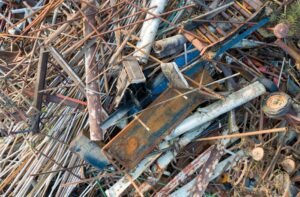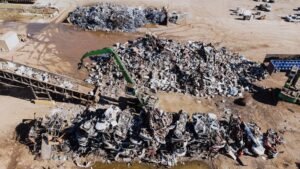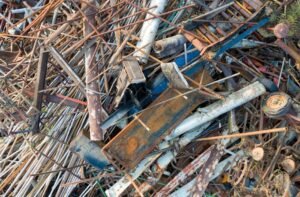

When searching for north sydney steel recyclers, it is essential to understand the complexities of the scrap metal industry. Whether you are a commercial contractor, a demolition expert, or a residential renovator, managing scrap steel effectively is not just about waste disposal; it is about maximizing the value of your materials while adhering to strict environmental standards. As an industrial hub, North Sydney generates significant volumes of scrap steel, including mild steel, structural beams, and sheet metal, all of which require specialized handling to ensure they are processed correctly.
Understanding the Steel Recycling Process
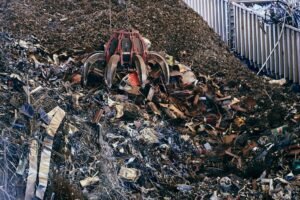
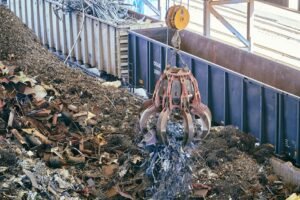
The journey of scrap metal from a demolition site to a new product is a sophisticated industrial process. When you engage with professional north sydney steel recyclers, the first step is the identification and sorting of materials. Steel is primarily categorized as a ferrous metal, meaning it contains iron and is magnetic. However, not all steel is created equal. The recycling facility must separate high-grade structural steel from lower-grade contaminated scrap.
Once the material arrives at the recycling centre, it undergoes a rigorous inspection. This is where the Steel Scrap Grading 1 Prepared 2 Prepared Shredded standards come into play. These grades determine the purity and physical dimensions of the scrap, which directly influences the processing method. For instance, prepared steel is cut to specific sizes to fit into furnaces, while shredded steel is processed through high-powered hammermills to remove non-metallic contaminants like plastics, rubber, or glass.
After sorting, the steel is compacted into dense bales or fed into electric arc furnaces. Melting down scrap steel requires significantly less energy than refining virgin iron ore. By recycling, we save roughly 75% of the energy needed for new production. This is the cornerstone of the circular economy in Australia, where scrap metal is transformed into new rebar, automotive parts, and high-tensile sheet metal.
Drop-off vs. Pickup Service: Which is Right for You?
Deciding between a drop-off at a local facility or scheduling a pickup service is a common dilemma for scrap generators. If you have a small amount of scrap steel, such as offcuts from a residential project or old appliances, a drop-off is usually the most cost-effective solution. Most facilities have dedicated scales where you can weigh your load and receive payment based on the current market rate.
Conversely, for large-scale demolition projects or industrial manufacturing sites, a professional Heavy Steel Scrap Buyer Sydney Melbourne Brisbane Perth is the superior choice. These services provide specialized skip bins and roll-on/roll-off trucks to handle massive volumes. When you book a pickup service, you are paying for the logistics, safety, and efficiency of removing heavy materials from your site without disrupting your workflow. This is particularly important when dealing with bulky items like industrial machinery or heavy structural steel beams.
It is vital to check the current steel price per tonne before scheduling your pickup. Market fluctuations are common, and timing your disposal can significantly impact your bottom line. Professional recyclers often provide live market updates to ensure transparency in pricing.
The Environmental Impact of Steel Recycling
The environmental case for using reputable north sydney steel recyclers is overwhelming. Steel is unique because it is 100% recyclable without any loss of quality. This means a piece of steel can be recycled infinitely, reducing the need for destructive open-pit mining of iron ore and coal. Every tonne of steel recycled prevents the emission of approximately 1.5 tonnes of CO2 into the atmosphere.
Furthermore, recycling steel helps divert massive amounts of waste from Australian landfills. In the past, industrial scrap was often dumped, leading to soil contamination and long-term environmental degradation. Modern recycling practices ensure that even the smallest traces of metal are recovered, cleaned, and repurposed. By choosing a certified scrap metal trading platform, you are ensuring that your waste is handled in compliance with the EPA’s strict environmental regulations, protecting local ecosystems in the North Sydney region.
Navigating Steel Scrap Grades and Pricing
To maximize your returns, you must understand how your scrap is valued. Steel is not a single commodity; it is a basket of grades. Mild steel is the most common form, often found in construction rebar and pipes. Because it is abundant, it is priced differently than specialized alloys. If you are dealing with higher-value metals, you should consult the Stainless Steel Scrap Price to ensure you are not selling high-value materials at low-grade carbon steel rates.
When you visit a steel recyclers north sydney facility, you will notice that they categorize scrap based on its chemical composition. Contamination is the enemy of value. If your scrap steel is mixed with non-ferrous materials like copper or aluminum, the recycler may downgrade the entire load. It is always best to keep your scrap sorted at the source. If you have significant quantities of stainless steel, you should specifically look for north sydney stainless steel recyclers to get the best market rate for those specific alloys.
Safety and Compliance in Scrap Handling
Scrap metal recycling is inherently dangerous. Dealing with heavy sheet metal, sharp edges, and industrial-sized machinery requires strict adherence to safety protocols. Professional recyclers in North Sydney are equipped with the necessary personal protective equipment (PPE), heavy-duty lifting gear, and safety training to handle hazardous materials, such as pressurized cylinders or sealed containers that might contain residual chemicals.
Compliance is another critical factor. As a business owner, you are legally responsible for the waste you produce. By working with a licensed recycler, you receive documentation confirming that your scrap has been processed legally and ethically. This is a crucial step for ISO 14001 certification and other environmental management systems. Never hand over your scrap to unlicensed, mobile collectors who cannot provide a verified weighbridge receipt or environmental compliance documentation.
The Future of Steel Recycling in Australia
The industry is currently undergoing a digital transformation. With the rise of online trading platforms, the process of selling scrap has become more efficient than ever. You can now track the market, find local buyers, and arrange logistics through integrated digital systems. This transparency is forcing the industry to move away from the ‘hidden’ pricing models of the past.
As Australia moves toward a net-zero future, the role of scrap metal will only grow in importance. The construction industry is increasingly demanding ‘green steel’—steel produced using recycled content rather than virgin materials. This shift is driving demand for high-quality scrap, making it a valuable asset for anyone involved in demolition or manufacturing. By understanding the market and maintaining high standards for your scrap, you are not just cleaning up your site; you are participating in a global movement toward sustainable manufacturing.
Practical Tips for Maximizing Scrap Value
1. Sort at the Source: Never mix ferrous and non-ferrous metals. Keep your steel separate from copper, brass, and aluminum to ensure you receive the highest price for each material.
2. Clean Your Scrap: Remove as much non-metallic debris as possible. Dirt, concrete, and plastic reduce the weight-to-value ratio and can lead to lower payouts.
3. Understand the Market: Keep an eye on global steel prices. If you have the storage capacity, you can hold onto your scrap during market dips and sell when the price per tonne recovers.
4. Build a Relationship with a Buyer: If you are a commercial contractor, find a reliable partner. Consistent volume often leads to better pricing and priority service during busy periods.
5. Use Certified Weighbridges: Always ensure your scrap is weighed on a certified, calibrated weighbridge. This is your only guarantee of accurate payment.
6. Prioritize Safety: Never attempt to cut or move heavy steel if you lack the proper equipment. The risk of injury far outweighs the potential profit from the scrap.
Conclusion
Managing scrap metal in North Sydney does not have to be a complex or frustrating process. By understanding the nuances of the recycling industry—from the grading of steel to the environmental benefits of the circular economy—you can transform your waste into a valuable revenue stream. Whether you are choosing between a simple drop-off or a comprehensive pickup service, the key is to work with reputable, licensed professionals who prioritize transparency and environmental stewardship. As the industry evolves, staying informed about market prices and recycling standards will ensure you are getting the best value for your materials while contributing to a cleaner, more sustainable future for Australia.
Frequently Asked Questions
What is the difference between ferrous and non-ferrous scrap?
Ferrous metals contain iron and are magnetic, such as mild steel and sheet metal. Non-ferrous metals, like copper, aluminum, and brass, do not contain iron and are typically more valuable due to their scarcity and specialized recycling properties.
How can I get the best steel price per tonne?
To get the best price, ensure your scrap is clean, well-sorted, and free of contaminants like concrete or plastic. Monitoring market trends and selling when demand is high will also help maximize your financial return.
Do I need a permit to dispose of large quantities of scrap steel?
While you generally do not need a permit for standard scrap disposal, commercial sites must ensure their waste is transported by licensed carriers. Always check that your chosen recycler follows local North Sydney environmental regulations.
What happens to the steel after I drop it off?
Once dropped off, the steel is weighed, sorted, and processed through shredders or shears. It is then melted down in furnaces to create raw steel billets, which are used to manufacture new steel products, completing the recycling loop.