
Understanding the dynamics of one steel scrap metal is essential for anyone involved in industrial manufacturing, demolition, or large-scale waste management in Australia. As the market for ferrous metal continues to fluctuate, identifying the value of your steel assets can significantly impact your bottom line. Whether you are dealing with heavy structural beams or light sheet metal, knowing how to categorize and process these materials is the first step toward efficient resource recovery.
The Evolution of One Steel Scrap Metal in Australia
In the Australian industrial landscape, the term ‘one steel’ is often synonymous with high-quality structural steel products. Historically, the brand one steel represented a significant portion of domestic steel production. Today, as these structures reach the end of their lifecycle, they enter the circular economy as high-value scrap. Ferrous metal recycling is not merely a disposal method; it is a vital industrial process that preserves natural resources and reduces the energy intensity of steel production.
When you look to Sell Scrap Metal Near Me In 2026, you are participating in a global commodity market. The steel price per tonne is influenced by iron ore costs, energy prices, and international demand for construction materials. By understanding the provenance of your scrap—specifically whether it originated from major mills—you can better estimate its quality and potential yield.
Understanding Grades: From Mild Steel to High-Tensile Alloys
Not all scrap steel is created equal. To maximize your return, you must understand the grading system used by recyclers. Mild steel is the most common form of scrap, characterized by its low carbon content and high ductility. It is widely used in construction and automotive manufacturing. When you bring your scrap to a scrap metal dealer guildford, they will assess the material based on its chemical composition and physical form.
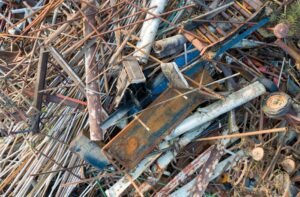
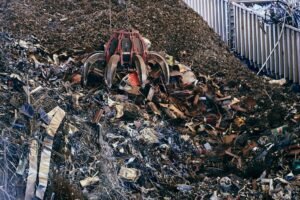
- Heavy Melting Steel (HMS): This includes thick, structural steel, such as I-beams, plate steel, and heavy machinery parts. This is the gold standard for scrap yards.
- Sheet Metal: Thinner, more lightweight steel, such as roofing, vehicle body panels, and appliance casings. While valuable, it often requires more processing before it can be melted.
- Turnings and Borings: Small curls of steel produced during machining processes. These are often treated differently due to their high surface-area-to-volume ratio.
- Stainless Steel: While technically a different category, it is often found alongside ferrous scrap. For specific pricing, check the current Stainless Steel Scrap Price to ensure you aren’t under-selling high-value alloys.
The classification of one steel scrap metal often falls into the HMS category, making it highly desirable for electric arc furnaces (EAFs). If you are looking for professional guidance on sorting your materials, visit Scrap Trade for industry-leading insights into metal valuation.
The Mechanics of Steel Recycling: How It Works
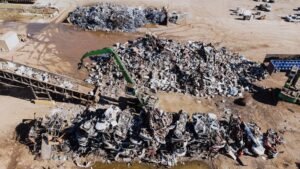
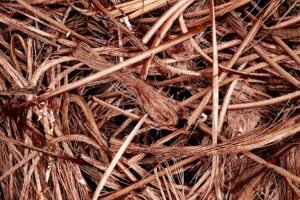
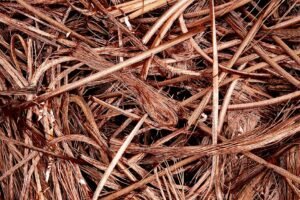
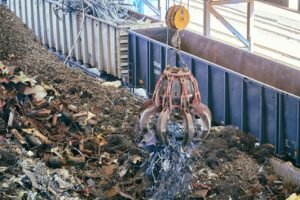
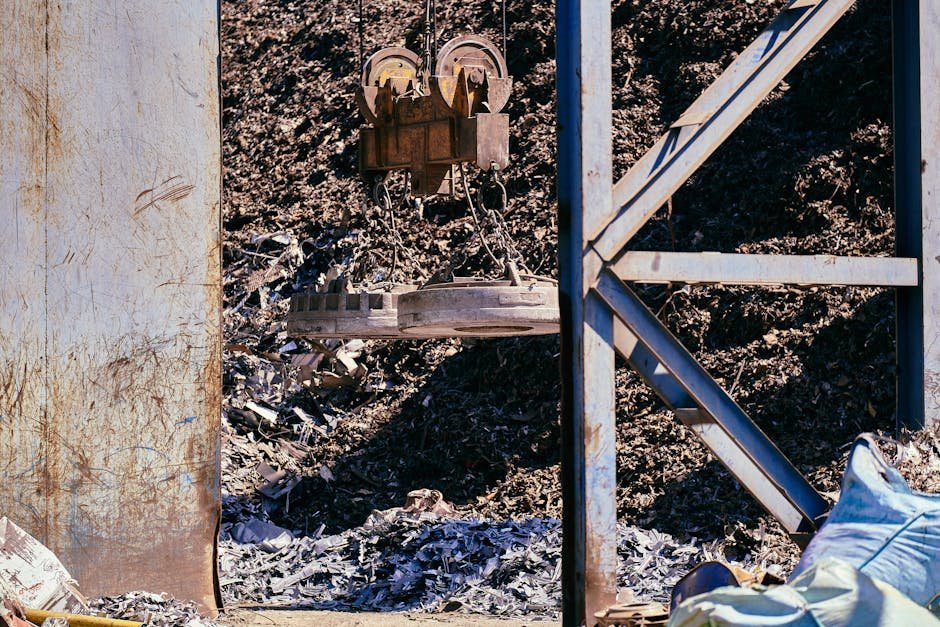
The recycling of steel is a highly efficient, closed-loop process. Unlike plastics, which often degrade in quality during recycling, steel can be recycled infinitely without losing its inherent properties. The process begins with collection and sorting. At a facility providing Scrap Metal Recycling Near Me, magnets are used to separate ferrous metals from non-ferrous materials like copper, aluminium, and brass.
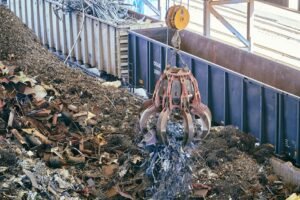
Once sorted, the steel is cleaned of contaminants such as paint, plastic, or rubber. This is critical because impurities can compromise the integrity of the new steel being produced. The material is then shredded or sheared into smaller, uniform pieces to facilitate melting. These pieces are fed into an electric arc furnace or a basic oxygen furnace. By using recycled scrap, manufacturers can reduce the energy required to produce new steel by up to 75% compared to refining raw iron ore.
Environmental Benefits and Sustainability
The environmental case for recycling one steel scrap metal is overwhelming. Steel production is traditionally one of the most carbon-intensive industries in the world. By utilizing scrap, the industry significantly lowers its carbon footprint. Every tonne of steel recycled saves over a tonne of iron ore, 600 kilograms of coal, and 50 kilograms of limestone.
Furthermore, recycling reduces the need for destructive open-cut mining. In Australia, where land management is a significant environmental concern, the circular economy approach to steel helps preserve biodiversity and water tables. For businesses, adopting a robust scrap management policy is not just a financial decision; it is a core component of ESG (Environmental, Social, and Governance) reporting.
Economic Factors: Tracking the Steel Price Per Tonne
The steel market is notoriously volatile. Factors such as global infrastructure spending, trade tariffs, and the availability of scrap supply all dictate the price. When you are looking to sell, it is important to understand that the price you receive is a reflection of the global spot price, minus the costs of logistics, processing, and refining.
For those looking for detailed market data, Scrap Trade Australia provides resources to help you stay informed about market trends. It is advisable to monitor these trends over several months rather than reacting to daily fluctuations. Large-scale industrial suppliers often enter into forward contracts to hedge against price volatility, ensuring a stable revenue stream for their scrap output.
Best Practices for Sorting and Preparation
To get the best price for your scrap, preparation is key. A disorganized pile of mixed metal will always fetch a lower price than sorted, clean material. Here are a few practical tips for maximizing your returns:
- Separate by Grade: Keep your mild steel separate from stainless steel and cast iron.
- Clean Your Scrap: Remove non-metallic attachments like rubber gaskets, wood, or heavy plastic components.
- Size Matters: If you have the equipment, cutting large structural pieces into manageable sizes can sometimes increase the grade classification.
- Safety First: Always wear appropriate PPE, including gloves and steel-toed boots, when handling heavy scrap.
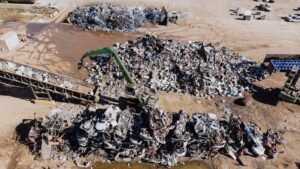
- Logistics: Consider the cost of transport. For large volumes, coordinate with a local yard to arrange a bin service or bulk pickup to minimize your overheads.
The Future of Steel Recycling in Australia
As we move toward 2026 and beyond, the steel recycling industry is poised for a technological revolution. Innovations in sensor-based sorting, such as X-ray fluorescence (XRF) and laser-induced breakdown spectroscopy (LIBS), are allowing recyclers to identify metal alloys with unprecedented accuracy. This means that even complex scrap mixtures can be sorted into high-purity streams, further increasing the value of the material.
Additionally, the shift toward ‘Green Steel’—produced using hydrogen instead of coking coal—will rely heavily on the availability of high-quality scrap. As Australia positions itself to be a leader in the green energy transition, the role of the scrap recycler will become increasingly central to the national industrial strategy.
Conclusion
Managing one steel scrap metal is an exercise in both resource management and financial strategy. By understanding the grades of steel, the logistics of recycling, and the factors that influence the steel price per tonne, you can turn industrial waste into a significant revenue stream. Whether you are a small contractor or a large industrial firm, the principles of proper sorting and responsible recycling remain the same. As you look to optimize your operations, remember that the most successful businesses are those that view scrap not as trash, but as a valuable raw material in the ongoing cycle of Australian manufacturing.
Frequently Asked Questions
What is the difference between mild steel and other steel grades?
Mild steel is a low-carbon steel that is highly malleable and widely used in construction. Other grades, such as stainless or tool steel, contain higher levels of chromium, nickel, or carbon, which change their physical properties and market value.
How can I get the best price for my scrap steel?
To maximize your return, ensure your scrap is clean, free of contaminants like plastic or rubber, and sorted by grade. Contact a reputable local dealer to discuss volume pricing and current market rates.
Why does the steel price per tonne fluctuate so much?
Steel prices are driven by global supply and demand, the cost of raw materials like iron ore and coal, and international logistics costs. Geopolitical events and infrastructure project cycles also play a major role in price volatility.
Is it better to sell scrap to a local dealer or a large recycler?
Local dealers are often more convenient for smaller quantities and provide immediate service. Large recyclers may offer better rates for consistent, high-volume, and pre-sorted industrial scrap loads.