
Online scrap metal trading has revolutionized Australia’s recycling industry by connecting buyers and sellers digitally. This guide explores scrap metal grades, recycling processes, and environmental benefits while offering practical tips for maximizing profits through platforms like scrap.trade. Whether you’re a seller or buyer, understanding these elements ensures informed decisions in a growing market.
Understanding Scrap Metal Grades: A Buyer’s and Seller’s Guide
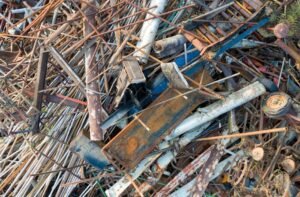
Scrap metal is categorized into grades based on material type, purity, and usability. Key classifications include:
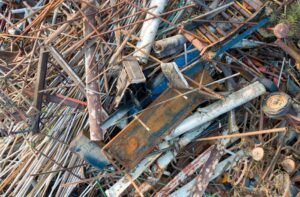
- Ferrous Metals: Iron-based materials like steel and iron. Common grades include construction scrap, shredded auto bodies, and industrial cuttings.
- Non-Ferrous Metals: Non-iron metals such as aluminium, copper, brass, and stainless steel. These have higher value due to their resistance to corrosion and conductivity.
- Alloys: Combinations of metals (e.g., nickel, titanium) used in specialized applications. Grading depends on composition and intended use.
- Shredded Scrap: Mixed materials processed for separation. Grades vary by size and contaminant levels.
Grading ensures fair pricing and efficient recycling. Platforms like Scrapuncle Your Go To Platform For Scrap Metal Trading provide detailed grading tools to help traders identify and value materials accurately.
How Recycling Works: From Collection to Repurposing
Recycling scrap metal involves four key stages:
- Collection: Scrap is gathered from industrial sites, demolition projects, or households via collection centers or mobile services.
- Sorting: Materials are separated by type using magnets for ferrous metals and eddy current separators for non-ferrous.
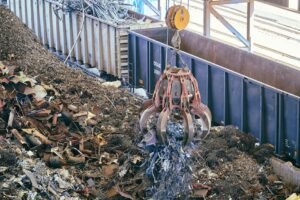
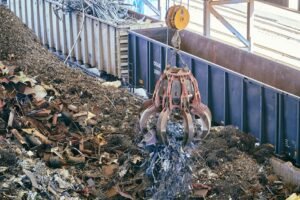
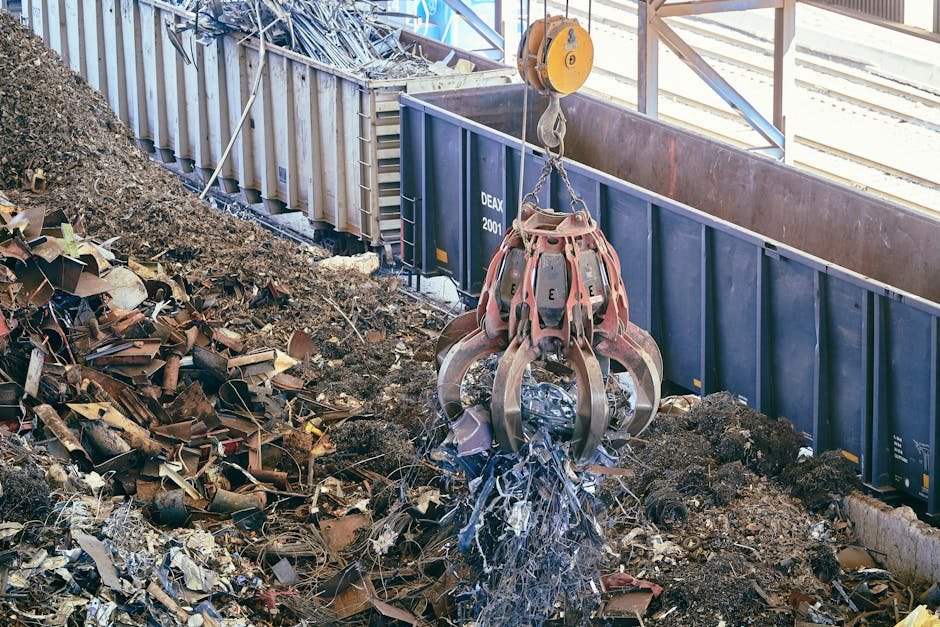
- Processing: Shredding, shearing, or compacting optimizes metal for melting. Contaminants like plastic or dirt are removed.
- Repurposing: Melted metal is cast into new products, reducing demand for raw materials.
Online platforms enhance efficiency by enabling buyers to bid on sorted, high-grade scrap. For example, scrap metal auctions let sellers access competitive bids, while buyers can source precisely what they need.
Environmental Benefits of Scrap Metal Recycling
Recycling scrap metal significantly reduces environmental impact:
- Resource Conservation: Recycling saves up to 95% of the energy required to mine and process new metal.
- Landfill Reduction: Diverting scrap from landfills minimizes toxic leachate and greenhouse gas emissions.
- Carbon Footprint: Steel recycling alone cuts CO2 emissions by 1.5 tons per ton of material reused.
Australian governments incentivize recycling through regulations like the National Waste Policy, which promotes circular economy goals. By engaging in online scrap metal trading, businesses contribute to these sustainability targets.
Practical Tips for Successful Online Scrap Metal Trading
Maximize your trading outcomes with these strategies:
- Use Verified Platforms: Choose platforms with transparent grading systems, like Scrapuncle Your Go To Platform For Scrap Metal Trading, to avoid disputes over material quality.
- Monitor Market Trends: Prices fluctuate with global demand. Track scrap trade online market reports to time sales optimally.
- Optimize Listings: Sellers should include clear photos, detailed weight metrics, and grading notes to attract buyers.
- Secure Transportation: Partner with local logistics providers for efficient delivery, especially for large consignments.
Why Online Scrap Metal Trading Is Outpacing Traditional Methods
Online scrap metal trading offers advantages that traditional markets cannot match:
- Accessibility: Buyers and sellers connect 24/7 from any location, expanding market reach.
- Transparency: Digital platforms provide real-time pricing data and historical trends.
- Speed: Transactions are processed faster with automated bidding and instant payment options.
As explained in Why Scrap Trade Online Is Growing, 68% of Australian recyclers increased profits after transitioning to online trading in 2023.
Choosing the Right Platform for Your Needs
When selecting an online scrap metal trading platform, consider these factors:
- Fee Structure: Compare transaction fees, listing costs, and hidden charges.
- User Base: Larger platforms like scrap.trade offer broader access to buyers/sellers.
- Customer Support: Reliable assistance is critical for resolving disputes or technical issues.
- Security: Ensure the platform uses encryption and verified payment gateways.
For sellers, Why Scrap Sellers Are Moving Online provides insights into maximizing visibility and sales through digital tools.
Conclusion: Embracing the Future of Scrap Metal Trading
Online scrap metal trading is reshaping Australia’s recycling industry by combining technology with sustainability. By understanding grades, mastering recycling processes, and leveraging digital platforms, traders can achieve profitability while supporting environmental goals. For seamless transactions, visit scrap.trade to explore auctions, connect with buyers, and stay updated on market trends.
FAQs
Related: Scrapuncle Your Go To Platform For Scrap Metal Trading
Frequently Asked Questions
What are the most valuable scrap metal grades?
Non-ferrous metals like copper, aluminium, and stainless steel are typically the most valuable due to their conductivity and corrosion resistance. Purity and form (e.g., wire vs. bulk) also affect pricing.
How does online trading improve recycling efficiency?
Online platforms streamline sorting by grade, enable real-time bidding, and reduce transportation costs through localized marketplaces, ensuring faster turnover and higher recycling rates.
Can I recycle mixed scrap metal online?
Yes. Many platforms accept mixed scraps but require proper separation or grading. Use scrap.trade for guidance on preparing mixed loads for online sales.
What environmental impact does scrap recycling have?
Recycling scrap metal reduces mining by 40% of global demand, saves 2.5 million tons of CO2 annually in Australia, and prevents hazardous waste from entering landfills.