
Understanding the nuances of outback fades is essential for stakeholders in the Australian recycling sector. As industrial operations expand into remote regions, the logistical challenge of managing scrap metal—often subject to extreme weathering—becomes a primary focus for sustainable resource recovery. Whether you are managing mining remnants or agricultural machinery, the degradation process known as outback fades demands a sophisticated approach to collection, sorting, and processing to maintain the high-grade value of the materials.
The Metallurgy of Corrosion in Remote Environments
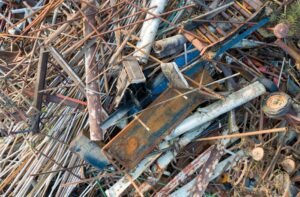
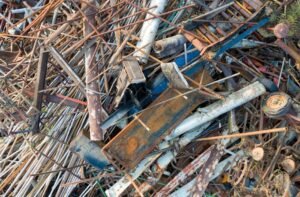
In the harsh, arid conditions of the Australian interior, metal surfaces are subjected to unique stressors. Unlike coastal environments where salt spray is the primary catalyst for oxidation, the outback presents a combination of high UV exposure, extreme thermal cycling, and abrasive dust storms. These conditions accelerate the surface degradation process often referred to as outback fades. When steel or non-ferrous metals are left exposed, the protective oxide layers can become unstable, leading to deep-pitting corrosion that compromises the structural integrity of the material.
For industrial recyclers, recognizing these stages of degradation is critical. Not all rusted metal is created equal. Surface oxidation might look severe, but the underlying core often remains high-quality steel suitable for arc furnace recycling. However, if the metal is allowed to reach a state of advanced outback fades, the loss of mass and the contamination from embedded silicates (dust) can significantly reduce the scrap value. This is why professional metal trading platforms like Scraptrade emphasize timely collection and proper storage protocols.
The industry has seen significant technological advancements in how we detect and mitigate these issues. For instance, the recent recognition of industry leaders highlights the importance of innovation in this sector, as seen when Scraptrade Recognises Sands Industries With The Australian Industrial Innovation Award 2025. Such advancements allow recyclers to process degraded materials more efficiently, turning what was once considered waste into valuable secondary raw materials.
Logistical Challenges of Outback Metal Recovery
Recovering scrap from remote locations is not merely a task of collection; it is a complex logistical operation. The sheer scale of the Australian outback means that transportation costs often outweigh the value of the scrap if not managed correctly. Operators must balance the weight of the load, the fuel consumption of heavy vehicles, and the environmental impact of traversing sensitive landscapes. This is where the integration of digital marketplaces becomes a game-changer.
By utilizing a professional Australian scrap metal trading platform, businesses can optimize their supply chains, ensuring that collection routes are mapped for maximum efficiency. This reduces the carbon footprint associated with the recovery process and ensures that materials are moved to processing facilities before they succumb to further weathering. The digital transformation of the industry is truly global, as evidenced by how the グローバル廃金属取引プラットフォームが正式サ has streamlined cross-border operations, and how the منصة تجارة الخردة العالمية تُطلق خدما has expanded access to international markets for Australian recyclers.
It is worth noting that the term outback fades is sometimes confused with niche local businesses, such as the outback fades barbershop, which serves as a cultural landmark in certain regions. However, in the industrial context, we are strictly discussing the lifecycle of ferrous and non-ferrous assets. Proper identification of these assets requires an understanding of alloy compositions and the specific environmental markers of the Australian interior.
Best Practices for Material Preservation
To prevent the premature degradation of industrial assets, site managers should implement a rigorous inventory management system. This involves:
- Categorization: Segregating metals by alloy type to prevent galvanic corrosion, which occurs when dissimilar metals are in contact in the presence of moisture.
- Elevation: Storing scrap on pallets or concrete pads to prevent contact with the soil, which acts as a reservoir for moisture and corrosive salts.
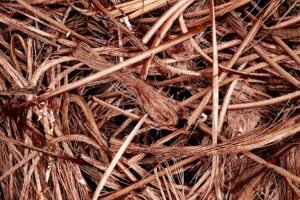
- Covering: Utilizing industrial-grade tarpaulins to shield high-value non-ferrous metals from direct UV radiation and dust accumulation.
- Regular Audits: Conducting quarterly site inspections to identify materials that are nearing the end of their viable lifespan and scheduling them for immediate collection.
By adhering to these practices, companies can ensure that their scrap metal retains its market value. The goal is to minimize the time that raw materials spend in the ‘fading’ stage, ensuring that they move from the site of origin to the melting pot with minimal loss of metallurgical quality.
Technological Integration in Modern Recycling
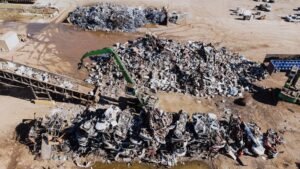
The future of metal recycling lies in data-driven decision-making. Modern scrap yards are no longer just piles of metal; they are sophisticated processing hubs equipped with X-ray fluorescence (XRF) analyzers that can identify metal grades in seconds. This technology is vital for dealing with outback-sourced materials, as it allows recyclers to strip away the surface oxidation and identify the true composition of the metal beneath.
Furthermore, the integration of blockchain and IoT in the supply chain ensures transparency from the moment of collection. When a truck departs from a remote mine site, the weight, grade, and origin are recorded digitally. This traceability is increasingly demanded by international buyers who require proof that their raw materials are sourced ethically and sustainably. Australian recyclers are at the forefront of this movement, setting global standards for transparency and efficiency.
The Economic Impact of Sustainable Salvage
The economic benefits of effective scrap management are twofold. First, it provides a secondary revenue stream for remote operations that might otherwise view scrap as a liability or a disposal cost. Second, it reduces the demand for virgin ore extraction, which is energy-intensive and environmentally disruptive. In the context of the circular economy, every tonne of metal recovered from the outback is a victory for sustainability.
As we look toward the future, the role of digital platforms will only grow. These platforms act as the connective tissue between the remote source and the industrial consumer, ensuring that supply meets demand in real-time. This efficiency is what allows the Australian recycling industry to remain competitive on the global stage, despite the geographical challenges posed by our vast interior.
Environmental Stewardship and Land Rehabilitation
Beyond the economic value, there is a profound environmental responsibility. Abandoned scrap sites can leach heavy metals into the soil and groundwater, causing long-term ecological damage. Professional recovery operations are essential for land rehabilitation. By clearing these sites, companies not only recover valuable assets but also restore the natural landscape, preventing the spread of contaminants. This is a critical component of the ‘social license to operate’ for any major industrial player in Australia.
Recycling is the ultimate form of environmental stewardship. By closing the loop on metal usage, we preserve our natural resources for future generations. The industry’s commitment to this goal is reflected in the rigorous safety and environmental standards maintained by leading Australian scrap metal companies, ensuring that every operation is conducted with the utmost care for the surrounding ecosystem.
Future Trends in Metal Recovery
Looking ahead, we anticipate a shift toward automated sorting technologies and AI-driven logistics. These innovations will further reduce the costs of recovery and improve the purity of recycled products. As global demand for metals continues to rise, the ability to effectively manage and recover scrap from even the most remote locations will become a strategic priority for nations worldwide. Australia, with its vast resources and innovative recycling sector, is perfectly positioned to lead this charge.
The collaboration between technology providers and traditional scrap yards is creating a new ecosystem where information flows as freely as the materials themselves. This transparency is the key to overcoming the challenges of the past and building a more sustainable future for the metal industry.
Conclusion
Mastering the recovery of materials in the face of outback fades is a testament to the resilience and ingenuity of the Australian industrial sector. By combining traditional metal knowledge with cutting-edge digital platforms, we can ensure that our scrap metal assets are managed with precision, value, and environmental responsibility. As we continue to innovate, the focus must remain on sustainability, efficiency, and the seamless integration of technology into every aspect of the recycling lifecycle.
Related: Scraptrade Recognises Sands Industries With The Australian Industrial Innovation Award 2025
Related: グローバル廃金属取引プラットフォームが正式サ
Related: منصة تجارة الخردة العالمية تُطلق خدما
Frequently Asked Questions
What causes outback fades in scrap metal?
Outback fades is caused by the combination of extreme UV exposure, high thermal cycling, and abrasive dust storms in the Australian interior. These factors accelerate surface oxidation and pitting, which can degrade the quality of exposed scrap metal.
How can I prevent scrap metal from degrading?
To prevent degradation, store scrap on elevated platforms to avoid soil contact, cover non-ferrous materials to protect them from UV rays, and maintain a regular collection schedule to minimize the time materials spend exposed to the elements.
Why is it important to use a digital trading platform for scrap?
Digital platforms optimize supply chain logistics, ensure transparency in pricing and grading, and provide access to broader markets. This efficiency is crucial for managing the high costs associated with remote metal recovery.
Does surface rust affect the value of all scrap metal?
While surface rust is often acceptable for ferrous metals, deep-pitting or heavy contamination can reduce the value. High-grade alloys are more sensitive to environmental exposure, making timely recovery essential for maintaining their market price.