
The price of scrap alloy wheels is a dynamic factor influenced by global metal markets, local supply, and recycling efficiency. Whether you’re selling alloy wheel scrap from a car dismantling business or personal vehicle disposal, understanding these factors ensures you get the best return. This guide breaks down current market values, pricing mechanisms, recycling processes, and how to leverage industry resources like the Scrap Price Forecast Guide to stay ahead.
Current Market Value for Alloy Wheel Scrap
In 2026, the price of scrap alloy wheels in Australia typically falls between $2.50 and $4.50 per kilogram for clean, high-grade alloy wheels. Prices for lower-grade or contaminated alloy wheel scrap may be 20-30% lower. For comparison, stainless steel scrap prices hover around $1.50-$2.00 per kg, while ferrous metals like steel rarely exceed $0.50/kg. This disparity highlights the premium value of alloy wheel scrapping due to their high aluminium and magnesium content.
How Scrap Alloy Wheel Prices Are Set
The price of scrap alloy wheels is determined through a combination of global and local market forces. Key influencers include:
- Global aluminium prices: Alloy wheels contain up to 95% recyclable aluminium, making them sensitive to LME (London Metal Exchange) aluminium benchmarks.
- Supply and demand imbalances: Auto industry fluctuations impact both supply (from vehicle dismantling) and demand (for remelted alloy).
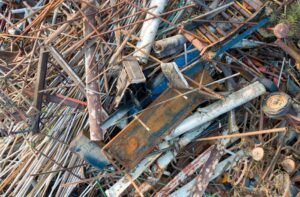
- Contamination levels: Wheels mixed with steel or paint residues fetch lower prices than clean, pre-sorted batches.
- Regional logistics: Transport costs to processing facilities affect final payout rates.
Factors Affecting Alloy Wheel Scrap Value
1. Alloy Grade and Composition
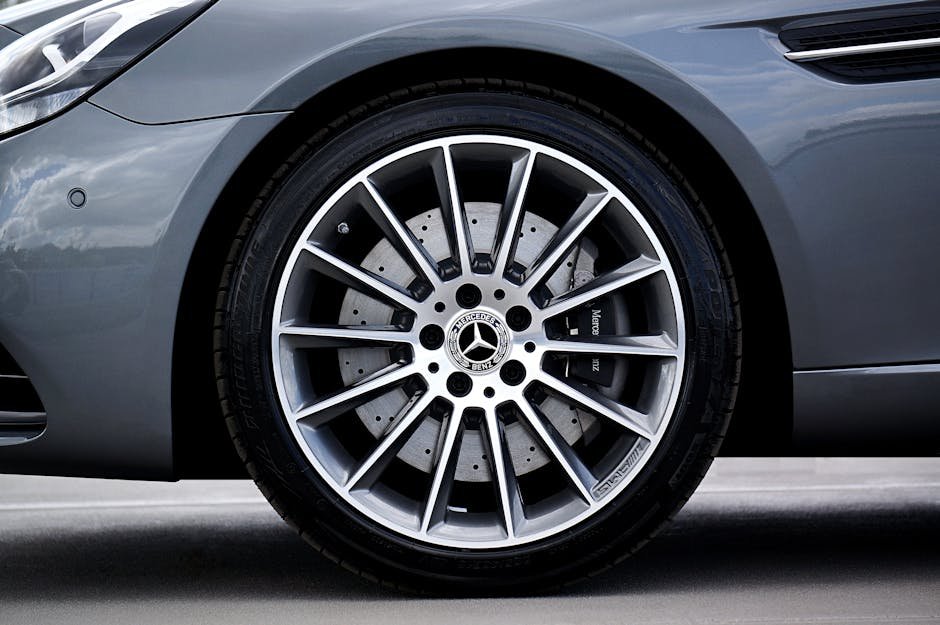
Alloy wheels are typically 92-97% aluminium with added magnesium and silicon. High-purity alloy wheels (e.g., 97% Al) command prices up to $4.50/kg, while lower-grade wheels with more embedded contaminants sell for closer to $2.50/kg. Use the scrap price alloy wheels tool to check real-time local values.
2. Wheel Condition
Cracked, damaged, or paint-coated wheels reduce value by 15-30%. For maximum returns, remove brake discs, clean surfaces, and separate alloy wheels from steel rims. Mag wheels and car rims with chrome finishes may require additional decontamination steps.
3. Market Trends
Seasonal demand spikes occur during vehicle scrappage seasons (March-July in Australia). Export markets, particularly in Asia, also drive price volatility. For long-term planning, consult the Scrap Price Forecast Guide to anticipate market shifts.
Grades of Alloy Wheel Scrap
1. High-Grade Alloy Wheels
These include undamaged alloy wheels with minimal contamination. Ideal for direct remelting, they fetch premium prices and are often sourced from commercial alloy wheels scrap price buyers.
2. Mid-Grade Alloy Wheels
Moderately damaged wheels with minor paint or dirt. Require basic cleaning before processing. Prices reflect 10-20% discounts compared to high-grade material.
3. Low-Grade Alloy Wheels
Severely damaged wheels mixed with non-metallic debris. These often require costly separation processes and yield the lowest per-kg returns.
The Alloy Wheel Recycling Process
Recycling alloy rim scrap involves several stages:
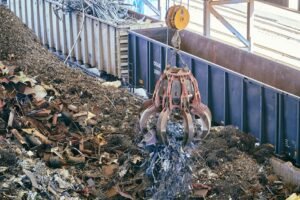
- Collection: Used alloy wheels are gathered from scrapyards, workshops, or individual sellers.
- Sorting: Wheels are sorted by material type (alloy vs. steel) using XRF (X-ray fluorescence) scanners.
- Cleaning: Paint, rubber, and contaminants are removed via thermal or chemical stripping.
- Shredding/Smelting: Cleaned alloy is melted and cast into ingots for reuse in automotive manufacturing.
Environmental Benefits of Alloy Wheel Recycling
1. Energy Savings
Recycling alloy wheels uses 95% less energy than producing new aluminium. This reduces greenhouse gas emissions by up to 80% per tonne of recycled material.
2. Landfill Diversion
Each tonne of alloy wheels recycled prevents approximately 2.5 tonnes of CO₂ emissions compared to landfill disposal. Australia’s Scrap Trade network helps divert over 100,000 tonnes of alloy wheel scrap annually from landfills.
3. Resource Conservation
Recycling preserves finite bauxite reserves. A single alloy wheel can be recycled indefinitely without quality loss, making it a circular economy cornerstone.
Practical Tips for Maximizing Alloy Wheel Value
- Use the How To Price Scrap For Export Markets guide to target international buyers offering premium rates.
- Compare current scrap prices on platforms like ScrapTrade Australia for real-time local bids.
- Pre-clean alloy wheels using a pressure washer and degreaser to qualify for high-grade pricing.
- Bundle large quantities for volume discounts, especially when selling to institutional buyers.
Conclusion
Understanding the price of scrap alloy wheels requires monitoring global metal markets, local supply dynamics, and recycling efficiency. By leveraging tools like the Scrap Price Forecast Guide and optimizing your scrap preparation, you can maximize returns while contributing to environmental sustainability. Whether you’re a trader, mechanic, or individual seller, staying informed ensures you capture the full value of alloy wheel recycling in Australia’s competitive scrap market.
FAQs
What’s the highest price paid for clean alloy wheels?
High-grade alloy wheels with 97% purity often sell for $4.50 per kg in premium markets, but this varies with LME aluminium prices and buyer demand.
How do I check real-time alloy wheel scrap prices?
Use the alloy wheels scrap price tool to access live data from across Australia’s scrap metal trading network.
Are damaged alloy wheels worth recycling?
Yes, but severely damaged wheels require sorting and may fetch 30% less than undamaged units. Always ask your recycler about their contamination policies.
What environmental impact does alloy wheel recycling have?
Recycling reduces CO₂ emissions by 80% per tonne compared to primary aluminium production and saves 95% of the energy required for new material manufacturing.
Related: Stainless Steel Scrap Price
Frequently Asked Questions
What’s the highest price paid for clean alloy wheels?
High-grade alloy wheels with 97% purity often sell for $4.50 per kg in premium markets, but this varies with LME aluminium prices and buyer demand.
How do I check real-time alloy wheel scrap prices?
Use the alloy wheels scrap price tool to access live data from across Australia’s scrap metal trading network.
Are damaged alloy wheels worth recycling?
Yes, but severely damaged wheels require sorting and may fetch 30% less than undamaged units. Always ask your recycler about their contamination policies.
What environmental impact does alloy wheel recycling have?
Recycling reduces CO₂ emissions by 80% per tonne compared to primary aluminium production and saves 95% of the energy required for new material manufacturing.