
The price of scrap metal today is a critical metric for Australian businesses and individuals in the recycling industry. With global demand for raw materials on the rise and environmental regulations tightening, understanding the current market value per kg and the mechanisms behind pricing is essential for maximizing returns. In 2026, the Australian scrap metal market continues to evolve, influenced by international trade policies, technological advancements in recycling, and the push for sustainable practices. This guide will break down the price of scrap metal today across different grades, explain how pricing is determined, and highlight the environmental and economic benefits of recycling.
Current Market Value: Price Per KG and Price Per Tonne
In 2026, the price of scrap metal today varies significantly depending on the type of metal, purity, and regional demand. The following are approximate market rates per kg for common scrap metals in Australia:
- Steel: $0.20–$0.40/kg
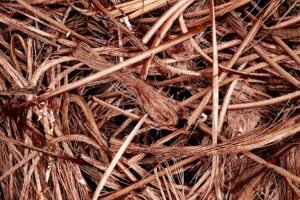
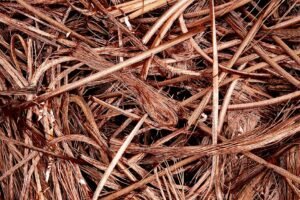
- Copper: $10–$15/kg
- Aluminium: $3–$5/kg
- Stainless Steel: $4–$7/kg
- Brass: $6–$9/kg
These values translate to price per tonne ranges of $200–$400 for steel, $10,000–$15,000 for copper, and up to $15,000 for high-grade alloys. Prices are often tied to the current price of scrap metal as reported by global indices and Australian industry benchmarks.
How Are Scrap Metal Prices Set?
Scrap metal pricing is influenced by a combination of global and local factors. The price per kg is not arbitrary but determined through a dynamic interplay of:
- Global Raw Material Demand: Industries like construction, automotive, and electronics drive demand for metals, affecting recycling rates.
- Exchange Rates: The Australian dollar’s strength against the US dollar impacts import/export costs for metals.
- Economic Policies: Government incentives for recycling or carbon reduction initiatives can indirectly boost scrap prices.
- Recycling Technology: Advances in sorting and refining scrap metal improve recovery rates, increasing the value of lower-grade materials.
For example, the Stainless Steel Scrap Price in 2026 reflects both domestic manufacturing needs and the global green steel transition, which prioritizes recycled inputs.
Key Factors Affecting Scrap Metal Costs
Several variables cause the price of scrap metal today to fluctuate daily. Understanding these will help buyers and sellers make informed decisions:
1. Metal Grades and Purity
Not all scrap metal is equal. Grades like ferrous (iron-containing) and non-ferrous metals have different values. For instance, Grade A copper (99% pure) commands a higher price per kg than mixed copper with impurities.
2. Supply Chain Disruptions
Events like shipping delays, port closures, or mining strikes can create shortages or surpluses of raw materials, directly impacting scrap price forecasts.
3. Environmental Regulations
Stricter emissions rules for smelters may increase processing costs, which are often passed on to recyclers through higher scrap metal prices.
4. Seasonal Demand
Construction activity peaks in the Northern Hemisphere during March–September, creating seasonal demand for steel and copper that affects scrap price of metal in Australia during those months.
Grades of Scrap Metal and Their Value
Scrap metal is categorized into grades based on composition, form, and reusability. Here’s a breakdown of common grades and their 2026 market values:
- Shredded Steel: $0.15–$0.25/kg – Includes automotive and industrial shreddings.
- Heavy Melting Steel (HMS): $0.30–$0.40/kg – Clean, high-quality steel from construction or manufacturing.
- Non-Ferrous Metals: $2–$15/kg – Aluminum, copper, and brass vary widely by purity.
- Cast Iron: $0.10–$0.20/kg – Used in machinery and casting applications.
Buyers should always request a grading certificate when selling large quantities to ensure accurate price per tonne calculations.
How the Recycling Process Works
Recycling scrap metal involves several stages that determine the final market rate for recyclers:
- Collection: Individuals or businesses collect scrap, which is then sorted manually or via automated systems.
- Processing: Metals are shredded, baled, or melted depending on their grade and end-use requirements.
- Refining: Impurities are removed through chemical processes to create reusable metals.
- Reintegration: Recycled metals are sold to manufacturers for use in new products.
Platforms like scrap.trade streamline this process by connecting sellers with certified buyers who pay competitive rates based on current scrap prices.
Environmental Benefits of Metal Recycling
Recycling scrap metal reduces the need for mining, which accounts for 10% of global greenhouse gas emissions. Key benefits include:
- Energy Savings: Recycling aluminum uses 95% less energy than producing new aluminum from bauxite ore.
- Landfill Reduction: 1 tonne of recycled steel saves 2,500 pounds of iron ore and 600 pounds of coal.
- Carbon Footprint: The steel industry could cut emissions by 1.8 gigatons annually by 2030 through increased recycling.
Australian industries are particularly focused on scrap trade sustainability, with government targets aiming to achieve 80% recycling rates for ferrous metals by 2030.
Practical Tips for Maximizing Scrap Metal Value
Average Australians can increase their earnings from scrap metal by following these strategies:
- Identify High-Value Metals: Copper wiring, brass fixtures, and stainless steel from appliances often yield the best returns.
- Separate Ferrous and Non-Ferrous Metals: Mixed loads fetch lower price per kg due to sorting costs.
- Use Online Tools: Check current price of scrap metal in your region before selling.
- Sell in Bulk: Larger quantities typically earn better price per tonne as buyers offer volume discounts.
Platforms like scrap.trade provide real-time pricing data and logistics support to help sellers optimize their returns.
Conclusion: Staying Ahead in the Scrap Metal Market
The price of scrap metal today is more than a number—it’s a reflection of global economic health and environmental priorities. By understanding how market rates are determined, what factors drive fluctuations, and how to leverage technology for better returns, Australian recyclers can thrive in this competitive sector. Whether you’re a business owner, DIY enthusiast, or waste management professional, staying informed about the price of scrap metal today will help you make smarter decisions and contribute to a more sustainable future.
Related: Sell Scrap Metal Near Me In 2026
Frequently Asked Questions
What factors determine the price of scrap metal today?
The price of scrap metal today is influenced by global demand for raw materials, exchange rates, economic policies, recycling technology, and seasonal fluctuations in industries like construction and electronics.
How can I check current scrap metal prices in Australia?
Refer to real-time market indices, industry reports, or platforms like scrap.trade for the latest price per kg and price per tonne of scrap metals.
Which scrap metal grades offer the best returns?
Non-ferrous metals like copper, aluminum, and stainless steel typically offer the highest price per kg due to their purity and demand in manufacturing.
Why does the price of scrap metal fluctuate so much?
Prices fluctuate due to supply chain disruptions, changes in global economic conditions, advancements in recycling technology, and regulatory shifts affecting mining and manufacturing.