
When searching for reliable scrap metal recycling alexandria solutions, it is essential to understand the complex lifecycle of metals and how local facilities manage these valuable commodities. Whether you are a construction contractor, a demolition expert, or a residential homeowner clearing out a garage, the process of recycling metal is a cornerstone of Australia’s circular economy. By choosing a reputable facility, you ensure that your materials are handled according to strict industry standards, maximizing recovery rates and minimizing landfill waste.
Understanding the Lifecycle of Scrap Metal Recycling
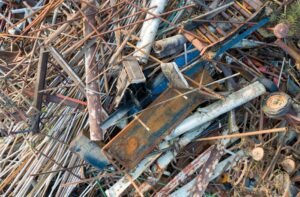
The journey from a discarded piece of copper piping or a rusted steel beam to a high-purity industrial ingot is a marvel of modern engineering. In the context of scrap metal recycling alexandria, the process begins with the identification and segregation of materials. Metals are broadly categorized into two main groups: ferrous and non-ferrous. Ferrous metals, such as iron and steel, contain carbon and are magnetic, making them relatively easy to sort using large electromagnets. Non-ferrous metals, including aluminum, copper, lead, zinc, and brass, are more valuable due to their superior corrosion resistance and conductivity.
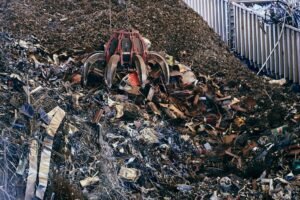
Once collected, these metals undergo a rigorous cleaning and shearing process. Industrial shredders reduce bulky items into smaller, manageable fragments, which are then passed through density separators and eddy current separators to isolate specific metal types. This level of precision is why professional facilities are vital. If you are looking for local services, you might find it helpful to look into Scrap Metal Recycling Near Me to identify the closest drop-off points. Furthermore, for those operating in different regions, we offer specialized guides for scrap metal recycling girraween and scrap metal recycling penrith to ensure you receive consistent service across the Sydney metropolitan area.
Grades of Scrap Metal: A Comprehensive Breakdown
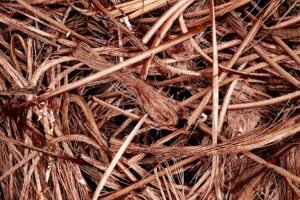
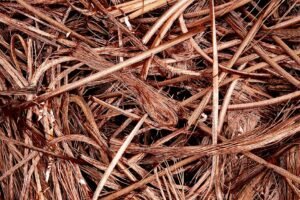
To maximize the value of your scrap, you must understand how experts grade materials. The price of scrap is determined by purity, weight, and market demand. For instance, ‘Clean Copper’ is significantly more valuable than ‘Insulated Copper Wire’ because it requires less processing. Similarly, in the steel industry, ‘Heavy Melting Steel’ (HMS) is graded based on its thickness and size, with specific requirements for length to fit into furnace charging equipment.
When you decide to Sell Scrap Metal Near Me In 2026, you should be prepared to sort your materials before arrival. Mixing high-grade copper with low-grade steel will downgrade the entire load to the price of the lesser metal. By keeping your aluminum cans separate from your copper wiring, you ensure that you are paid the market-leading rate for each specific grade. This attention to detail is what separates a casual recycler from a professional trader. Understanding the nuance between Scrap Trading Vs Recycling Business models can also help you determine whether you are simply disposing of waste or actively participating in the commodity market.
The Environmental Imperative of Recycling
The environmental case for scrap metal recycling alexandria is overwhelming. Mining virgin ore is an energy-intensive process that involves massive land disruption, habitat destruction, and significant greenhouse gas emissions. In contrast, recycling aluminum saves approximately 95% of the energy required to produce the same amount from bauxite ore. For steel, the energy savings are roughly 75%. By recycling, we reduce the need for open-cut mining and decrease the amount of waste sent to landfills, which are often sources of heavy metal leaching into local groundwater.
As Australia moves toward a more sustainable future, the demand for recycled metal is skyrocketing. Industries such as automotive manufacturing, construction, and electronics are increasingly relying on ‘green’ metal to meet their sustainability targets. When you choose to recycle, you are not just clearing space—you are contributing to a global supply chain that values resource efficiency. For more information on how to optimize your recycling habits, visit our scrap metal trading platform to stay updated on market trends and best practices. We also recommend checking our resources at our main Australian scrap portal for industry-wide insights.
Logistics and Processing Techniques
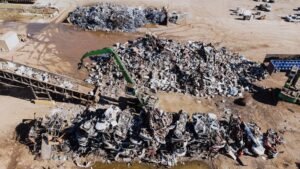
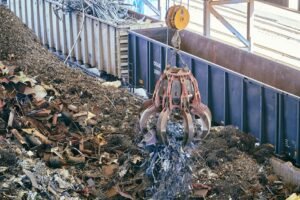
Effective recycling requires sophisticated logistics. In a hub like Alexandria, where space is at a premium, the ability to efficiently move and process large volumes of metal is paramount. Facilities here utilize hydraulic balers to compress scrap into dense cubes, making transport to smelters more cost-effective. This logistical efficiency is a key component of the pricing structure; the lower the transport cost, the higher the return to the seller.
Processing also involves the removal of contaminants. Plastics, rubber, and glass attached to metal components must be stripped away. Advanced facilities use thermal stripping or mechanical granulators to ensure that the final product is as pure as possible. This ‘purity’ is the gold standard in the scrap industry. If you have large-scale demolition waste, consider consulting with a professional recycler about on-site bin services. Having a dedicated skip bin allows you to sort your scrap at the source, preventing cross-contamination and saving you time during the drop-off phase.
Safety Protocols in the Scrap Yard
Working with scrap metal is inherently dangerous. Sharp edges, heavy machinery, and unstable piles of material present significant risks. A professional recycling facility will have strict safety protocols in place, including mandatory PPE (Personal Protective Equipment) for all visitors, such as steel-capped boots, high-visibility vests, and hard hats. When you visit a yard, always follow the site manager’s instructions and stay within designated walkways.
Furthermore, there are strict regulations regarding what can be recycled. Radioactive materials, sealed containers that may contain pressurized gases, and hazardous waste like asbestos are strictly prohibited. Attempting to sell these items can lead to severe fines and legal consequences. Always ensure that any equipment you bring for recycling has been properly decommissioned and cleared of hazardous materials. If you are unsure about a specific item, it is always better to ask the facility staff before attempting to unload it.
Maximizing Your Returns: Tips for Sellers
If you want to get the most out of your scrap, preparation is key. Here are some actionable tips for anyone looking to enter the market:
- Sort by Metal Type: Always separate ferrous from non-ferrous metals.
- Clean Your Scrap: Remove non-metal attachments like plastic handles or rubber insulation.
- Monitor Market Prices: Scrap prices fluctuate daily based on the London Metal Exchange (LME).
- Build a Relationship: If you are a regular supplier, talk to the yard manager about volume-based pricing.
- Use Proper Transport: Ensure your vehicle is rated for the weight you are carrying; overloaded trailers are a safety hazard.
By following these simple steps, you can significantly increase the value of your scrap. For instance, stripping the plastic casing off copper wire can double or triple the price you receive per kilogram. While it requires a bit of extra effort, the financial reward is usually well worth the time invested.
The Future of Metal Recycling in Australia
The future of the industry is bright, with new technologies such as automated AI sorting systems coming online. These systems can identify metal alloys in milliseconds, allowing for unprecedented levels of purity. As we continue to refine these processes, the ‘scrap’ of today becomes the ‘resource’ of tomorrow. The integration of digital platforms into the recycling space is also making it easier for sellers to track their sales, view historical data, and even lock in prices for future deliveries.
By participating in the recycling economy, you are helping to build a more resilient Australia. Whether you are a small business owner or a private individual, every kilogram of metal kept out of the landfill counts. We encourage you to engage with the community, share your knowledge, and continue to support local recycling initiatives that prioritize sustainability and ethical business practices.
Conclusion
Recycling is more than just a disposal method; it is a vital industrial process that sustains our modern lifestyle. By understanding the grades, processes, and benefits associated with metal recovery, you can make informed decisions that benefit both your wallet and the planet. Whether you are in Alexandria or elsewhere in Australia, the principles of effective recycling remain the same: sort, clean, and partner with a professional facility. We hope this guide has provided you with the depth and authority needed to navigate the scrap metal industry with confidence.
Frequently Asked Questions
What is the difference between ferrous and non-ferrous metals?
Ferrous metals contain iron and are magnetic, such as steel and iron. Non-ferrous metals do not contain iron, are non-magnetic, and include materials like copper, aluminum, and brass, which are generally more valuable.
How can I get the best price for my scrap metal?
To maximize your return, always sort your metals by type and grade before bringing them to the yard. Removing non-metallic contaminants like plastic or rubber will also help you secure a higher price.
Why is scrap metal recycling important for the environment?
Recycling metal drastically reduces the need for energy-intensive mining of virgin ores. It saves significant amounts of electricity and lowers greenhouse gas emissions compared to primary metal production.
Are there items I cannot bring to a scrap metal recycling facility?
Yes, you cannot recycle hazardous waste, radioactive materials, or sealed containers that may contain pressurized gases or chemicals. Always consult the facility if you are unsure about a specific item.