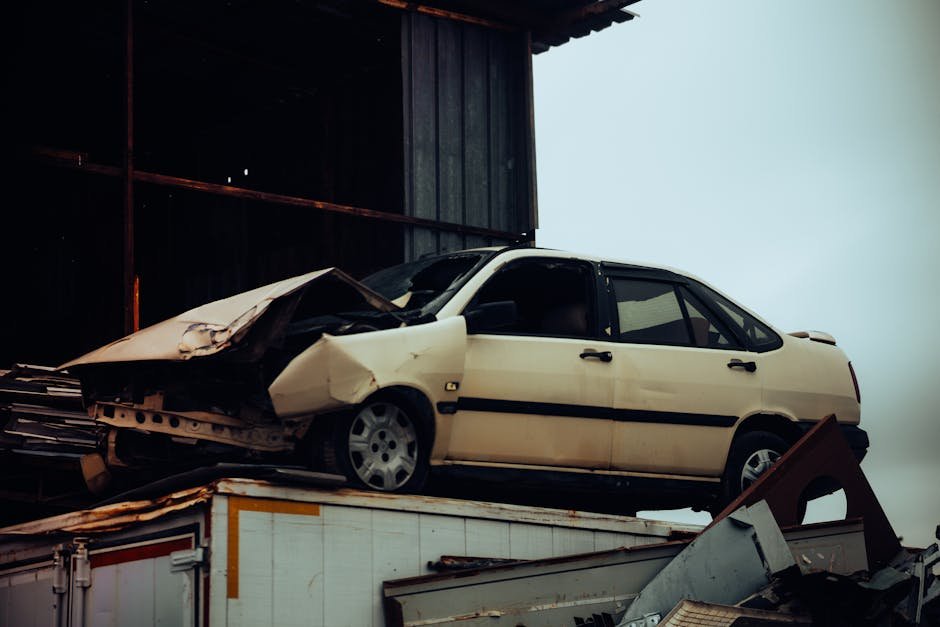

When you require reliable scrap car removal Denham Court, you are engaging in a sophisticated circular economy process that transforms dormant assets into essential industrial raw materials. As vehicle density increases in the Macarthur region, the demand for efficient, environmentally compliant disposal systems has never been higher. This comprehensive guide serves as your authoritative resource for navigating the complexities of the scrap metal industry, ensuring you understand exactly how to extract the maximum financial value from your vehicle while adhering to local environmental standards.
Understanding the value of your vehicle begins with recognizing that a car is not merely a single object, but a collection of high-value commodities. Whether you are dealing with a rusted shell or a mechanical write-off, professional Professional Scrap Car Removal Liverpool: The Complete Guide services can help you navigate the local market, which is closely linked to the broader Sydney scrap metal ecosystem. For those looking to manage other metal waste alongside their vehicle, understanding the broader process is essential; you can learn more in our guide on Scrap Metal Removal How To Dispose Sell And Maximize Value.
The Hierarchy of Scrap Car Grades and Component Value
To maximize your return during scrap car removal Denham Court, you must understand how professional recyclers grade vehicle components. The industry does not pay a flat rate for a car; rather, it pays based on the aggregate value of the materials contained within. The most valuable components are often the catalytic converters, which contain precious metals like platinum, palladium, and rhodium. These are separated immediately to avoid cross-contamination with ferrous metals.
Next in the hierarchy are the Car Wheel Scrap Price Aluminum Steel Wheels 2026 Guide, which represent a significant portion of the non-ferrous value. Aluminum rims command a significantly higher price than standard steel wheels. When preparing your vehicle, ensuring these components are intact can drastically shift the final valuation. Furthermore, the engine block and transmission are high-density ferrous components that provide the baseline weight for the scrap transaction.
The electrical wiring harnesses, often overlooked by laypeople, are rich in copper. In a modern vehicle, the sheer length of copper wiring can add significant value to the total payout. Professional wreckers utilize specialized stripping equipment to isolate this copper from the plastic insulation. Similarly, the Buy Car Battery Scrap Lead Acid Battery Recycling 2026 Guide highlights the critical importance of lead-acid battery recovery. These batteries are classified as hazardous waste and must be handled with extreme care to prevent lead and acid leakage into the Denham Court ecosystem.
The Mechanics of Vehicle Recycling and Processing
The process of vehicle recycling is a high-tech operation that has evolved significantly from the days of simple car wreckers. Once a vehicle arrives at the processing facility, it undergoes a rigorous depollution process. This is the most critical stage for environmental protection. Fluids—including engine oil, transmission fluid, brake fluid, coolant, and refrigerant—are drained using vacuum-assisted systems to ensure zero leakage into the soil.
Following depollution, the vehicle is stripped of all reusable auto parts. This includes headlights, mirrors, door panels, and internal electronics that can be refurbished or sold as second-hand spares. This stage is vital for the circular economy, as it reduces the need for manufacturing new replacement parts, which is energy-intensive. By choosing reputable services through Australian scrap metal experts, you ensure that these parts are diverted from landfill and returned to the supply chain.
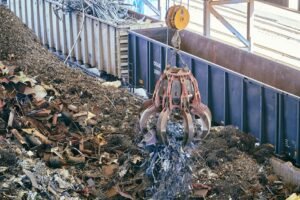
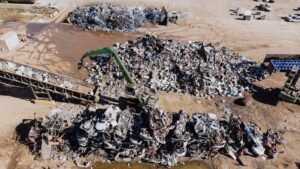
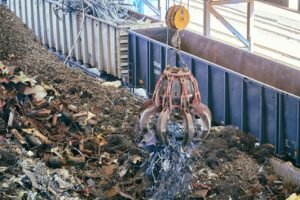
Once the vehicle is stripped to its skeleton, it is sent to a shredder. Modern shredders are massive industrial machines that reduce a car to fist-sized chunks of metal in seconds. Powerful magnets then separate the ferrous steel from the non-ferrous aluminum, copper, and zinc. The remaining “shredder fluff”—consisting of plastic, foam, and glass—is processed further to recover any remaining recyclable materials. This high-efficiency recovery rate is why professional scrap car removal is vastly superior to illegal dumping or abandonment.
Environmental Benefits and Sustainability in Denham Court
The environmental impact of professional scrap car removal Denham Court extends far beyond simple waste management. Every tonne of recycled steel saves approximately 1,100 kilograms of iron ore, 630 kilograms of coal, and 55 kilograms of limestone. By recycling your vehicle, you are directly contributing to a massive reduction in the carbon footprint associated with primary metal extraction and refinement.
Furthermore, the proper disposal of hazardous fluids prevents groundwater contamination. A single litre of motor oil can contaminate one million litres of water. When you engage a licensed scrap service, you are guaranteeing that these toxic substances are captured and treated according to strict state regulations. This is particularly important for the Denham Court area, where local environmental preservation is a high priority.
The reduction in landfill pressure is another key benefit. Abandoned vehicles take up massive amounts of space and can leak chemicals for decades. By integrating your vehicle into the recycling stream, you are supporting the local economy and ensuring that the materials are repurposed for the construction, automotive, and manufacturing industries. This is the definition of a sustainable industrial cycle.
Market Trends and Maximizing Your Payout
The scrap metal market is volatile, influenced by global commodity prices and international demand, particularly from markets like China and Southeast Asia. To maximize your payout, timing is everything. Keep an eye on global steel and aluminum prices. When the market is high, your vehicle’s scrap value will naturally increase. It is also worth noting that the condition of the car matters; while a car with missing components still has value, a complete vehicle with all its catalytic converters and batteries intact will always command a higher price.
When selecting a service provider, look for companies that provide transparent weight-based pricing. Avoid services that offer a flat, low-ball fee without inspecting the vehicle’s specific components. A professional service will often provide a quote based on the make, model, and year, as these factors determine the weight and composition of the metals. Always ensure the provider is licensed, as this guarantees they have the infrastructure to process the vehicle legally and safely.
Practical tip: Remove your personal belongings and ensure the vehicle is accessible. If the vehicle is in a remote or difficult-to-reach location on your property, let the removal service know in advance. They may require specialized towing equipment, and clear communication will prevent delays and additional fees. Documentation is also key; always ensure you have proof of ownership, as reputable recyclers will require this to prevent the processing of stolen vehicles.
The Future of Vehicle Recycling
As we look toward 2030, the automotive industry is undergoing a massive shift toward electric vehicles (EVs). This presents a new frontier for scrap car removal Denham Court. EVs contain lithium-ion batteries that require specialized handling and recycling processes. These batteries contain rare earth elements like lithium, cobalt, and nickel, which are incredibly valuable and essential for the production of new batteries. The infrastructure for recycling these units is rapidly expanding, and early adopters of professional recycling services will be at the forefront of this green transition.
The integration of AI and robotics in scrap yards is also improving the efficiency of material sorting. Advanced optical sensors can now identify and sort different alloys of aluminum with incredible precision, increasing the purity of the recycled product. This higher purity allows for higher-quality secondary manufacturing, closing the loop even tighter. By participating in professional recycling today, you are supporting the growth of these critical technologies.
Finally, remember that your choice of recycler matters. By choosing to work with businesses that prioritize transparency and environmental compliance, you are voting with your wallet for a cleaner, more sustainable future. The scrap metal industry is the unsung hero of the industrial world, and your vehicle is a vital part of that story. Whether you are clearing space in your garage or disposing of a fleet of end-of-life vehicles, the path to a profitable and ethical outcome is through professional, regulated recycling channels.
Frequently Asked Questions
How do I determine the value of my scrap car?
The value of a scrap car is primarily determined by its weight and the current global market price for ferrous and non-ferrous metals. Factors such as the presence of a catalytic converter, the type of wheels, and the completeness of the engine and transmission significantly influence the final offer.
Is it legal to leave a scrap car on my property in Denham Court?
While owning a car on private property is generally allowed, local council regulations often prohibit the long-term storage of derelict or abandoned vehicles due to environmental and safety concerns. It is highly recommended to dispose of these vehicles through licensed recyclers to avoid potential fines and environmental liability.
What documentation do I need to sell my car for scrap?
You generally need proof of ownership, such as the vehicle registration papers or a bill of sale, to verify that you have the legal right to dispose of the vehicle. Reputable scrap car removal services require this documentation to prevent the processing of stolen vehicles and to comply with state regulations.
How are hazardous materials handled during the recycling process?
Licensed recyclers use specialized vacuum-sealed equipment to drain all fluids, including oil, coolant, and brake fluid, into secure containment vessels. These fluids are then sent to specialized treatment facilities for processing, ensuring that no hazardous waste enters the local environment or water table.