
For businesses and residents in the Riverina region, professional scrap collection Wagga Wagga services are essential for maintaining site safety and contributing to a circular economy. Whether you are clearing out an industrial workshop or managing construction waste, understanding how to effectively manage your metal assets is the first step toward sustainability and profit. At its core, Scrap Trade provides the infrastructure needed to turn discarded materials into valuable resources.
Understanding the Fundamentals of Scrap Metal Grades
To maximize the value of your materials, you must first understand the distinction between ferrous and non-ferrous metals. Ferrous metals contain iron and are magnetic, while non-ferrous metals do not contain iron and are generally more valuable due to their resistance to corrosion and high conductivity. In the context of Scrap Metal Collection, identifying these grades accurately is the primary factor in determining your payout.
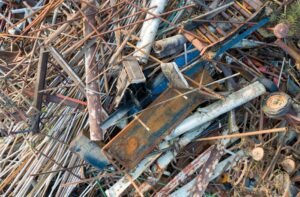
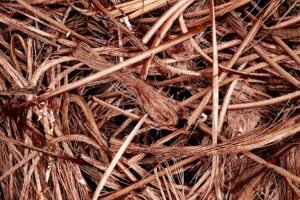
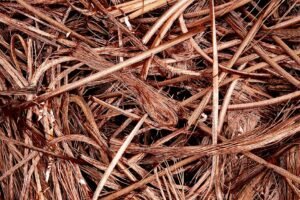
Common ferrous grades include heavy melting steel (HMS), light iron (sheet metal), and cast iron. HMS typically refers to thick, structural steel, while light iron includes items like washing machines, car bodies, and fencing. Non-ferrous metals, which are the cornerstone of the industry, include copper (bright wire, tubing), aluminium (extrusions, cast, sheet), brass (fittings, taps), and stainless steel. Understanding What Is Scrap Trade allows you to categorize your scrap effectively, ensuring you receive the correct market rate for your specific materials.
When preparing for collection, segregation is key. Mixing grades will often lead to a lower “mixed scrap” price. By separating your copper pipes from your steel beams, you ensure that your materials can be processed efficiently. This is a vital aspect of professional metal recycling services, as it reduces the labor required at the processing facility.
The Lifecycle: How Metal Recycling Actually Works
The process of metal recycling is a sophisticated industrial chain that transforms raw waste into high-quality feedstock for manufacturing. The journey begins with collection. For many, finding a reliable scrap collection near me is the first hurdle. Once the material is gathered, it is transported to a processing facility where it undergoes a rigorous inspection and grading process.
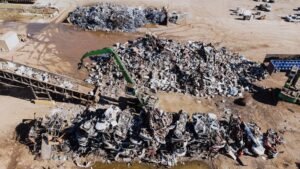
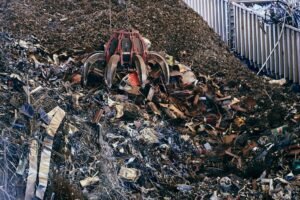
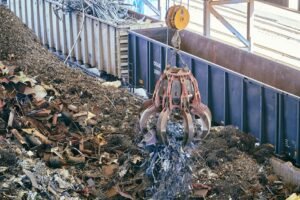
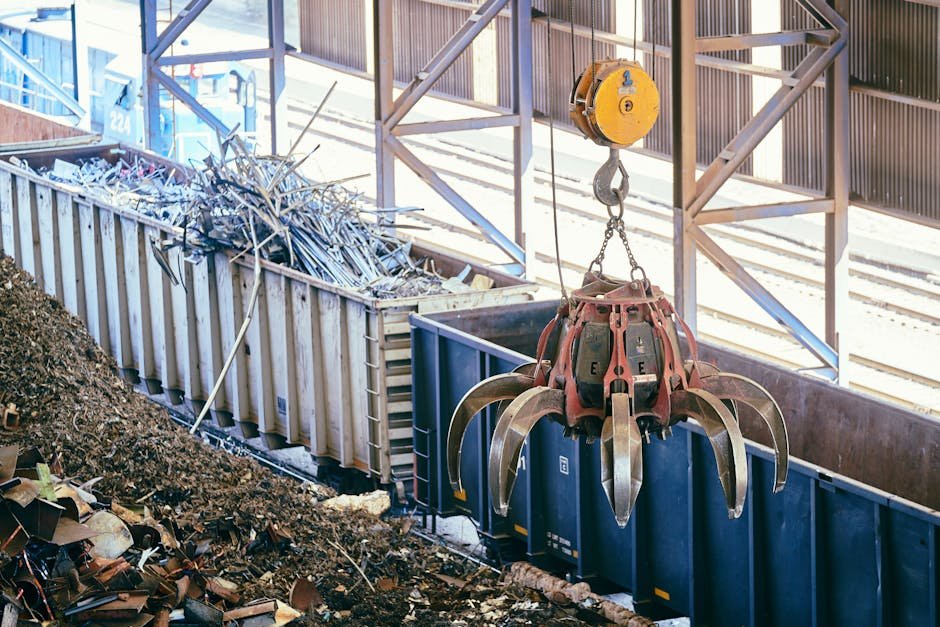
After grading, the metal is processed using heavy-duty machinery. This includes shredding, which breaks down large items into smaller, uniform pieces, and shearing, which cuts thick steel into manageable sizes. Magnetic separation is then used to pull ferrous metals away from non-ferrous materials. For non-ferrous metals, advanced technologies like eddy current separators and X-ray fluorescence (XRF) analyzers are used to determine exact chemical compositions. This technical precision is vital to understanding What Scrap Trade Actually Is—a high-tech industry focused on material purity.
Once sorted and processed, the metal is baled or bundled into dense units for transport to smelters. Here, the metal is melted down, refined, and cast into ingots or billets. These are then sold to manufacturers to create everything from new vehicle parts to building materials. This closed-loop system is the foundation of modern sustainability.
Environmental Benefits of Metal Recycling
The environmental impact of recycling metal is profound. Every tonne of recycled steel saves over 1,100 kilograms of iron ore, 630 kilograms of coal, and 55 kilograms of limestone. Furthermore, recycling aluminium uses approximately 95% less energy than producing it from virgin bauxite ore. By utilizing scrap collection Wagga Wagga services, you are directly contributing to a reduction in the carbon footprint of the manufacturing sector.
Beyond energy savings, recycling prevents toxic heavy metals from leaching into the soil and groundwater in landfills. It also minimizes the need for environmentally destructive mining operations. When metal is recycled, it retains its properties indefinitely. Unlike paper or plastic, which degrade in quality over time, metal can be recycled repeatedly without losing its strength or conductivity. This makes it the most sustainable material in the global supply chain.
Tailored Solutions for Industrial Clients
For industrial and commercial operations, standard collection methods are often insufficient. This is where b2b scrap metal collection becomes a critical service. Businesses in sectors such as construction, demolition, manufacturing, and automotive repair require consistent, reliable, and compliant removal of scrap metal. A structured B2B program ensures that scrap does not pile up on-site, which can pose safety hazards and occupy valuable floor space.
Effective B2B management involves the strategic placement of industrial bins or skips, scheduled pickups, and detailed reporting on the types and weights of materials collected. This data is essential for businesses aiming to meet environmental, social, and governance (ESG) targets. By partnering with a professional service, businesses can turn a waste management cost into a revenue stream while demonstrating a commitment to corporate responsibility.
Practical Tips for Preparing Your Scrap
Preparation is the difference between a quick, profitable transaction and a logistical headache. First, clean your scrap. While some surface rust is acceptable, removing non-metallic contaminants like plastic, wood, or glass significantly increases the value of your load. If you are dealing with large machinery, ensure that all fluids—such as oil, fuel, and coolant—have been drained and disposed of according to local environmental regulations.
Second, safety is paramount. When handling scrap, always wear appropriate PPE, including heavy-duty gloves and steel-capped boots. Sharp edges and heavy, unstable loads are the most common causes of injury on job sites. Finally, keep an inventory of what you have. If you are planning a large-scale clearance, take photos and send them to your scrap merchant beforehand. This allows them to provide a more accurate estimate and ensure they bring the right equipment, such as cranes or specialized trailers, for the job.
The Future of Metal Recycling in Australia
The Australian scrap industry is undergoing a significant transformation driven by technological innovation and stricter environmental regulations. We are seeing a move toward “smart recycling,” where artificial intelligence and robotics are used to identify and sort metals with near-perfect accuracy. This shift is reducing contamination rates and increasing the overall yield of high-quality secondary raw materials.
Furthermore, as Australia moves toward a net-zero future, the role of scrap metal will become even more prominent. The transition to renewable energy requires vast amounts of copper for wiring and steel for wind turbine structures. By keeping these materials in the economy, we are essentially building a “metal bank” that secures our future supply chain. The continued expansion of professional collection networks in regional hubs like Wagga Wagga is crucial to supporting this national transition.
Regulatory Compliance and Responsible Disposal
Navigating the regulatory landscape of waste management is essential for any business. In Australia, environmental protection agencies set strict guidelines for the handling and transport of scrap metal. This includes ensuring that hazardous materials are identified and managed correctly. For instance, scrap metal that may contain asbestos or radioactive materials requires specialized handling protocols that go beyond standard collection services.
Choosing a reputable scrap collector ensures that you remain compliant with these regulations. A professional operator will provide the necessary documentation, such as weighbridge tickets and waste transfer certificates, which serve as proof that your materials were handled, processed, and recycled in accordance with the law. This documentation is vital for audits and environmental reporting, providing peace of mind that your business is operating ethically and legally.
Maximizing Your Return on Investment
To get the best price for your scrap, timing and volume are everything. Metal prices are commodities, meaning they fluctuate daily based on global demand, currency exchange rates, and geopolitical stability. While you cannot control the market, you can control how you present your materials. High-volume, well-sorted loads are always more attractive to buyers. By building a long-term relationship with a trusted collector, you gain access to market insights that can help you decide when to sell.
Additionally, consider the logistical costs. If you have a significant volume of material, inquire about bin placement services. Having a dedicated skip on-site allows you to accumulate scrap over time, reducing the number of trips required and optimizing your logistics. By treating scrap as a valuable asset rather than a waste product, you can significantly improve the profitability of your site operations.
Related: scrap collection near me
Related: b2b scrap metal collection
Frequently Asked Questions
What is the difference between ferrous and non-ferrous metals?
Ferrous metals contain iron and are magnetic, such as steel and iron, while non-ferrous metals do not contain iron and include copper, aluminium, and brass. Non-ferrous metals are typically more valuable due to their specific properties and scarcity.
How can I get the best price for my scrap metal?
To get the best price, ensure your scrap is clean, free from contaminants like plastic or wood, and properly sorted by grade. Selling in larger, well-organized volumes also helps you secure better rates from collectors.
Are there items that cannot be accepted as scrap?
Yes, items containing hazardous materials like asbestos, radioactive waste, or sealed containers with unknown pressurized gases are generally not accepted. Always consult with your scrap collector regarding specific safety protocols for complex items.
Why is it important to use a professional scrap collection service?
Professional services ensure that your waste is handled in compliance with environmental regulations and provide accurate weighing and documentation. They also possess the specialized equipment needed to safely manage, transport, and process heavy or hazardous materials.