
When you are looking for reliable scrap copper pick up Riverwood services, understanding the nuances of metal recycling is essential to maximizing your financial return. Whether you are a tradesperson, a construction site manager, or a homeowner clearing out a shed, navigating the copper market requires knowledge of grading, preparation, and logistics. This guide serves as your comprehensive resource for all things related to copper recycling in New South Wales.
Understanding the Value of Copper in the Australian Market
Copper is one of the most highly sought-after industrial metals globally due to its exceptional conductivity and durability. In Australia, the Scrap Copper market is driven by both local construction demands and international commodity prices. When you engage in a scrap copper pick up Riverwood service, you are participating in a global supply chain that transforms discarded materials into high-value manufacturing inputs.
The price you receive is often determined by the copper price per kg, which fluctuates based on the London Metal Exchange (LME) and local demand. High-quality materials like copper wire that has been stripped of insulation command a significantly higher price than contaminated or oxidized scrap. To ensure you are getting the best value, it is vital to keep your materials clean and sorted before the collection team arrives.
Comprehensive Guide to Copper Grading
Not all scrap is created equal. Understanding the specific grades is the secret to moving from a casual recycler to a profitable partner in the industry. Professional recyclers categorize copper based on purity, thickness, and the presence of contaminants like solder, paint, or plastic insulation.
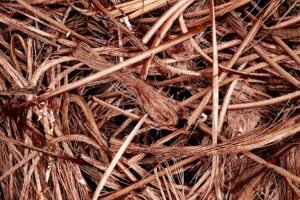
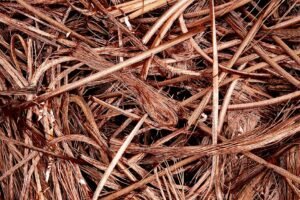
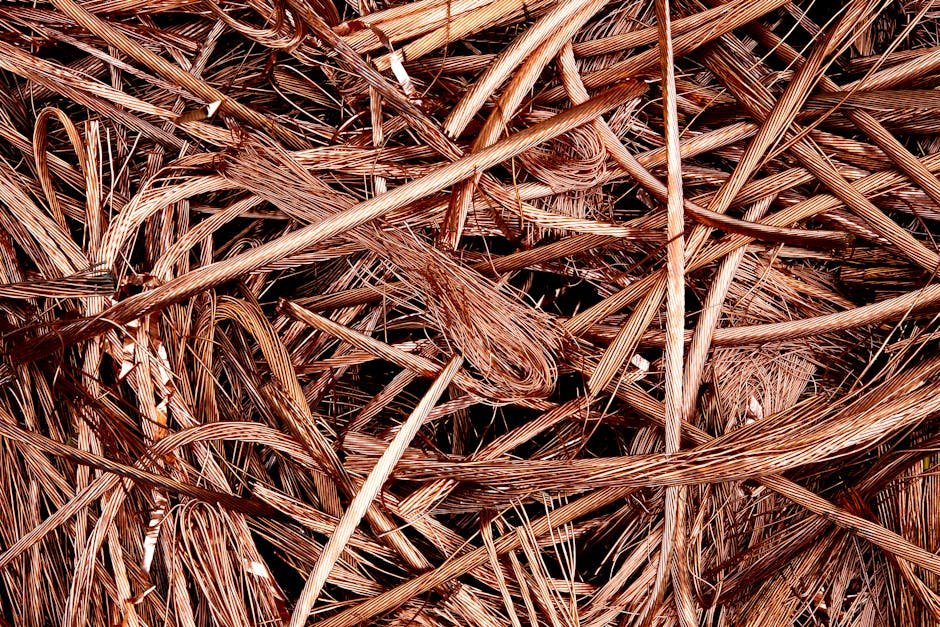
- Bare Bright Copper: This is the gold standard. It consists of unalloyed, uncoated, and unoxidized copper wire, usually 16-gauge or thicker. It must be free of any insulation, paint, or oxidation.
- Number 1 Copper: This includes clean, unalloyed copper pipe and wire that is free of fittings, solder, or other metals. It may have a slight patina but should not be heavily corroded.
- Number 2 Copper: This grade often includes copper pipe with solder joints, or wire that has been burnt or is slightly oxidized. It is still valuable but requires more processing time at the facility.
- Copper Wire (Insulated): The value here depends on the “recovery rate” of the copper inside. Thin, hair-like wires have a lower recovery rate compared to thick, heavy-duty industrial cables.
By organizing your scrap into these specific categories, you simplify the collection process for the Copper Scrap Group and ensure that your payout reflects the true quality of your materials. If you have mixed loads, it is always best to consult with your provider beforehand to see if they offer sorting services on-site.
The Logistics of Scrap Copper Pick Up Riverwood
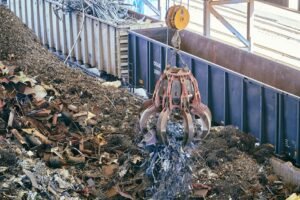
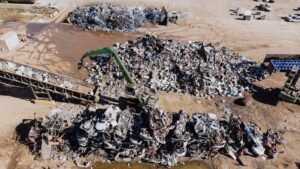
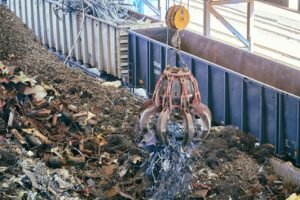
Managing large quantities of heavy metal requires specialized equipment and safety protocols. A professional scrap copper pick up Riverwood operation is designed to handle everything from small residential loads to industrial-scale collections. When scheduling a pick-up, it is important to consider the accessibility of your site. Are there weight restrictions? Do you need a skip bin dropped off in advance, or is this a one-time loading service?
For those located in other parts of Sydney, the logistics remain similar. For instance, companies often coordinate scrap copper pick up silverwater to ensure that industrial hubs are serviced efficiently. By centralizing your scrap management, you reduce the carbon footprint associated with transport and ensure that materials are processed in a facility that adheres to strict environmental regulations.
How Copper Recycling Works: From Scrap to Resource
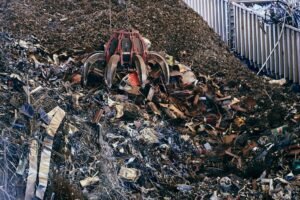
The journey of a piece of scrap copper is a fascinating example of modern engineering. Once collected, the material undergoes a rigorous process of sorting, shredding, and melting. First, the material is weighed on certified scales to determine the payment. Then, it is sorted by hand or through automated magnetic and optical sensors to remove contaminants.
The copper is then shredded into small pieces to make it easier to separate from other materials like plastic insulation or steel fittings. For insulated copper pipe or wire, specialized granulators are used to strip the plastic casing, which is then recycled separately. Finally, the clean copper is melted in a furnace, cast into ingots, and sent to manufacturers to be turned into new electrical components, plumbing fixtures, or architectural elements. This process consumes up to 85% less energy than mining and refining virgin copper ore.
Environmental Benefits of Copper Recycling
Choosing to recycle your scrap is one of the most effective ways to reduce your environmental impact. Copper is unique because it can be recycled infinitely without losing any of its chemical or physical properties. By keeping copper in the circular economy, we reduce the need for destructive open-pit mining, which consumes vast amounts of water and energy, and often results in significant habitat loss.
Furthermore, recycling scrap metal in Australia helps to lower the national carbon footprint. The energy savings from using recycled copper compared to virgin ore are massive. When you work with a reputable Australian scrap trading platform, you are ensuring that your waste is handled ethically and in compliance with local environmental laws, preventing hazardous materials from ending up in landfills.
Practical Tips for Maximizing Your Scrap Value
To ensure you get the best possible return on your scrap, follow these expert tips:
- Sort Before You Call: Keep your grades separate. Mixing high-grade bare bright copper with low-grade insulated wire will result in the entire load being graded at the lower price.
- Strip Insulation Carefully: If you have the time and tools, stripping the insulation from your copper wire can significantly increase its value. However, only do this if it is safe and cost-effective for the volume you have.
- Remove Contaminants: Take the time to remove steel fittings, plastic valves, or excessive amounts of solder from your copper pipe.
- Monitor the Market: Keep an eye on the Scrap Copper Prices Near Me to understand when the market is peaking. While you cannot time the market perfectly, avoiding selling during major dips can make a difference in your total payout.
- Build a Relationship: If you generate scrap regularly, establish a long-term relationship with a reliable collector. They are more likely to offer better service and potentially better rates to loyal clients.
For more insights on managing your scrap, visit Scrap Trade to stay updated on industry standards and best practices.
Safety and Compliance in Metal Recycling
Safety is the top priority for any professional recycling operation. Handling scrap metal involves sharp edges, heavy lifting, and potentially hazardous materials. Always wear appropriate personal protective equipment (PPE), including heavy-duty gloves and steel-toed boots, when handling scrap. Furthermore, ensure that the company you hire is fully licensed and insured. Compliance with local council regulations regarding waste management is also crucial to avoid fines and ensure that your recycling efforts are fully legal.
The Future of the Scrap Metal Industry
The future of the scrap industry is increasingly digital and sustainable. With the rise of advanced sorting technologies and better logistics, the efficiency of the recycling chain is improving every year. As demand for copper grows—driven by the shift toward renewable energy, electric vehicles, and smart infrastructure—the importance of a robust recycling network becomes even more critical. By participating in professional collection services, you are contributing to a more sustainable and resource-efficient future for Australia.
Conclusion
Whether you are a professional contractor or a private individual, managing your scrap copper effectively is a smart financial and environmental decision. By understanding the different grades, preparing your materials correctly, and utilizing professional services, you ensure that you receive the maximum value for your scrap. Remember that every kilogram of copper diverted from a landfill is a step toward a more sustainable economy. When you are ready to dispose of your materials, prioritize professional, transparent, and environmentally conscious partners to handle the job.
Related: Scrap Copper Prices Near Me
Related: riverwood scrap copper pick up
Frequently Asked Questions
What is the difference between bare bright and number 2 copper?
Bare bright copper is unalloyed, uncoated, and unoxidized wire that is free of all insulation and debris, making it the highest value grade. Number 2 copper includes wire or pipe that may have solder, light oxidation, or paint, which requires more processing to clean.
How can I find the best scrap copper prices near me?
You can check online platforms like Scrap Trade to compare current market trends and find reputable local buyers. Always call ahead to confirm their current buying rates and whether they offer pick-up services for your specific volume.
Is it worth stripping insulation from copper wire?
It depends on the thickness of the wire and the tools you have available. If you have heavy-duty industrial cables, stripping them can significantly increase the payout, but for very thin, hair-like wire, the time and effort may not justify the price difference.
What should I look for in a scrap collection service?
Look for a company that is fully licensed, provides transparent pricing, and has a clear environmental policy. Reliability, proper equipment for the size of your load, and professional customer service are key indicators of a reputable operator.