
If you are looking for a reliable scrap copper pick up Strathfield South service, you have come to the right place. Managing metal waste efficiently is not just about clearing space; it is about participating in a circular economy that values resources and environmental sustainability. Whether you are a trade contractor, a demolition expert, or a homeowner clearing out a shed, understanding the nuances of copper recycling is essential for maximizing your return on investment.
Understanding Copper Grades: What You Need to Know
To get the best value for your materials, you must understand how recyclers categorize metal. Copper is one of the most valuable non-ferrous metals, but its price fluctuates based on purity and the effort required to process it. When you arrange a strathfield south scrap copper pick up, knowing your grades is the first step toward a successful transaction.
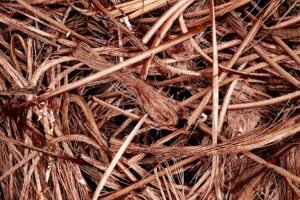
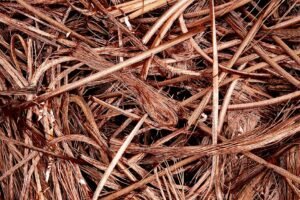
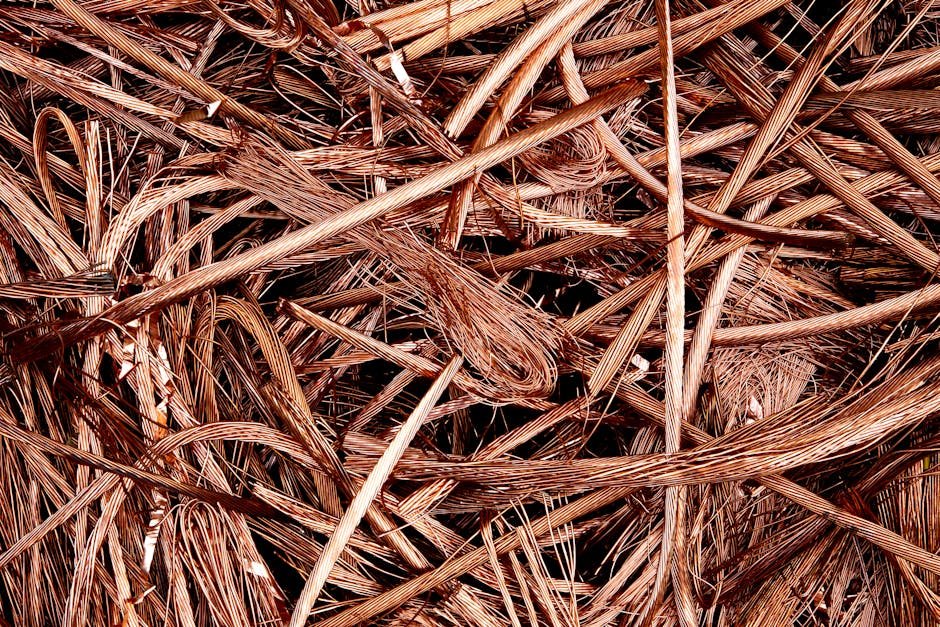
Bare Bright Copper: This is the gold standard of the industry. It consists of clean, unalloyed copper wire, stripped of all insulation, paint, or coatings. It must be shiny and free of any oxidation or solder. Because it requires minimal processing, it commands the highest market rate.
Number 1 Copper: This grade includes clean copper pipe and heavy-gauge wire that is free of solder, paint, or other contaminants. It is slightly less valuable than bare bright but remains a premium category for those involved in the Copper Scrap Group.
Number 2 Copper: This category encompasses copper that is slightly contaminated, such as pipes with solder joints, or wire that still has some oxidation. It is a very common grade for renovation projects. When checking Scrap Copper Prices Near Me, you will notice that this grade is priced lower than the premium categories because it requires additional mechanical separation.
Insulated Copper Wire: This includes everything from household electrical cables to heavy-duty industrial power lines. The value here is determined by the “recovery rate,” which is the amount of actual copper metal compared to the weight of the plastic or rubber insulation.
The Copper Recycling Process: From Site to Smelter
Recycling copper is a sophisticated industrial process that ensures this finite resource remains in circulation indefinitely. When you utilize our strathfield south scrap copper pick up, your material undergoes several stages of refinement. First, the scrap is weighed and sorted by grade. We use advanced X-ray fluorescence (XRF) analyzers to determine the exact chemical composition of the metal, ensuring you receive a fair price based on market standards.
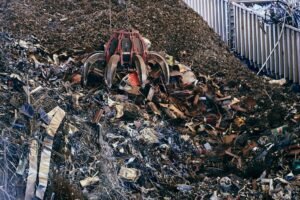
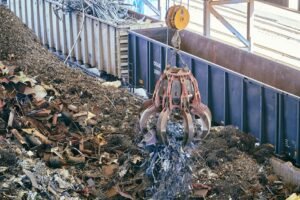
Once sorted, the copper is processed. Insulated wires are fed into granulators, which chop the material into small pieces. A high-powered air system then separates the lighter plastic insulation from the heavier copper granules. For larger pieces like pipes, the metal is sheared into smaller, manageable sizes. Finally, the copper is melted in a furnace to create high-purity ingots. These ingots are then sold to manufacturers to create new Scrap Copper products, ranging from electrical wiring for new homes to plumbing fixtures and high-end electronics.
The efficiency of this process is why copper recycling is so highly prioritized. Unlike plastic, which degrades over time, copper can be recycled infinitely without losing its physical or electrical properties. By choosing to recycle, you are directly contributing to the reduction of mining activity, which is notoriously energy-intensive and destructive to local ecosystems.
Environmental Benefits of Copper Recycling
The environmental impact of recycling copper cannot be overstated. Mining virgin copper ore requires massive amounts of energy, water, and chemicals. In contrast, recycling copper uses approximately 85% less energy than producing it from raw ore. This massive reduction in energy consumption translates directly into lower carbon emissions, helping Australia meet its sustainability targets.
Furthermore, copper recycling reduces the volume of hazardous waste sent to landfills. Many electronic components and industrial cables contain trace amounts of other metals or chemicals that can leach into the soil if not disposed of correctly. By engaging with professional recycling services, you ensure that these materials are handled in compliance with strict environmental regulations. Whether you are in Strathfield South or looking for north strathfield scrap copper pick up, the goal remains the same: diverting valuable resources from the waste stream and back into the production cycle.
For those interested in the broader industry, you can learn more about global standards at the official scrap trade portal for Australia. We believe that transparency in the recycling process builds trust, and we encourage all our clients to understand the journey their scrap takes after it leaves their site.
Maximizing Your Returns: Tips for Copper Sellers
If you want to get the most out of your scrap, preparation is key. While we handle the heavy lifting during our pick-up services, there are steps you can take to increase the value of your load. First, try to sort your metals by grade before we arrive. Mixing high-grade bare bright copper with lower-grade insulated wire can sometimes result in the entire load being valued at the lower rate. By keeping your materials segregated, you make the assessment process faster and more accurate.
Second, remove as much non-copper material as possible. If you have copper pipes with brass fittings or steel valves, try to remove them. While we can process mixed loads, the more “pure” your copper is, the higher the Scrap Copper Prices Near Me will be for your specific batch. Third, keep an eye on market trends. Copper is a globally traded commodity, and its price is influenced by industrial demand in China, construction activity in Australia, and the strength of the dollar. While we always offer fair, market-linked rates, choosing to sell when the market is high can significantly impact your bottom line.
Finally, utilize our professional logistics. We provide strathfield south scrap copper pick up using specialized vehicles that can handle everything from small residential clean-ups to large-scale industrial site clearances. By using a professional service, you avoid the time and fuel costs associated with transporting heavy metal loads yourself, allowing you to focus on your core business operations.
The Future of the Scrap Metal Industry in Australia
The Australian scrap metal industry is undergoing a digital transformation. Gone are the days of manual ledger books and opaque pricing models. Today, platforms like Scrap Trade are leading the way in providing real-time data and seamless scheduling for recycling services. This transparency is crucial for the industry’s growth, as it encourages more businesses and individuals to participate in the recycling economy.
As we look toward the future, the demand for copper is expected to skyrocket. With the global transition to renewable energy—including electric vehicles, wind turbines, and solar panels—the need for high-quality copper is greater than ever. Copper is the backbone of the green energy revolution. By recycling your scrap today, you are essentially supplying the raw materials for tomorrow’s sustainable infrastructure. Whether it is copper wire from a decommissioned server room or copper pipe from a large-scale renovation, every kilogram counts.
We are committed to maintaining the highest standards of service in the Sydney region. From our dedicated north strathfield scrap copper pick up routes to our comprehensive site management solutions in the South, we are here to support your recycling needs. Our team is trained to identify all types of non-ferrous metals, ensuring that you receive the correct classification and the best possible price for your materials. We pride ourselves on being more than just a scrap yard; we are a partner in your sustainability journey.
Why Choose Professional Recycling Services?
Attempting to dispose of scrap metal through general waste channels is not only inefficient but also environmentally irresponsible. General waste facilities are not equipped to extract and refine the valuable copper contained within your scrap. By choosing a specialized service, you ensure that your materials are handled by experts who understand the metallurgical value of the items you are discarding.
Furthermore, safety is a primary concern when dealing with heavy metals and industrial scrap. Our team is fully insured and trained in safe handling practices, ensuring that the collection process is seamless and risk-free for your site. Whether you have a small bin of copper wire or a large container of industrial-grade piping, we have the equipment and the expertise to handle the job efficiently.
We invite you to join the growing community of businesses and individuals who are prioritizing the circular economy. By choosing to work with us, you are supporting a local business that is dedicated to the highest standards of environmental stewardship and ethical trading. Contact us today to discuss your scrap metal needs and learn why we are the preferred choice for copper recycling in the Strathfield area.
Frequently Asked Questions
Frequently Asked Questions
How do I prepare my copper for pick up?
To maximize your return, sort your copper by grade (e.g., bare bright, pipe, or insulated wire) and remove any non-metallic attachments like plastic fittings or steel valves. Keeping your materials segregated allows for a faster and more accurate valuation.
How is the value of my scrap copper determined?
The value is determined by the current global market price of copper, the specific grade of your material, and the weight of the batch. We use professional-grade scales and XRF analysis to ensure your load is accurately weighed and categorized.
What is the difference between Number 1 and Number 2 copper?
Number 1 copper is clean, unalloyed, and free of solder or paint, making it more valuable. Number 2 copper includes pipes with solder joints or wire that has slight oxidation, which requires more processing to refine.
Why is copper recycling important for the environment?
Recycling copper uses up to 85% less energy than mining and refining virgin ore. It also prevents valuable materials from ending up in landfills and significantly reduces the carbon footprint associated with metal production.