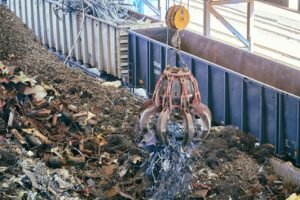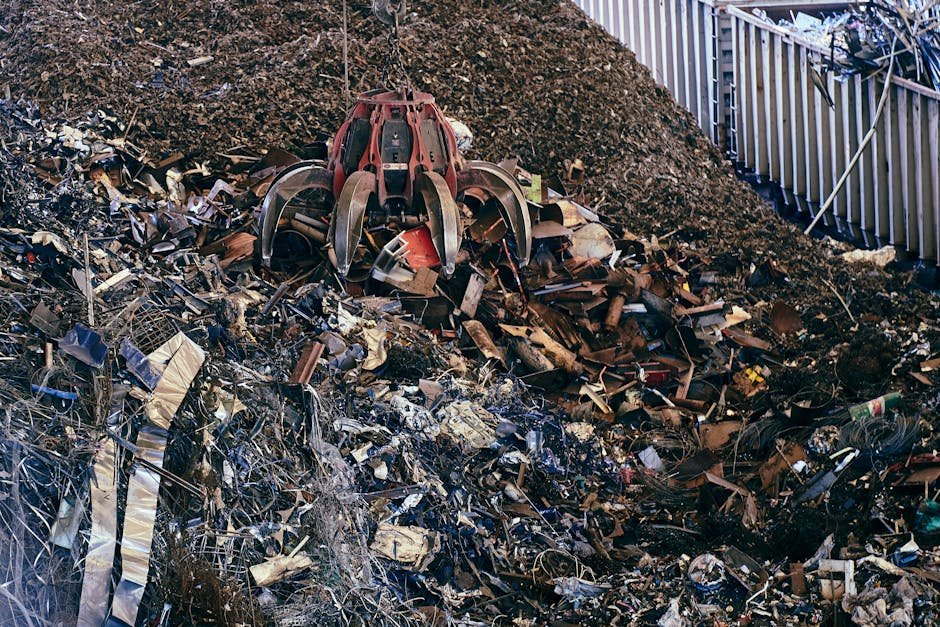

When searching for professional scrap dealers Sydney, it is vital to understand that the industry is the backbone of Australia’s sustainable manufacturing sector. Whether you are a construction firm in Western Sydney, a residential renovator on the North Shore, or an industrial manufacturer, the process of recycling metal is a sophisticated operation that requires precision, knowledge of global commodity markets, and a commitment to environmental stewardship. At its core, the recycling of metals—from copper and brass to steel and lead—is about resource conservation. By choosing reputable scrap metal recycling experts, you ensure that your materials are processed according to the highest industry standards within NSW.
Understanding the Scrap Metal Industry in Greater Sydney
The scrap metal industry in Greater Sydney is a multi-faceted sector that bridges the gap between waste management and raw material supply. To truly grasp the value of your materials, you must first understand What Scrap Trade Actually Is. It is not merely about hauling away junk; it is about the systematic recovery of finite resources. When you engage with professional scrap dealers Sydney, you are participating in a global supply chain that feeds the production of new infrastructure, automotive parts, and electronics.
In the context of the New South Wales economy, scrap trading is a regulated and highly technical field. Dealers must adhere to strict environmental protection laws to ensure that hazardous materials, such as lead-acid batteries or fluids, are handled safely. For those just beginning to explore this field, it is helpful to look at What Is Scrap Trade to understand the economic drivers behind price fluctuations. Factors like the London Metal Exchange (LME) prices, currency exchange rates, and local demand in regions like Western Sydney dictate the value of your scrap. By keeping informed, you can maximize your returns while contributing to a greener future.
The Classification of Metals: Understanding Grades
Not all metal is created equal. The value of your scrap depends heavily on its grade, purity, and the ease with which it can be processed. Professional scrap dealers Sydney classify metals into two primary categories: Ferrous and Non-Ferrous.
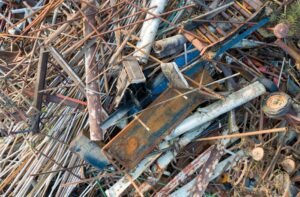
- Ferrous Metals: These contain iron and are magnetic. Common examples include mild steel, carbon steel, stainless steel, and cast iron. While these are often found in bulk in construction projects, they generally command a lower price per tonne compared to non-ferrous metals.
- Non-Ferrous Metals: These do not contain iron and are highly valued for their resistance to corrosion and their infinite recyclability. This category includes copper, aluminum, brass, bronze, lead, and zinc.
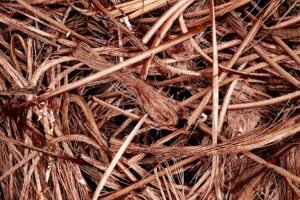
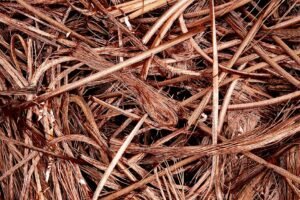
For instance, if you are looking to sell scrap aluminum sydney, you should be aware that clean, unalloyed aluminum will fetch a significantly higher price than contaminated or mixed-grade scrap. Similarly, copper is graded based on its cleanliness—bright shiny copper (stripped of insulation) is the gold standard. Understanding these grades allows you to sort your materials before arriving at the yard, which saves time and ensures you receive the best market rate for your haul.
How the Recycling Process Works
The journey from a discarded piece of metal to a recycled product involves several critical steps. Once you deliver your materials to a facility, the process begins with weighing and inspection. Advanced technology, such as X-ray fluorescence (XRF) analyzers, is often used by high-end dealers to determine the exact chemical composition of the metal.
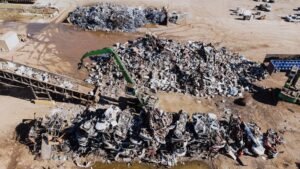
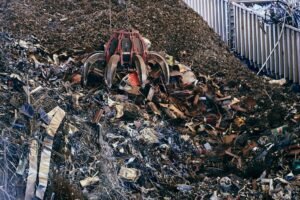
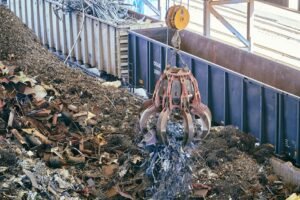
Following inspection, the material is sorted. This is where the expertise of the dealer becomes paramount. Automated shredders, magnetic separators, and eddy current separators are used to isolate specific metals from complex waste streams. For example, scrap metal sydney facilities often process large volumes of demolition waste, stripping away plastic, rubber, and wood to isolate the valuable metal components. In some cases, businesses also handle Plastic Scrap that is recovered during the metal extraction process, ensuring that as little as possible ends up in landfill.
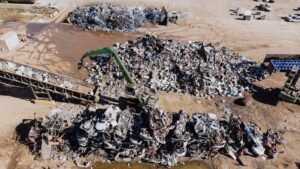
Once sorted, the metal is baled or compacted to make it easier to transport. It is then shipped to smelters where it is melted down into ingots or billets. These raw materials are then sold back to manufacturers, effectively closing the loop. This process uses significantly less energy than mining and refining virgin ore, which is why recycling is a pillar of modern environmental policy in Australia.
Environmental Benefits of Metal Recycling in NSW
The environmental impact of recycling cannot be overstated. Mining virgin ore is an energy-intensive and ecologically destructive process that involves massive land clearing, water usage, and carbon emissions. By recycling scrap metal, we reduce the need for these activities. For example, recycling aluminum saves approximately 95% of the energy required to produce the same amount of aluminum from bauxite ore.
In New South Wales, the push for a circular economy is stronger than ever. By utilizing local recycling infrastructure, Sydney businesses and residents are helping to reduce the carbon footprint of the entire state. Furthermore, responsible recycling prevents toxic heavy metals from leaching into the soil and groundwater, which is a major concern in urban areas. When you choose to work with certified professional scrap metal recycling services, you are ensuring that your waste is handled in a way that protects the local ecosystem, from the North Shore waterways to the industrial hubs of the west.
Practical Tips for Maximizing Your Scrap Value
If you have a collection of scrap, a little bit of preparation goes a long way. Here are some expert tips to ensure you get the most out of your visit to a scrap yard:
- Sort Your Metals: Never mix your metals. Keeping your copper separate from your steel and your aluminum separate from your brass makes the dealer’s job easier and usually results in a better price for you.
- Clean Your Scrap: Remove non-metal attachments. If you have an old appliance, removing plastic casings, rubber seals, or glass will increase the purity of your metal and its value.
- Strip Your Cables: If you have large quantities of insulated copper wire, stripping the plastic coating off can significantly increase the value of the copper. However, ensure you have the right tools to do this safely.
- Understand Market Cycles: Metal prices fluctuate daily based on global demand. If you have a large volume of scrap, it may be worth calling your dealer to check current pricing trends.
- Safety First: Always wear appropriate PPE, including gloves and steel-toed boots, when handling scrap metal. Sharp edges and heavy weights are common hazards.
The Future of Scrap Metal in Sydney
The future of the scrap industry in Sydney is bright, driven by technological innovation and a growing societal demand for sustainability. We are seeing a shift toward more automated sorting facilities that can identify and separate materials with near-perfect accuracy. Additionally, the integration of digital platforms is making it easier for both small-scale traders and large industrial clients to track their recycling impact and monitor market prices in real-time.
As Sydney continues to grow, the demand for metal in construction and technology will only increase. By maintaining a robust network of scrap dealers and recycling facilities, we can ensure that this growth is sustainable. Whether you are a small business owner in North Shore or a large-scale industrial operator in Western Sydney, your commitment to recycling is a vital part of the state’s infrastructure. By choosing to recycle, you are not just clearing out space; you are contributing to a cleaner, more efficient, and more sustainable Australia.
Conclusion: Why Choosing the Right Dealer Matters
Selecting the right partner for your recycling needs is the most important decision you can make in the scrap trade. A professional dealer provides more than just a cash transaction; they provide expertise, environmental compliance, and logistical support. When you work with established scrap dealers Sydney, you gain access to a wealth of knowledge regarding material handling, market timing, and regulatory requirements. This partnership ensures that your operations remain efficient, compliant, and environmentally responsible.
Remember that the scrap industry is a global market with local roots. Every piece of metal you recycle helps to save energy, preserve natural resources, and support the economy of New South Wales. We encourage you to take the time to learn about the grades of your materials and the processes involved in recycling them. By doing so, you transform from a passive waste generator into an active participant in the circular economy. For all your recycling needs, ensure you are working with professionals who prioritize transparency and ethical practices. The path to a sustainable future is paved with the metal we recycle today.
Frequently Asked Questions
How do I know if my metal is ferrous or non-ferrous?
The easiest way to tell is by using a magnet. If the magnet sticks to the metal, it is a ferrous metal, such as steel or iron. If the magnet does not stick, it is likely a non-ferrous metal, such as copper, aluminum, or brass.
Do I need to strip the insulation off copper wire before selling it?
While you don’t strictly have to, stripping the plastic insulation off copper wire will significantly increase the price per kilogram you receive. Clean, bare bright copper is the highest-valued grade of copper scrap.
What items are commonly accepted by scrap dealers in Sydney?
Most dealers accept a wide range of items including copper piping, electrical wiring, aluminum cans, car batteries, stainless steel sinks, and structural steel beams. It is always best to call ahead if you have large or unusual industrial items.
How are scrap metal prices determined?
Scrap metal prices are determined by global commodity markets, specifically the London Metal Exchange. Factors such as current supply and demand, the purity of your metal, and local processing costs in Sydney will ultimately dictate the final payout.