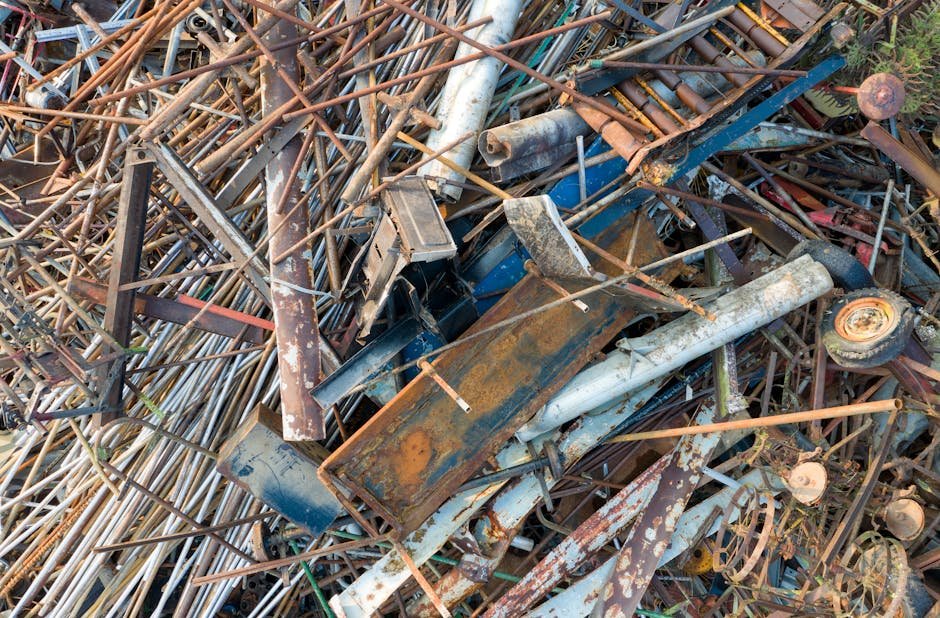

Finding a reputable scrap metal dealer Sunshine Coast is the first step toward responsible waste management and unlocking the hidden financial value in your industrial or household scrap. Whether you are a local contractor, a manufacturing plant, or a homeowner clearing out a shed, understanding how the scrap industry operates in Queensland is vital for maximizing your returns and ensuring environmental compliance. This guide serves as your authoritative resource for navigating the complexities of metal recycling, from identifying different grades of copper and aluminum to understanding the logistical requirements of large-scale site clearances.
The Role of a Scrap Metal Dealer Sunshine Coast
The scrap metal industry is a cornerstone of the circular economy. By acting as an intermediary between the source of waste and the smelting facilities, a professional scrap metal dealer Sunshine Coast ensures that valuable materials are diverted from landfills. In a region as environmentally sensitive as the Sunshine Coast, this role is critical. The process begins with collection and sorting, where skilled operators differentiate between various alloys and purity levels. This is not merely about clearing space; it is about resource recovery. For those operating in nearby regions, we also provide resources for those looking for a scrap metal dealer maleny to handle local agricultural or residential scrap needs. The industry relies on precise grading standards, which dictate the market value of your materials. When you bring your scrap to a dealer, you are participating in a global supply chain that reduces the energy-intensive process of mining raw ores. Whether you are looking to Sell Scrap Metal Near Me In 2026, the fundamentals remain the same: clean, sorted, and high-quality material commands the highest price. Our platform, Scrap Trade, provides the digital infrastructure to connect sellers with verified buyers across Australia, ensuring transparency in pricing and logistics.
Understanding Metal Grades: Ferrous vs. Non-Ferrous
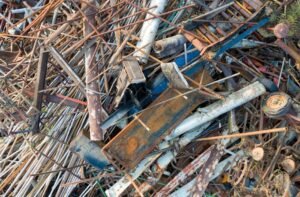
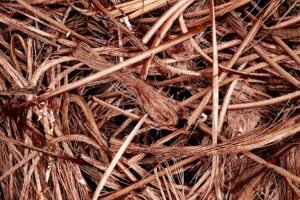
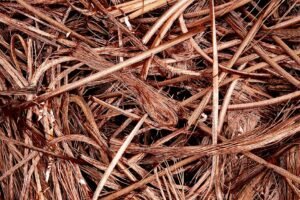
To maximize your profit, you must understand the distinction between ferrous and non-ferrous metals. Ferrous metals, such as iron and steel, contain iron and are generally magnetic. They are the backbone of construction and automotive industries. Non-ferrous metals, including copper, aluminum, brass, lead, and zinc, are highly valued for their resistance to corrosion and their infinite recyclability. Copper, in particular, is the gold standard of the scrap world. If you are dealing with electrical infrastructure, refer to our Telecom Scrap Metal Selling Guide to learn how to strip wire and prepare it for maximum payout. Aluminum is another high-volume commodity, found in everything from window frames to beverage cans. When grading, dealers look for contaminants. For example, ‘dirty’ aluminum—aluminum with plastic, rubber, or steel attachments—will be valued significantly lower than ‘clean’ aluminum. Understanding these nuances is what separates a novice seller from an expert. We often see clients comparing regional pricing, and while the Sunshine Coast has its own market dynamics, it is worth noting that the broader Australian market is influenced by international trends, similar to the market forces affecting a Scrap Dealer India. By cleaning your materials and removing non-metallic attachments, you increase the density and purity of your load, which is exactly what smelting facilities require.
The Recycling Process: From Site to Smelter
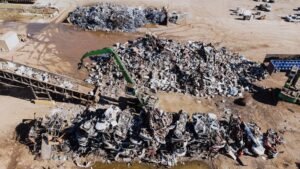
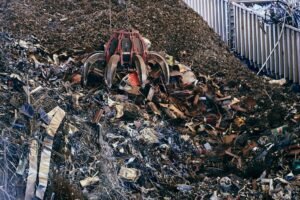
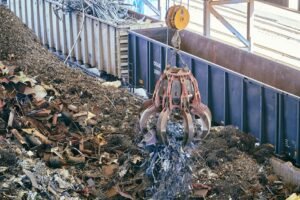
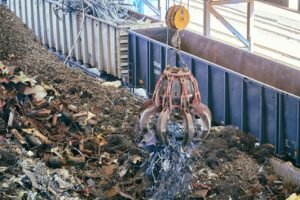
The journey of a piece of scrap metal is a sophisticated industrial process. Once the material is received at a facility, it undergoes a rigorous inspection. Large-scale scrap is often processed using hydraulic shears or shredders to reduce its size, making it easier to transport and melt. Magnetic separation is then used to pull ferrous metals from the mix, while eddy current separators are employed to isolate non-ferrous metals like aluminum. This mechanical sorting is highly efficient, but manual sorting still plays a role in high-value scrap. For those operating further south, our resources for scrap metal gold coast operations highlight the importance of localized logistics in managing heavy industrial loads. Once sorted, the metals are baled or compacted. These bales are then shipped to refineries where they are melted down into ingots. These ingots become the raw material for new products, effectively closing the loop. By utilizing the advanced tools provided by Scrap Trade Australia, businesses can track their metal recycling output and ensure they are meeting their sustainability KPIs. The energy savings from recycling are immense; for instance, recycling aluminum uses approximately 95% less energy than producing it from raw bauxite ore. This is the core environmental benefit of the industry.
Environmental Benefits and Sustainability
Recycling is more than just a business; it is an environmental imperative. The mining of virgin metals results in significant habitat destruction, water pollution, and massive carbon emissions. By choosing to recycle, you are directly contributing to the reduction of these environmental impacts. Every tonne of recycled steel saves over a tonne of iron ore, 600kg of coal, and 50kg of limestone. Furthermore, the reduction in landfill waste prevents hazardous substances, such as lead or cadmium, from leaching into the soil and groundwater. As the Sunshine Coast continues to grow, managing the waste stream from construction and demolition becomes increasingly vital. Responsible scrap dealers are the gatekeepers of this process, ensuring that hazardous materials are handled according to strict environmental regulations. By prioritizing recycling, we reduce the demand for new mining operations, preserving Australia’s natural landscapes for future generations. This commitment to sustainability is what drives the professional scrap metal industry forward.
Logistics and Site Clearances: Expert Tips
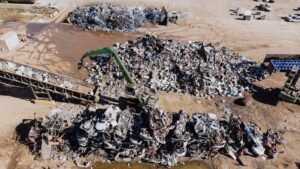
For large-scale projects, logistics are the most significant hurdle. If you are managing a demolition site or a large factory clean-out, you need a dealer who offers bin services and reliable transport. A professional dealer will provide roll-on, roll-off bins that can be placed on-site, allowing you to sort your scrap as you work. This ‘source separation’ is the most effective way to ensure you get the best price for your materials. Do not mix your copper with your steel; keep them in separate containers to avoid the ‘mixed scrap’ price, which is always the lowest. When scheduling a pickup, ensure your site is accessible for heavy vehicles. A 10-tonne truck needs significant turning space and a stable surface. Additionally, be aware of the safety protocols; scrap metal sites are industrial environments, and personal protective equipment (PPE) is mandatory. By planning your site clearance in advance, you can avoid costly delays and ensure that your scrap metal is processed efficiently and safely. Always check the dealer’s credentials to ensure they are licensed and compliant with local environmental laws.
Future Trends in Metal Recycling
The scrap metal industry is currently undergoing a digital transformation. We are moving away from manual ledgers and towards real-time pricing and digital tracking. As we look towards 2026, the integration of AI in sorting technology will further increase the purity of recycled alloys, making them more valuable to manufacturers. We are also seeing a shift towards ‘urban mining,’ where the focus is on recovering precious metals from electronic waste. This is a high-growth sector that requires specialized knowledge and equipment. Companies that invest in these technologies now will be the leaders of the industry in the coming decade. Whether you are a small-scale seller or a large industrial partner, staying informed about these trends will help you make better decisions about how and when to sell your scrap. The industry is becoming more transparent, more efficient, and more essential to the global economy than ever before.
Maximizing Your Returns: A Strategic Approach
To get the best price for your scrap, timing is everything. Metal markets are volatile and subject to global supply and demand. However, there are consistent strategies you can employ to ensure you are always getting a fair deal. First, build a relationship with your dealer. A consistent, high-quality supplier will always be prioritized. Second, keep your scrap clean. Remove plastic, wood, and non-metallic debris. Third, keep up to date with market prices. Use online resources to monitor the LME (London Metal Exchange) prices for copper, aluminum, and steel. Finally, be prepared to negotiate. If you have a large volume of high-grade material, you have leverage. Do not be afraid to ask for a better rate based on the quality and quantity of your load. By treating your scrap as a valuable commodity rather than just ‘rubbish,’ you change the way you interact with the recycling industry, and your bottom line will reflect that shift in perspective.
Conclusion: Choosing the Right Partner
Selecting the right partner for your scrap metal needs is a decision that impacts both your profitability and your environmental footprint. Whether you are in the heart of the Sunshine Coast or in the surrounding regions, the principles of quality, transparency, and reliability remain the same. We have explored the grades of metal, the recycling process, and the environmental imperatives that drive this industry. By following the tips outlined in this guide, you are well-equipped to navigate the market and make informed decisions. Remember that every piece of metal recycled is a contribution to a more sustainable future. Use the tools and resources available on our platform to stay connected with the best dealers and the latest market data. Your commitment to responsible recycling is what keeps the circular economy turning, and we are here to support you every step of the way.
Frequently Asked Questions
What is the most valuable scrap metal to collect?
Copper is generally the most valuable scrap metal due to its high demand in electrical and plumbing applications. Clean, bright copper wire and copper piping consistently fetch the highest prices per kilogram.
Does the scrap metal dealer Sunshine Coast accept all types of metal?
Most professional dealers accept a wide range of ferrous and non-ferrous metals, including steel, iron, copper, aluminum, brass, and lead. However, they may refuse hazardous materials like radioactive scrap, sealed containers, or items containing asbestos.
How should I prepare my scrap metal for sale?
To get the best price, sort your metals by type and remove any non-metallic contaminants like plastic, rubber, or wood. Keeping your materials clean and separated ensures the dealer can process them quickly and offer you a premium rate.
Why is the price of scrap metal constantly changing?
Scrap metal prices are determined by global market forces, including supply and demand, manufacturing output, and the price of virgin raw materials on the London Metal Exchange (LME). Local dealers adjust their rates based on these international benchmarks and local logistics costs.