
Navigating the landscape of scrap metal dealers in Sydney can be a daunting task for both individuals and businesses. Whether you are clearing out a residential garage in the North Shore or managing large-scale industrial waste in Western Sydney, understanding how to classify your materials and identify reputable buyers is crucial. As the demand for sustainable resource management grows across New South Wales, professional recycling has become more than just a way to earn extra cash; it is a vital component of Australia’s environmental strategy. By choosing the right partners for your recycling needs, you ensure that your materials are processed efficiently, safely, and in compliance with local regulations.
Understanding Metal Grades and Classification
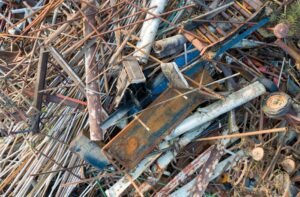
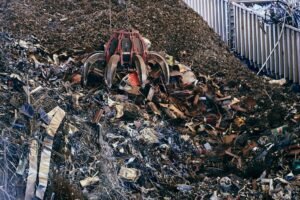
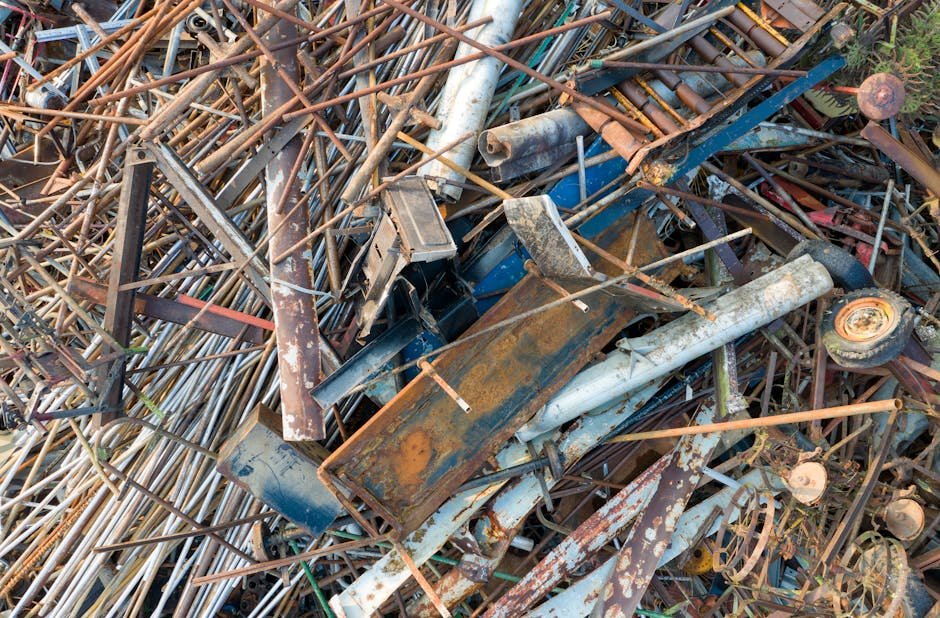
The value of your scrap is determined primarily by its grade. In the industry, metals are split into two main categories: ferrous and non-ferrous. Ferrous metals contain iron, are magnetic, and are generally more abundant. Common examples include mild steel, carbon steel, and cast iron, often found in construction debris or old machinery. Because of their weight and volume, they are handled in bulk by most scrap metal dealers in Sydney.
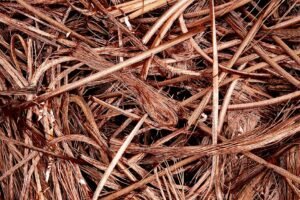
Non-ferrous metals, on the other hand, do not contain iron and are prized for their resistance to corrosion and their high conductivity. Copper, aluminium, brass, lead, and stainless steel fall into this category. Because these metals are more energy-intensive to mine and refine from raw ore, they command significantly higher prices. When you are looking to Sell Scrap Metal Near Me In 2026, knowing the difference between a high-grade copper pipe and a piece of low-grade steel can make a massive difference in your payout.
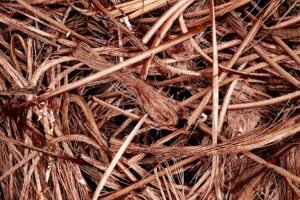
Beyond the basic categories, dealers look at the ‘cleanliness’ of the scrap. For instance, ‘clean’ copper wire—free of insulation, paint, or plastic attachments—is worth much more than ‘burnt’ or ‘contaminated’ wire. Taking the time to sort your materials before arriving at a yard is the most effective way to maximize your returns. We recommend checking the latest Scrap Metal Prices to understand market fluctuations before you head out.
How the Recycling Process Works
The journey of a piece of scrap metal from a demolition site in Greater Sydney to a new product is a fascinating industrial process. Once you drop off your materials at a facility offering Scrap Metal Recycling Near Me, the material undergoes a rigorous transformation. The first step is weighing and inspection. Using certified scales, dealers determine the exact mass of the load, ensuring transparent transactions.
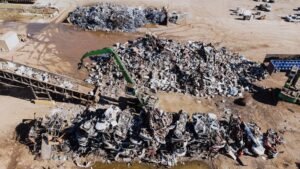
After weighing, the metal is sorted. Advanced facilities use magnetic separators to pull out ferrous metals, while non-ferrous metals are often sorted using eddy current separators or X-ray fluorescence (XRF) technology to identify the exact chemical composition of the alloy. Once sorted, the metal is processed. Large items are shredded into small pieces to make them easier to transport and melt. This shredding process is essential for removing contaminants like rubber, plastic, or dirt.
The final stage involves melting and purification. The shredded metal is placed into high-temperature furnaces. Once molten, it is purified and cast into ingots or billets. These are then sold to manufacturers to create everything from new car parts to structural beams for skyscrapers. By participating in this cycle, you are directly contributing to a reduction in the need for virgin ore mining, which is a resource-intensive and environmentally damaging process.
Environmental Benefits of Metal Recycling
The environmental impact of recycling scrap metal is profound. Mining virgin ore requires massive amounts of energy, water, and land, often leading to habitat destruction and significant carbon emissions. By recycling, we drastically reduce the energy required to produce new metal. For example, recycling aluminium uses approximately 95% less energy than producing it from bauxite ore. This energy saving translates directly into a lower carbon footprint for the manufacturing sector in New South Wales.
Furthermore, recycling keeps metal out of landfills. As Greater Sydney continues to expand, landfill space is becoming increasingly scarce and expensive. Metals that end up in landfills can leach harmful chemicals into the soil and groundwater as they oxidize over time. When you utilize professional scrap metal dealers in Sydney, you ensure that these materials are diverted from waste streams and kept in the circular economy. This is a core pillar of the sustainability goals shared by our platform, Scrap Trade Australia, which aims to streamline these connections between suppliers and processors.
Beyond energy savings, recycling reduces the demand for tailings dams and mining waste disposal sites. The mining industry is one of the largest producers of solid waste globally. By choosing to recycle, you are voting for a future where we rely on the wealth of materials already in circulation rather than the constant extraction of new resources from the earth.
Choosing the Right Partner for Your Needs
When searching for scrap metal services sydney, it is important to consider more than just the price. You need a partner that offers reliability, safety, and logistical support. For large-scale industrial projects, look for dealers that provide bin services. Having a skip bin on-site allows your team to segregate waste at the source, which improves safety and increases your potential earnings by preventing contamination.
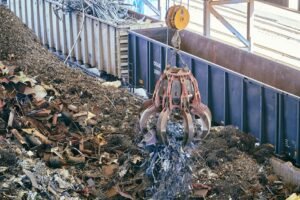
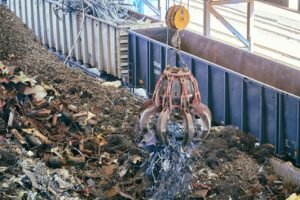
Safety is paramount in the scrap industry. Reputable dealers will have strict site safety protocols, including designated drop-off zones, traffic management, and clear signage. If you are dealing with large volumes, ensure the provider has the equipment necessary to handle heavy loads, such as forklifts, cranes, or heavy-duty magnets. A professional dealer will also provide accurate documentation, which is essential for businesses that need to track their waste management and sustainability reporting.
Whether you are in the bustling industrial hubs of Western Sydney or the residential streets of the North Shore, convenience is key. Look for dealers that offer efficient processing times so you aren’t stuck waiting in line. For those looking for scrap metal for cash sydney, ensure the facility is licensed and follows all local environmental regulations. A transparent dealer will always be happy to explain how they determine the value of your load, providing you with peace of mind and building a long-term, mutually beneficial relationship. For more resources and industry insights, visit our central hub at Scrap Trade.
Logistics and Industrial Scrap Management
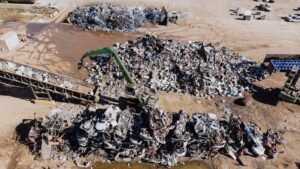
Managing scrap metal in a city as large as Sydney requires a sophisticated approach to logistics. Industrial clients often face the challenge of moving heavy, bulky, or awkward materials from construction sites or manufacturing plants. This is where specialized scrap metal services become invaluable. Top-tier dealers offer comprehensive collection services, including the deployment of various bin sizes, from small 2-cubic-meter bins to large 30-cubic-meter hook-lift containers.
Efficiency in logistics is not just about moving metal; it is about timing. In the construction industry, delays in waste removal can halt progress. By partnering with a dealer that understands the local geography of Greater Sydney, you ensure that collections are scheduled to avoid peak traffic hours, minimizing downtime. Furthermore, for businesses handling hazardous or complex scrap—such as lead-acid batteries or electronic waste—it is vital to work with a dealer who is fully certified to handle and dispose of these materials in accordance with EPA guidelines.
The financial aspect of industrial scrap management is also significant. Many businesses treat scrap as a waste cost rather than a revenue stream. By implementing a proper recycling program with a professional dealer, you can turn a cost center into a profit center. This involves auditing your waste stream, identifying high-value metals, and training staff on proper segregation. Over time, these small changes result in significant financial gains, especially when dealing with high-value non-ferrous metals like copper, brass, and stainless steel.
The Future of Recycling in Australia
The scrap metal industry is evolving rapidly. With the rise of digital platforms and improved tracking technologies, the process of buying and selling scrap is becoming more transparent and accessible. We are seeing a shift toward ‘circularity,’ where manufacturers are increasingly designing products with their end-of-life recyclability in mind. This design-for-recycling approach will make the work of scrap dealers even more important in the coming years.
Technology, such as automated sorting and AI-driven quality control, is also playing a larger role. These advancements allow dealers to process materials faster and with higher purity levels, which in turn commands better prices from end-user smelters. As a consumer or business owner in New South Wales, staying informed about these changes helps you make better decisions. Whether it is understanding new regulations or learning about the latest market trends, being an informed participant in the scrap industry benefits everyone.
Ultimately, the goal is to create a seamless system where metal never becomes ‘waste.’ By utilizing the services of professional dealers and committing to proper sorting and disposal, we are all contributing to a more sustainable Sydney. The transition to a circular economy is a collective effort, and every kilogram of metal recycled is a step toward a cleaner, more efficient, and more prosperous future for our city and our nation.
Expert Tips for Maximizing Your Scrap Value
To get the most out of your scrap, preparation is everything. Start by investing in a simple magnetic tool to test your metal. If it sticks, it’s ferrous (steel/iron); if it doesn’t, it’s likely a more valuable non-ferrous metal. Keep these two streams strictly separate. Mixing a small amount of steel into a load of copper can downgrade the entire batch, costing you money.
Next, remove any ‘non-metal’ attachments. Plastic handles on aluminium pots, rubber insulation on copper cables, and wooden frames on metal signs all act as contaminants. Dealers have to deduct the weight of these items, and often they will charge a fee for the labor required to remove them. By providing clean, ‘ready-to-melt’ material, you ensure that you receive the top-tier price for your scrap.
Finally, keep an eye on the market. Just like stocks or commodities, metal prices fluctuate based on global supply and demand. While you don’t need to be a day trader, knowing whether the market is trending up or down can help you decide when to clear out your storage. If you have a large volume of high-value scrap, don’t be afraid to call your local dealer and ask for a quote or discuss volume-based pricing. Building a rapport with your dealer is one of the best ways to ensure you are always getting a fair deal.
Frequently Asked Questions
What is the difference between ferrous and non-ferrous scrap?
Ferrous metals contain iron and are magnetic, such as steel and iron. Non-ferrous metals do not contain iron and are typically more valuable, including copper, aluminium, brass, and lead.
How can I get the best price for my scrap metal?
You can maximize your payout by sorting your metals by type and removing any non-metal contaminants like plastic, rubber, or wood. Providing clean, sorted material saves the dealer time and increases your profit.
Do I need to be a business to sell scrap metal in Sydney?
No, most scrap metal dealers in Sydney accept materials from both residential individuals and commercial businesses. However, always bring valid photo identification as it is required by law for all transactions.
Why is it important to recycle scrap metal?
Recycling metal saves significant amounts of energy compared to mining and refining virgin ore, reduces landfill waste, and helps conserve natural resources. It is a critical part of building a sustainable circular economy.