
When you are searching for reliable scrap metal removal Ingleburn services, you are tapping into a vital component of the Australian circular economy. Ingleburn, being a key industrial hub in South Western Sydney, generates a significant volume of metal waste, ranging from construction site debris to redundant manufacturing machinery. Understanding how to manage, sort, and dispose of these materials is not only a matter of operational efficiency but also a significant financial opportunity for businesses and residents alike.
Understanding Metal Grades: Ferrous vs. Non-Ferrous
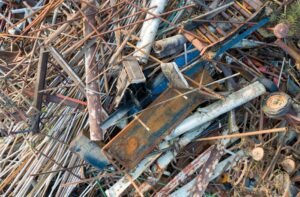
To maximize the value of your materials, it is essential to distinguish between the two primary categories of metal. Ferrous metals contain iron and are magnetic. This category includes steel, iron, and stainless steel. In the context of industrial demolition or residential cleanup, these are often the heaviest items, such as structural beams, piping, and old appliances. Because they are abundant, they typically command lower prices per tonne than their non-ferrous counterparts, but they remain the backbone of the recycling industry due to the massive volume processed.
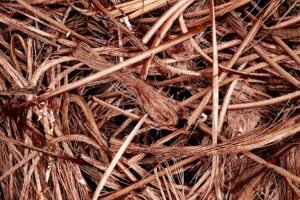
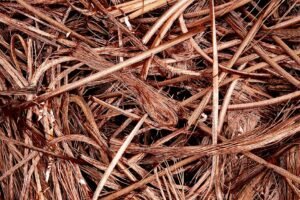
Non-ferrous metals are more valuable and include copper, aluminium, brass, lead, and zinc. These metals do not contain iron and are generally resistant to corrosion. If you are looking to Sell Scrap Metal Near Me In 2026, identifying these high-value metals is your first step toward a profitable return. Copper, in particular, is highly sought after due to its infinite recyclability and widespread use in electrical wiring and plumbing. When you engage with professional scrap metal removal Ingleburn teams, they will assist you in segregating these materials to ensure you receive the correct market rate.
Furthermore, understanding the specific grade of your metal—such as clean copper pipe versus copper with insulation—can significantly impact your bottom line. Contamination, such as plastic, rubber, or dirt, can downgrade the value of your scrap. Proper preparation is the most effective way to ensure you get the best Scrap Metal Prices available in the current market.
The Scrap Metal Recycling Process Explained
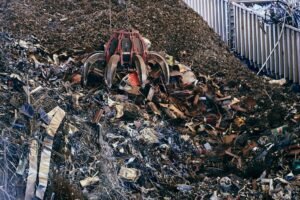
The journey from a discarded piece of machinery to a new, usable raw material is a sophisticated industrial process. Once you contact a service for scrap metal removal Ingleburn, the material is transported to a processing facility. The first stage is sorting. Using advanced technology like X-ray fluorescence (XRF) analyzers and magnetic separators, recyclers can identify the exact chemical composition of the scrap. This ensures that the purity levels required by steel mills and foundries are met.
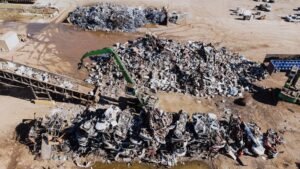
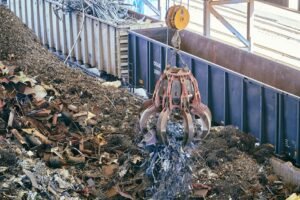
After sorting, the metal is often shredded or baled. Shredding reduces the volume of the scrap, making it easier to transport and process. For those searching for Scrap Metal Recycling Near Me, choosing a facility that employs high-efficiency shredding technology is beneficial because it results in a cleaner, more uniform product. Once shredded, the material is melted down in furnaces. Because metal can be recycled indefinitely without losing its physical properties, this process saves an immense amount of energy compared to mining and refining virgin ore.
For businesses in the Ingleburn area, utilizing local scrap metal buyers ingleburn is a strategic move. It reduces the carbon footprint associated with long-distance transportation and supports the local economy. Whether you are a small trade business or a large manufacturing plant, streamlining your waste stream through a reputable scrap metal trading platform ensures that your scrap is handled with environmental integrity.
Environmental Benefits of Metal Recycling
The environmental impact of recycling cannot be overstated. Mining virgin ore is an energy-intensive process that involves massive land disruption, water pollution, and greenhouse gas emissions. By choosing to recycle, you are directly contributing to the reduction of these negative externalities. For every tonne of steel recycled, the industry saves approximately 1,100 kilograms of iron ore, 630 kilograms of coal, and 55 kilograms of limestone.
In Ingleburn, the industrial sector has a unique opportunity to lead by example. By implementing robust waste management protocols and working with professional sell scrap metal ingleburn services, companies can significantly reduce their Scope 3 emissions. This is increasingly important as regulatory pressure on businesses to report their environmental, social, and governance (ESG) performance grows. Recycling metal is one of the most effective ways to lower your footprint, as it requires up to 95% less energy to produce aluminium from recycled scrap than from bauxite ore.
Beyond energy savings, recycling prevents metals from ending up in landfills. Heavy metals in landfills can leach into soil and groundwater, posing long-term ecological risks. By ensuring that your scrap is collected and processed by authorized facilities, you are protecting the local Ingleburn ecosystem and ensuring that valuable resources are kept in the production cycle.
Logistics and Practical Tips for Scrap Removal
Effective scrap management is as much about logistics as it is about the materials themselves. For large-scale projects, such as site clearances or factory decommissioning, coordinating the removal is critical. Start by conducting an audit of the scrap on your premises. Categorize it by type and assess the volume. If you have large, bulky items, you will need a provider that offers skip bin services or heavy-duty crane trucks.
Safety is paramount during the removal process. Ensure that all scrap is stored in an area accessible to heavy vehicles. If you are dealing with hazardous materials or specialized equipment, communicate this to your Australian scrap metal trading experts beforehand. They can provide guidance on safe handling and ensure that the removal process complies with Work Health and Safety (WHS) regulations. Remember, a clean, organized site is a safer site, and it often results in better pricing as the scrap is easier for the buyer to handle and process.
When scheduling your pickup, consider the timing. During peak industrial demand, demand for scrap can fluctuate. Keeping an eye on market trends via reliable price trackers will help you decide when to move your accumulated stock. By building a long-term relationship with a trusted local buyer, you can secure consistent service and potentially negotiate better rates based on your volume and the quality of your material.
Economic Impact and Industry Trends in 2026
As we head into 2026, the scrap metal industry is undergoing a digital transformation. The integration of real-time pricing data and digital marketplaces has made it easier than ever for sellers to find the best value for their materials. The demand for recycled metals is rising, driven by the global transition to renewable energy technologies, which are heavily reliant on copper and aluminium. This shift is creating a high-demand environment for scrap, making it a lucrative time to be a seller.
Furthermore, the focus on ‘circularity’ is shifting from a buzzword to a core business strategy. Companies that effectively manage their metal waste are finding that they can turn a cost center into a revenue stream. By partnering with local Ingleburn specialists, you are not just clearing space—you are participating in a sophisticated global supply chain. The ability to track your scrap from pickup to final melt is becoming a standard expectation, providing transparency and accountability that was previously lacking in the industry.
The future of the industry also lies in better sorting technology. Advances in robotics and AI-driven sorting are allowing recyclers to recover materials that were previously considered ‘too difficult’ or ‘contaminated.’ This means that even if you have mixed loads, it is worth discussing your options with a professional buyer. They may have the capacity to process materials that you previously thought were destined for the bin.
Choosing the Right Partner for Your Scrap Needs
Selecting the right partner for your scrap removal needs is a decision that involves trust, reliability, and financial transparency. You want a provider that offers fair, market-linked pricing and, crucially, one that provides accurate weighing and documentation. Always ask for a weight docket or a detailed receipt for your scrap. This provides you with an audit trail, which is essential for business compliance and financial reporting.
Look for companies that are members of recognized industry bodies and that demonstrate a commitment to safety and environmental standards. A professional company will be transparent about their processes and happy to answer questions about how your metal is being recycled. They should be able to provide advice on how to store and segregate your scrap to maximize its value. In Ingleburn, there are several operators, but the best ones are those that treat scrap management as a service-oriented partnership rather than just a transaction.
Finally, consider the convenience factor. Does the provider offer scheduled pickups? Do they have the equipment to handle your specific volume? Can they provide specialized containers? These logistical details can save you significant time and administrative effort. By investing the time to find the right partner now, you will reap the rewards of a smooth, profitable, and environmentally responsible scrap management program for years to come.
Conclusion: The Value of Responsible Recycling
The management of scrap metal is a critical activity that bridges the gap between industrial waste and raw material production. For those in Ingleburn, the availability of professional services makes it easy to handle this process responsibly and profitably. Whether you are dealing with small amounts of copper wiring or massive quantities of structural steel, the principles remain the same: sort, store, and sell with a focus on quality and environmental compliance.
By engaging with experts, you are not just clearing your site; you are contributing to a global effort to reduce energy consumption and preserve natural resources. The scrap metal industry is evolving, and by staying informed and choosing the right partners, you can ensure that you are getting the most out of your materials while supporting a sustainable future. Remember, every piece of metal recycled is a step toward a more efficient and cleaner economy. Start your journey today by auditing your site, identifying your grades, and reaching out to a professional service to begin your recycling program.
Frequently Asked Questions
What is the difference between ferrous and non-ferrous scrap?
Ferrous metals contain iron and are magnetic, such as steel and iron. Non-ferrous metals do not contain iron and include valuable materials like copper, aluminium, and brass, which are generally more resistant to corrosion.
How can I get the best price for my scrap metal?
To maximize your return, ensure your scrap is clean and free of contaminants like plastic, rubber, or dirt. Sorting your materials by grade before pickup or drop-off will also help you secure the highest current market rates.
Why is it important to use a professional scrap metal removal service?
Professional services ensure that your scrap is handled safely and legally, adhering to environmental regulations. They also provide accurate weighing and documentation, which is essential for business compliance and ensuring you are paid fairly.
Does recycling metal really help the environment?
Yes, recycling metal significantly reduces the need for energy-intensive mining and refining of virgin ore. It saves vast amounts of energy, reduces greenhouse gas emissions, and prevents heavy metals from leaching into landfills.