
Professional Steel Recyclers Artarmon: The Complete Guide
When searching for reliable steel recyclers Artarmon, it is critical to understand the nuances of the scrap metal industry, from grading standards to the environmental benefits of repurposing ferrous metals. Whether you are a construction firm clearing a site or a local resident disposing of household items, partnering with an established recycling facility ensures that your scrap steel is processed efficiently and sustainably. This guide explores the end-to-end journey of steel recycling, helping you navigate the complexities of the market while maximizing the value of your materials.
The Importance of Professional Steel Recycling in Artarmon
Steel is the most recycled material on the planet, and for good reason—it can be melted down and reformed infinitely without losing its inherent properties. As a hub for industrial and commercial activity, Artarmon requires robust infrastructure to handle the volume of scrap steel generated by ongoing development. Professional steel recyclers Artarmon play a pivotal role in this ecosystem, acting as the bridge between waste generators and the steel mills that require raw material inputs.
By choosing a certified recycling centre, businesses and individuals contribute to a significant reduction in energy consumption. Producing steel from recycled scrap requires up to 75% less energy than producing it from virgin iron ore. This process not only preserves natural resources but also significantly lowers the carbon footprint associated with mining and refining. Our platform, Scrap Trade, provides the necessary tools and data to help you connect with the right facilities to ensure your materials are handled according to the highest environmental standards.
Understanding the Steel Recycling Process
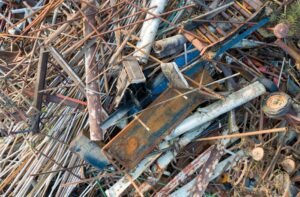
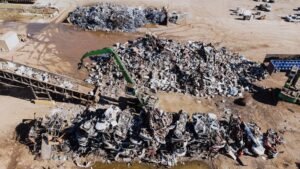
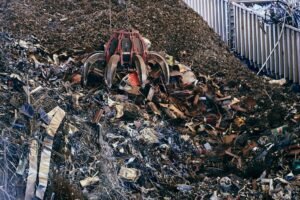
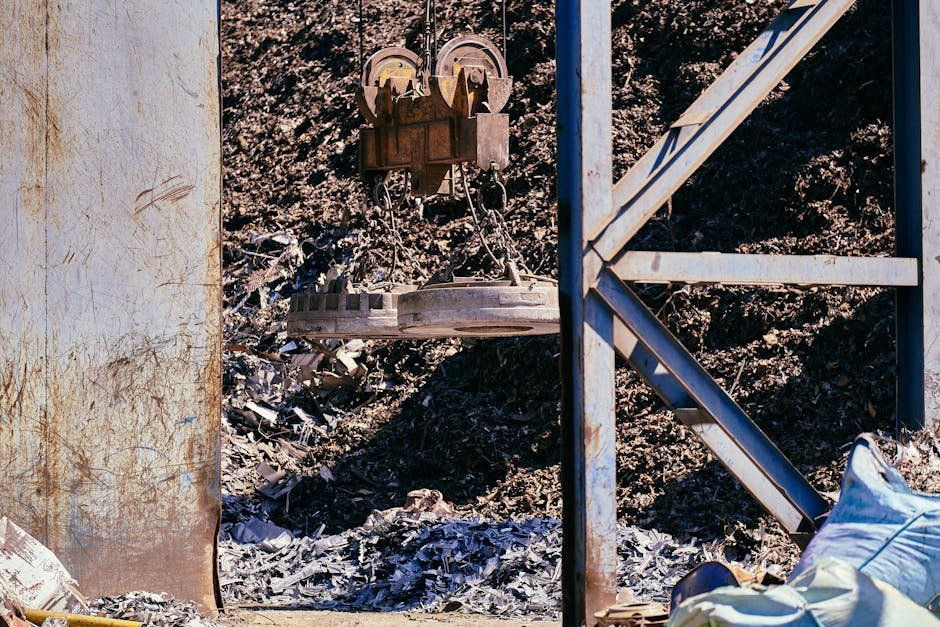
The recycling process at a professional facility is a highly engineered operation designed to sort, clean, and prepare scrap for the furnace. Upon arrival, scrap steel is weighed and inspected. The first step in professional processing involves sorting ferrous metal from non-ferrous contaminants. This is typically done using high-powered magnets and sensor-based sorting technologies.
Once separated, the material is classified. Understanding how your scrap is categorized is essential, as this directly impacts the value you receive. For those looking to understand the technical side of this, our guide on Steel Scrap Grading 1 Prepared 2 Prepared Shredded offers a deep dive into the industry standards that dictate pricing. After grading, the steel is often sheared or shredded to reduce its physical size, making it easier to transport and melt. The resulting product is then shipped to steel mills, where it is melted into molten steel, cast into billets or slabs, and eventually rolled into new products like beams, pipes, or sheet metal.
Drop-Off vs. Pickup Service: Which is Right for You?
Choosing between a drop off and a pickup service depends largely on the volume and nature of your scrap. For residential customers or small businesses with manageable quantities, dropping off materials at a local facility is often the most cost-effective solution. It allows for immediate weighing and payment, providing a quick turnaround for your scrap.
Conversely, for large-scale industrial projects, a professional pickup service is indispensable. These services often involve the placement of specialized bins or skips on-site, allowing for the systematic accumulation of scrap steel over the duration of a project. This not only keeps the site clean and safe but also streamlines the logistics of heavy-metal transport. If you are a business owner, understanding How Recyclers Find Industrial Scrap Sellers can help you establish long-term contracts that ensure consistent and reliable removal of your waste materials.
Market Factors: Understanding Steel Price Per Tonne
The steel price per tonne is a dynamic figure, influenced by global supply and demand, international trade policies, and energy costs. Because steel is a global commodity, local prices in Artarmon are often tethered to international benchmarks. Factors such as the purity of the steel, the presence of contaminants, and the current state of the construction industry all play a role in determining the final payout.
It is important to note that different types of steel command different prices. For instance, high-grade mild steel is valued differently than alloyed steel. If you are dealing with high-value materials, you should also check the current Stainless Steel Scrap Price to ensure you are receiving a fair market valuation. Staying informed through resources like Scrap Trade Australia can provide you with the transparency needed to make informed financial decisions regarding your scrap inventory.
Beyond Steel: A Comprehensive Recycling Approach
While steel is a primary focus for many, a full-service recycling facility handles a wide array of materials. If you are clearing out a site, you will likely encounter other metals that should not be discarded in general waste. For example, if you have non-ferrous metals on-site, you should search for aluminium recyclers artarmon to handle those specific streams. Similarly, specialized workshops often generate high-value scrap that requires specific handling, such as items managed by artarmon brass recyclers.
Integrating your recycling strategy ensures that you aren’t just disposing of steel, but maximizing the recovery of all valuable resources. This holistic approach is not only better for your bottom line but also significantly enhances the sustainability profile of your operations. By separating your waste at the source, you ensure that each material stream is processed in the most efficient manner possible, preventing cross-contamination and increasing the overall recovery rate of the recycling facility.
The Environmental Impact of Recycling
The environmental case for using steel recyclers Artarmon is compelling. By diverting steel from landfills, we prevent the leaching of heavy metals into local soil and groundwater. Furthermore, the energy savings mentioned earlier translate into a massive reduction in greenhouse gas emissions. Every tonne of recycled steel saves over a tonne of iron ore, 630 kg of coal, and 55 kg of limestone.
As urban density increases, the responsible management of industrial and construction waste becomes a matter of public health and environmental stewardship. Modern recycling facilities in Artarmon utilize advanced filtration and emission control systems, ensuring that the processing of scrap does not negatively impact the local air quality. By participating in this system, you are directly contributing to a cleaner, more resource-efficient future for the region.
Practical Tips for Preparing Your Scrap Steel
To get the best value and ensure a smooth experience when visiting a recycling centre, preparation is key. First, ensure your scrap is free of hazardous materials. Items containing asbestos, oils, or chemicals are strictly prohibited and can lead to significant fines or rejection of your load. Second, try to separate your metals. While it may seem like extra work, separating mild steel from other metals or removing heavy plastic and rubber attachments will significantly increase the quality of your scrap and, consequently, your return.
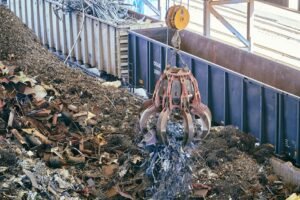
Third, keep your documentation in order. For commercial sellers, having clear records of where the scrap originated can be helpful for compliance purposes. Finally, contact the recycler before arriving, especially if you have a large or unusual load. They can provide guidance on the best time to drop off and ensure that they have the necessary equipment, such as heavy-duty cranes or forklifts, to unload your vehicle safely and efficiently.
Conclusion: Choosing the Right Partner
Navigating the world of scrap metal requires a partner who is transparent, efficient, and environmentally conscious. Whether you are looking for steel recyclers Artarmon to handle a one-off project or seeking a long-term partner for industrial waste management, the goal remains the same: to turn waste into a valuable resource. By understanding the grading process, staying updated on market pricing, and utilizing professional pickup services, you can ensure that your scrap metal contributes positively to the economy and the environment.
Remember that the value of your scrap is not just in the payout, but in the contribution to a circular economy. As you continue your recycling journey, keep these best practices in mind and leverage the expertise of established industry platforms to stay ahead of the curve. With the right approach, your scrap steel can become the foundation for the next generation of infrastructure, proving that responsible recycling is the cornerstone of sustainable industrial development.
Frequently Asked Questions
What items are accepted by steel recyclers in Artarmon?
Most recyclers accept a wide range of ferrous materials, including structural beams, sheet metal, rebar, old machinery, and household steel appliances. Always ensure materials are free from hazardous contaminants like oil or asbestos before drop-off.
How is the price of scrap steel determined?
The price is determined by global market demand, the purity of the steel, and the specific grade of the material. Higher quality, pre-sorted scrap typically fetches a better price than mixed or contaminated loads.
Do I need an appointment to drop off scrap metal?
While small quantities can often be dropped off during business hours without an appointment, it is highly recommended to call ahead if you have a large load or require special unloading equipment. This ensures staff are prepared to assist you efficiently.
What is the benefit of using a professional pickup service?
A pickup service is ideal for large-scale industrial projects, as it saves you time and logistics costs. Professional recyclers provide specialized bins and handle the heavy lifting, ensuring your site remains clean and compliant with safety regulations.