
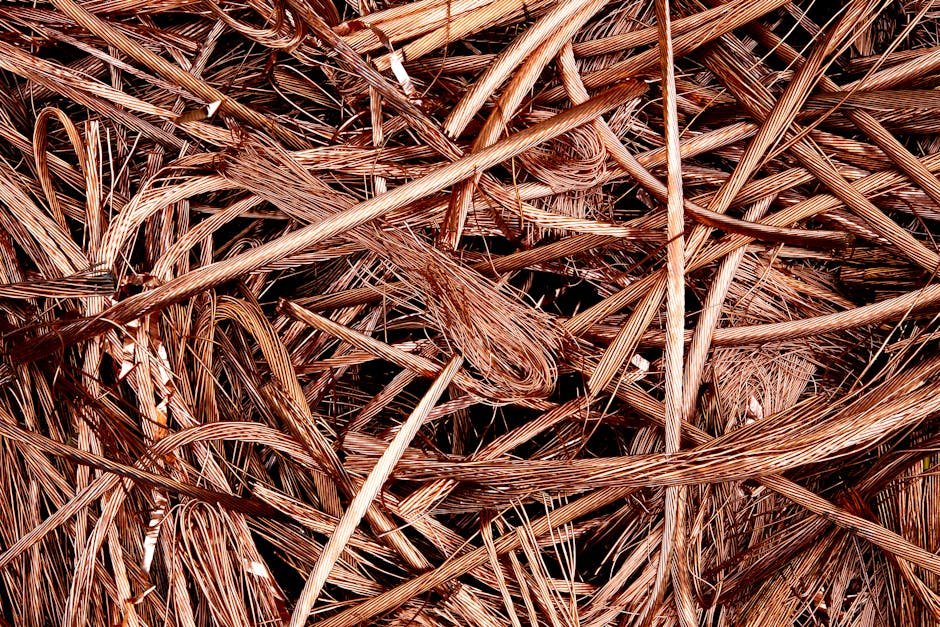

When you are looking for a reliable punchbowl scrap copper pick up service, understanding the nuances of the local market is essential for maximizing your returns. Whether you are a trade professional clearing a worksite or a homeowner cleaning out a garage, the process of recycling Scrap Copper involves specific knowledge of metal grades, market fluctuations, and logistics. By choosing a professional service for your punchbowl scrap copper pick up, you ensure that your materials are handled in compliance with environmental regulations while securing the best possible Scrap Copper Prices Near Me. This guide serves as your authoritative resource for navigating the complexities of the copper trade in Western Sydney.
Understanding Copper Grades and Market Value
The value of your scrap is primarily determined by its purity and the level of processing required to refine it. In the industry, we categorize copper into distinct grades. Bare bright copper is the gold standard; it consists of clean, unalloyed, uncoated copper wire or cable, free of insulation, paint, or oxidation. Because it requires minimal processing, it commands the highest price per kg. Next is number 2 copper, which includes copper that may have slight oxidation, thin coatings, or small amounts of solder, yet still maintains a high copper content. Understanding these grades is critical when you request a Professional Scrap Copper Pick Up Punchbowl: A Complete Guide, as it allows you to sort your material beforehand to ensure you are paid accurately for the quality of the metal you have provided.
Copper pipe is another major component of the scrap stream. Plumbers and renovation contractors often accumulate large quantities of copper piping. To maximize returns, ensure that pipes are free of brass fittings, plastic attachments, or heavy calcification. When you arrange a punchbowl scrap copper pick up, the collector will assess the pipe based on its cleanliness. Contaminated copper, such as pipe with soldered joints or heavy paint, is often downgraded to a lower category, which directly impacts the total payout. By keeping your copper pipe separate from other non-ferrous metals, you streamline the sorting process and demonstrate professionalism that often leads to better long-term relationships with your scrap merchant.
The Logistics of Professional Scrap Collection
For many businesses and large-scale residential projects, transporting heavy loads of metal to a yard is impractical. This is where a dedicated collection service becomes an invaluable asset. When you search for Pick Up Scrap Metal For Cash Near Me, you are looking for a partner that provides efficient, timely, and safe removal. A professional operator will arrive with the necessary equipment, such as calibrated scales and flatbed trucks, to handle the weight and volume of your scrap. They also provide safety documentation, which is increasingly important for commercial sites that require strict adherence to work health and safety (WHS) protocols.
The logistics of the pick-up process involve more than just loading metal onto a truck. It involves accurate weighing, transparent grading, and immediate payment processing. Leading industry players like Scrap Trade and Scrap Trade Australia emphasize the importance of digital weighing systems that provide the customer with a clear breakdown of the weight and the current market rate for each specific grade. This transparency is the cornerstone of the modern scrap metal industry. When you engage a service, ask about their lead times and their capacity to handle specific volumes. Large-scale industrial operations may require skip bin services, while smaller residential clean-ups might be better suited for a scheduled van pick-up.
Environmental Impact and the Circular Economy
Recycling copper is one of the most effective ways to reduce the environmental footprint of the construction and manufacturing industries. Copper is 100% recyclable without losing any of its chemical or physical properties, meaning it can be melted down and repurposed indefinitely. By choosing to recycle your copper through a professional pick-up service, you are actively participating in the circular economy, which significantly reduces the energy-intensive process of mining and refining virgin copper ore. Mining is a destructive process that requires massive land clearing and chemical processing; recycling, by contrast, uses up to 85% less energy than primary production.
Furthermore, the environmental benefits extend to the reduction of landfill waste. When copper scrap is discarded as general waste, it contributes to the accumulation of heavy metals in soil and groundwater. Professional recycling ensures that these materials are diverted from landfills and processed in facilities that utilize advanced filtration and emission controls. This commitment to sustainability is not just good for the planet; it is a regulatory requirement in many Australian jurisdictions. By working with certified recyclers, you ensure that your waste management practices align with modern environmental standards, which can be a key selling point for businesses aiming to improve their ESG (Environmental, Social, and Governance) rating.
Maximizing Your Returns: Tips for Success
To get the most out of your scrap, preparation is key. Start by segregating your materials at the source. If you are stripping copper wire, use high-quality wire stripping tools to remove insulation. While insulated wire has value, the copper content is significantly lower than that of bare bright copper. If you have large quantities of copper, consider the timing of your sale. The global copper market is volatile and influenced by factors such as construction activity, geopolitical stability, and the demand for electric vehicles. Keeping an eye on the daily copper price per kg can help you decide when it is the most advantageous time to schedule your pick-up.
Another tip is to maintain a clean workspace. Contamination is the biggest enemy of high scrap value. Keep your copper away from steel, aluminum, and plastic waste. If you are storing scrap on-site, use labeled containers to prevent cross-contamination. This simple habit saves hours of sorting time later and ensures that your scrap is categorized as high-grade material. When the collector arrives, have your scrap easily accessible. Reducing the time the collector spends on-site often makes them more willing to provide competitive rates, as it improves their operational efficiency. Finally, always keep records of your transactions. This is not only helpful for your own financial tracking but also serves as proof of responsible waste disposal, which is often required for tax and audit purposes in the construction industry.
The Future of Copper Recycling in Australia
As Australia moves toward a greener energy grid, the demand for copper is projected to skyrocket. Copper is a vital component in wind turbines, solar panels, and the electrical infrastructure required for electric vehicle charging stations. This long-term increase in demand is expected to keep the scrap copper market robust for the foreseeable future. For those in Punchbowl and the wider Sydney region, this means that scrap copper will remain a valuable commodity. Investing time in building a relationship with a reliable scrap dealer now will pay dividends as the market evolves.
Technological advancements in the recycling sector are also changing the game. We are seeing more sophisticated sorting technologies, such as X-ray fluorescence (XRF) analyzers, being used to instantly identify the chemical composition of metal alloys. This technology ensures that you get paid exactly what your material is worth, removing the guesswork from the grading process. As these technologies become more accessible to local scrap yards, the industry will become even more transparent and efficient. By engaging with modern, tech-forward recycling services, you are positioning yourself at the forefront of this industrial shift, ensuring that your scrap metal contributes to a more sustainable and profitable future.
Case Study: Optimizing Industrial Scrap Management
Consider a hypothetical mid-sized electrical contracting firm in Punchbowl. They were previously throwing away large quantities of off-cut copper wire and damaged conduit. By implementing a dedicated scrap management system, they began separating their waste into specific bins for bare bright, insulated, and mixed copper. They established a recurring monthly pick-up schedule with a professional service. Within six months, the firm reported a 40% increase in revenue from their waste stream, effectively turning a cost center into a profit center. This case illustrates that the value of scrap is not just in the metal itself, but in the systems you put in place to manage it.
The firm also noted that their site safety improved significantly. By having a clear plan for scrap removal, they reduced the clutter on their job sites, which led to fewer tripping hazards and a more organized workflow. This is a common, yet often overlooked, benefit of professional scrap collection. When you treat your scrap with the same level of care as your primary materials, you create a culture of discipline and efficiency that permeates your entire business. Whether you are a small business owner or a project manager for a large development, the lessons remain the same: organize, segregate, and partner with professionals to unlock the hidden value in your waste.
Conclusion: Taking Action
The decision to recycle your copper is a decision to support a more sustainable industry and a more profitable business model. From understanding the difference between bare bright and number 2 copper to recognizing the importance of environmental responsibility, you are now equipped with the knowledge to make informed decisions. The next step is to reach out to a trusted partner who can provide the service you need. Whether you have a small pile of plumbing scraps or a warehouse full of industrial cables, there is a solution that fits your requirements. Start by auditing your current waste stream, separating your grades, and contacting a professional service to discuss your collection needs. Your commitment to recycling today ensures that the resources of tomorrow are preserved, while simultaneously putting cash back into your pocket.
Frequently Asked Questions
What is the difference between bare bright copper and number 2 copper?
Bare bright copper is clean, unalloyed, and uncoated wire that is free of any oxidation, making it the highest-value grade. Number 2 copper includes wire or pipe that may have slight oxidation, thin coatings, or minor solder, resulting in a slightly lower market value than bare bright.
How can I maximize the price I get for my scrap copper?
To maximize your returns, always strip your wires of insulation, keep your copper clean of contaminants like brass or plastic, and sort your grades into separate piles. Scheduling a regular pick-up for larger volumes also helps in negotiating better rates with your recycler.
Does my scrap copper need to be cleaned before a pick-up?
While not strictly required, cleaning your copper by removing insulation, paint, and foreign attachments significantly increases its value. Professional collectors prefer clean material as it is easier to grade and process, which often leads to a faster and more accurate payment.
Why should I choose a professional pick-up service over taking it to a yard myself?
A professional pick-up service saves you time and the logistical costs of transporting heavy materials. They provide accurate on-site weighing, professional handling, and, in many cases, immediate payment, making it the most efficient solution for large-scale or commercial scrap management.











