
To purchase scrap metal effectively, whether for industrial use, artistic projects, or trading purposes, requires a foundational understanding of the industry’s structure. This comprehensive guide will demystify the grades of scrap, detail the intricate journey of recycling, and highlight the profound environmental and economic benefits of choosing to purchase scrap metal as a raw material. Understanding this process is key to making informed decisions that benefit both your project and the planet.
Understanding the Different Grades of Scrap Metal
The first step to successfully purchase scrap metal is learning to speak the language of grades. Scrap metal is categorised based on its type, composition, and level of preparation. This grading system is universal, ensuring fair and consistent pricing across the market. The two primary categories are ferrous and non-ferrous metals.
Ferrous Metals: The Iron and Steel Giants
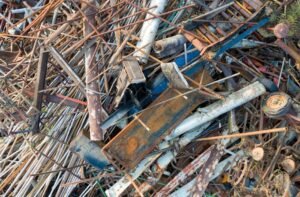
Ferrous metals contain iron, making them magnetic and susceptible to rust. They constitute the bulk of the scrap metal stream by weight. Common grades include:
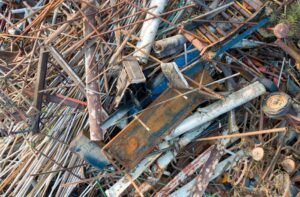
- Heavy Melting Steel (HMS 1 & 2): This is prepared steel from demolished structures and machinery. HMS 1 is cleaner, larger pieces (min. 1/4 inch thick), while HMS 2 may include thinner, rusted, or painted scrap.
- Cast Iron: Recognisable by its gritty, crystalline break, it comes from engine blocks, pipes, and old bathtubs. It’s brittle and has a higher carbon content than steel.
- Shredded Scrap: Processed through a giant shredder, this homogenous mix of crushed cars and light iron is a highly desirable feed for electric arc furnaces (EAFs).
- Turnings: The curly shavings and chips produced from machining steel parts. They must be clean and free of oils to achieve the best grade.
For the most current market rates on these and other materials, always check live Scrap Metal Prices before making a deal.
Non-Ferrous Metals: The High-Value Players
Non-ferrous metals do not contain iron, making them non-magnetic and highly resistant to corrosion. They are far more valuable per kilogram than ferrous scrap. Key grades include:
- Copper: The king of scrap. Grades range from #1 (clean, uncoated wire and tubing) to #2 (painted or soldered) and light copper (thin sheet).
- Aluminium: Grades include extrusion (clean window frames), sheet (clean siding), cast (engine parts), and contaminated mixed aluminium.
- Stainless Steel: A special ferrous alloy that behaves like non-ferrous due to its chromium content. Grades are separated by series (e.g., 304 vs. 316).
- Brass: An alloy of copper and zinc. Clean brass fittings (yellow brass) command a higher price than red brass or brass with attachments.
- Lead, Zinc, and Nickel: Less common but still valuable, often found in specific industrial applications and batteries.
The Scrap Metal Recycling Process: From Waste to New Product
When you decide to purchase scrap metal, you are buying into the final stage of one lifecycle and the beginning of another. The recycling process is a sophisticated, multi-stage operation that ensures materials are recovered efficiently and to a high standard of purity.
1. Collection and Sorting
The journey begins at collection points, including public drop-offs, commercial bin services, and dedicated facilities where individuals can Sell Scrap Metal Near Me In 2026. Initial sorting often happens here, separating ferrous from non-ferrous using powerful magnets. Further manual and mechanical sorting separates metals by type and grade.
2. Processing and Preparation
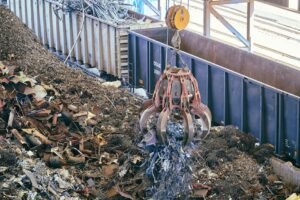
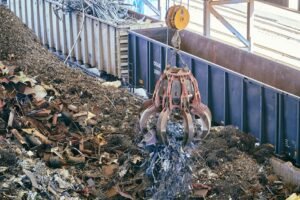
To increase value and processing efficiency, scrap is prepared. This involves shearing (cutting large pieces), baling (compressing into blocks), and shredding (using hammer mills to tear metal into small, uniform pieces). Shredding is particularly effective as it allows for advanced separation techniques and creates an ideal furnace feed.
3. Melting and Purification
Sorted and prepared scrap is transported to mills and foundries. It is charged into massive furnaces—electric arc furnaces (EAFs) for steel or reverberatory furnaces for aluminium. The metal is melted at extremely high temperatures. During this melt, samples are taken to ensure chemical composition meets specifications. Impurities are removed as slag, which can sometimes be used in construction.
4. Solidification and Manufacturing
The molten metal is poured into moulds to form ingots, billets, or slabs. These primary forms are then sold to manufacturers who roll, extrude, or forge them into new products. A recycled aluminium can may be back on the shelf as a new can in as little as 60 days, a powerful example of the circular economy in action. For businesses looking to source materials on a larger scale, understanding the logistics of scrap metal export is crucial.
The Significant Environmental Benefits of Recycling Scrap Metal
Choosing to purchase scrap metal is one of the most impactful green decisions a business or individual can make. The environmental advantages are staggering and well-documented.
Massive Energy Savings
Producing metal from recycled scrap consumes a fraction of the energy required to mine and process virgin ore. The energy savings are profound: recycling aluminium saves up to 95% of the energy, steel saves about 60-74%, and copper saves approximately 85%. This directly translates to a massive reduction in fossil fuel consumption and associated greenhouse gas emissions.
Conservation of Natural Resources
Metal mining is extraordinarily destructive, involving open-pit mines, habitat destruction, and soil erosion. By creating a closed-loop system, recycling conserves finite natural resources. It is estimated that recycling one tonne of steel conserves 1,100 kilograms of iron ore, 630 kilograms of coal, and 55 kilograms of limestone.
Reduction in Landfill Waste
Metal is permanent; it does not decompose in landfills. Recycling diverts millions of tonnes of metal scrap from landfills annually, preserving valuable land space and preventing soil and water table contamination from potential leachate.
Lower Carbon Footprint
The reduced energy demand directly correlates to lower carbon dioxide (CO2) emissions. The steel industry, for example, has stated that recycling saves over 200 million tonnes of CO2 emissions globally each year—equivalent to taking millions of cars off the road. Using a reputable Scrap Metal Recycling Near Me service ensures your metal is processed in an environmentally responsible manner, maximising these benefits.
Why Businesses Choose to Purchase Scrap Metal
Beyond the environmental imperative, there are compelling economic and practical reasons for manufacturers and fabricators to source recycled metal.
- Cost-Effectiveness: Scrap metal is almost always less expensive than virgin material, providing significant savings on raw material costs, which is crucial for staying competitive.
- Supply Chain Stability: The supply of scrap is generally more consistent and reliable than the supply of virgin ore, which can be subject to geopolitical issues, mining strikes, and logistical delays.
- Meeting Sustainability Goals: Many corporations now have stringent Environmental, Social, and Governance (ESG) targets. Using recycled content is a verifiable way to reduce a product’s carbon footprint and appeal to eco-conscious consumers.
- High Quality: Modern recycling produces secondary metals that are virtually identical in quality and performance to their virgin counterparts, making them suitable for even the most demanding applications.
Practical Tips for Purchasing Scrap Metal
Whether you’re a hobbyist or a procurement manager, these tips will ensure you get the right material for your needs at a fair price.
- Know Exactly What You Need: Specify the metal type, grade, and required form (e.g., shredded, ingot, turnings). Ambiguity leads to costly mistakes.
- Partner with a Reputable Merchant: Work with established, certified yards like Scrap Trade that can provide material certifications and traceability. This guarantees quality and responsible sourcing.
- Understand Pricing Structures: Prices are volatile and based on weight, grade, and global commodities markets. Build a relationship with your supplier to get the best advice and pricing.
- Consider Logistics: Factor in the cost and feasibility of transporting the material. Some suppliers offer delivery services, which can be more economical for large orders.
- Ask About Contamination: Ensure the scrap has been properly processed to minimise contaminants like plastics, rubber, or other metals, which can affect your manufacturing process.
The Economic Impact and Circular Economy
The decision to purchase scrap metal is a powerful driver for a sustainable economic model known as the circular economy. This model prioritizes keeping materials in use for as long as possible, extracting their maximum value, and then recovering and regenerating products at the end of their life. The scrap metal industry is a textbook example of this system working at scale. It creates a multi-billion dollar industry in Australia alone, generating employment in collection, transportation, processing, and manufacturing. By feeding domestic mills, it also bolsters national manufacturing security and reduces reliance on imported raw materials. Platforms like Scrap Trade are at the forefront of digitizing this age-old industry, making it more efficient and transparent for everyone involved, from a individual with a bag of copper wire to a major steel mill looking for its next melt.
Conclusion
To purchase scrap metal is to actively participate in a sophisticated, efficient, and profoundly beneficial global industry. It moves beyond a simple transaction to become a choice that supports environmental stewardship, economic resilience, and sustainable manufacturing. By understanding the nuances of scrap grades, appreciating the science of the recycling process, and recognising the immense environmental savings, buyers can make informed, responsible decisions. Whether you are sourcing material for a large-scale construction project or a small creative endeavour, opting for recycled metal is a clear step towards a more sustainable future, proving that what is old can, indeed, be made new again with even greater value.
Frequently Asked Questions
What is the most valuable type of scrap metal to purchase?
Clean, high-grade non-ferrous metals typically hold the highest value per kilogram. This includes #1 copper wire (bare, uncoated), clean copper tubing, and clean aluminium extrusions. Precious metals like silver and gold found in electronics are extremely valuable but are a much more specialised market.
How does purchasing scrap metal help the environment?
Purchasing scrap metal directly supports recycling, which conserves natural resources by reducing the need for virgin mining. It saves enormous amounts of energy—up to 95% for aluminium—which drastically reduces greenhouse gas emissions and diverts significant waste from ending up in landfills.
Is recycled scrap metal as good as new metal?
Yes, modern recycling processes produce secondary metals that are metallurgically identical to those made from virgin ore. They undergo rigorous purification and quality testing to meet industry standards, making them perfectly suitable for manufacturing high-quality new products, from automotive parts to building materials.
What should I look for in a scrap metal supplier?
Look for a reputable supplier with certifications, transparent pricing based on live Scrap Metal Prices, and a ability to provide material traceability. A good supplier will offer expert advice on grades, have efficient logistics, and demonstrate a commitment to environmentally sound processing practices.