
Understanding the nuances of recycal methodologies is essential for any business or individual operating within the modern Australian metal market. As global supply chains shift toward sustainability, the ability to effectively process scrap metal—turning waste into high-value industrial assets—has become a cornerstone of economic efficiency. Whether you are dealing in ferrous or non-ferrous materials, the integration of advanced technology and standardized recycling protocols defines the success of modern operations.
The Evolution of Recycal in Australia
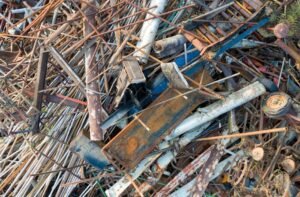
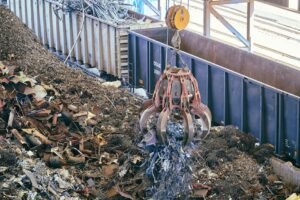
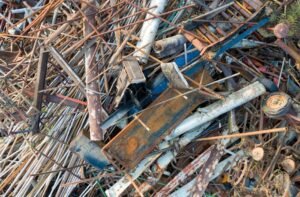
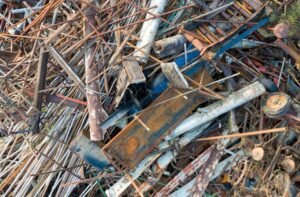
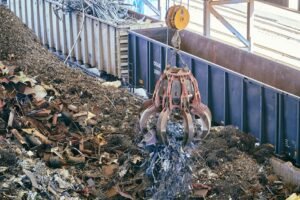
The Australian scrap metal landscape has undergone a seismic shift over the last decade. Historically, scrap metal was viewed merely as waste, but today it is recognized as a vital commodity. The term recycal encompasses the entire lifecycle of metal recovery, from the initial collection at demolition sites to the high-tech shredding and sorting processes that occur in specialized yards. By adopting these rigorous standards, Australian businesses are reducing their carbon footprint while ensuring that valuable resources remain in the production loop.
Innovation is the driving force behind this transition. Recently, industry leaders have been recognized for their contributions to these advancements. For instance, Scraptrade Recognises Sands Industries With The Australian Industrial Innovation Award 2025, highlighting the importance of engineering excellence in material recovery. Such recognition underscores how local companies are setting global benchmarks for efficiency.
Strategic Advantages of Professional Metal Recycling
Engaging with professional recycling platforms offers significant advantages, particularly in terms of market transparency and logistics. When you utilize a specialized digital marketplace for scrap metal, you gain access to real-time pricing data and a broader network of buyers. This level of connectivity is crucial for managing the volatility inherent in the commodities market. Furthermore, professional recycling ensures compliance with strict environmental regulations, which is a non-negotiable aspect of operating in Australia.
For those looking to expand their reach, understanding global market dynamics is key. Our platform provides insights that bridge local and international demand, as seen in our resources for international partners, such as 한국 폐금속 업계를 위한 글로벌 온라인 스크랩 거래 and our expansion efforts, including グローバル廃金属取引プラットフォームが正式サ. These connections ensure that Australian scrap is positioned effectively on the world stage.
Understanding Ferrous vs. Non-Ferrous Materials
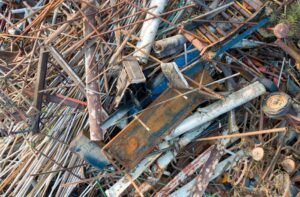
A core element of any recycal strategy involves the accurate identification and classification of metal types. Ferrous metals, such as steel and iron, are magnetic and are primarily used in construction and heavy manufacturing. Non-ferrous metals, including aluminium, copper, lead, and zinc, are highly valued for their resistance to corrosion and their infinite recyclability. Sorting these materials correctly at the source significantly increases their market value and reduces the energy required for processing.
Effective sorting requires both manual expertise and automated technology. Advanced sensor-based sorting systems can distinguish between metal alloys with incredible precision, ensuring that the purity of the end product meets the stringent requirements of smelters and foundries. By focusing on quality, recyclers can command higher prices and contribute to a more stable supply chain for manufacturers across Australia.
Technological Innovations in the Recycling Sector
The role of technology in the recycling industry cannot be overstated. From AI-driven sorting robots to blockchain-based supply chain tracking, the industry is becoming increasingly digitized. These technologies allow for better traceability, which is becoming a requirement for companies aiming to meet ESG (Environmental, Social, and Governance) targets. When you partner with a leading Australian scrap metal trading platform, you are tapping into a network that prioritizes technological integration to streamline your logistics and maximize your returns.
Furthermore, the shift toward a circular economy means that manufacturers are now designing products with their eventual end-of-life recycling in mind. This “design for recyclability” approach makes the work of scrap processors easier and more efficient, creating a symbiotic relationship between manufacturers and the recycling industry that benefits the entire Australian economy.
Environmental Impact and Regulatory Compliance
Sustainability is at the heart of the recycal movement. By recycling metal, we drastically reduce the need for virgin ore mining, which is a resource-intensive and environmentally damaging process. Recycling one tonne of aluminium, for example, saves up to 95% of the energy required to produce it from raw bauxite. In Australia, strict environmental regulations govern how scrap yards operate, ensuring that hazardous materials are handled correctly and that water and soil contamination is prevented.
Compliance is not just about avoiding fines; it is about building a reputation for reliability and ethics. Companies that demonstrate a commitment to environmental stewardship often find it easier to secure contracts with major industrial players who have their own sustainability mandates. As such, investing in proper waste management and recycling infrastructure is a strategic business decision that pays dividends in both the short and long term.
Optimizing Your Scrap Metal Logistics
Effective logistics management is the backbone of a successful scrap business. Transporting heavy, bulky materials requires careful planning to minimize costs and carbon emissions. Implementing a hub-and-spoke model, where smaller collection points feed into larger, centralized processing facilities, is a common strategy used by top-tier recyclers. This approach optimizes transport routes and ensures that materials are processed in the most efficient manner possible.
Additionally, keeping accurate records of your inventory is vital. Digital platforms allow you to track your scrap from the moment it is collected to the point of sale. This visibility helps in forecasting supply and demand, allowing you to hold onto materials when prices are low and sell when the market peaks. By leveraging data, you can transform your scrap operation from a reactive business into a proactive, data-driven enterprise.
Future Trends in the Global Scrap Trade
The future of the scrap metal industry is bright, driven by increasing global demand for recycled materials. As emerging economies continue to develop, the appetite for steel, copper, and aluminium will only grow. Simultaneously, the push for green energy—which relies heavily on metals like copper for electric vehicles and renewable energy infrastructure—will place even more value on the recycling sector.
Australian recyclers are uniquely positioned to capitalize on these trends. With our abundance of resources and a sophisticated industrial base, Australia can become a global leader in the sustainable supply of recycled metals. By continuing to innovate, adopting new technologies, and fostering international partnerships, the Australian scrap industry will play a critical role in the global transition to a circular economy.
Conclusion: Embracing the Circular Economy
The journey toward a more sustainable future relies on our ability to value and recover the materials we use. The recycal process is more than just a waste management strategy; it is a fundamental component of industrial resilience. By understanding the market, investing in technology, and maintaining high standards of environmental compliance, businesses can thrive while contributing to a healthier planet. As we look ahead, the integration of digital marketplaces and advanced processing techniques will continue to redefine what is possible in the scrap metal industry. Stay informed, stay connected, and lead the way in the evolution of Australian metal recycling.
Related: グローバル廃金属取引プラットフォームが正式サ
Frequently Asked Questions
What is the primary benefit of recycling scrap metal?
The primary benefit is the significant reduction in energy consumption and greenhouse gas emissions compared to mining virgin ore. It also preserves natural resources and reduces the amount of waste sent to landfills.
How can I ensure I am getting the best price for my scrap metal?
To get the best price, ensure your scrap is sorted by metal type and cleaned of contaminants like plastic or rubber. Using a digital trading platform allows you to compare real-time market prices and connect with a wider network of verified buyers.
What is the difference between ferrous and non-ferrous metals?
Ferrous metals contain iron and are magnetic, such as steel and iron, while non-ferrous metals do not contain iron and are generally more resistant to corrosion, such as copper, aluminium, and brass.
Why is technology important in the modern scrap industry?
Technology enables precise sorting, efficient logistics, and transparent supply chain tracking. These advancements help businesses maximize their returns, ensure regulatory compliance, and meet the growing demand for sustainable sourcing.