
The recycle aluminium price is a critical indicator for businesses, recyclers, and individuals involved in scrap metal recovery across Australia. As one of the most valuable non-ferrous metals in the recycling stream, aluminium holds consistent demand due to its lightweight, corrosion resistance, and energy-efficient recyclability. Understanding the recycle aluminium price per kilogram or tonne enables stakeholders to make informed decisions about when and how to sell their scrap, whether it’s aluminium cans, extrusions, or mixed alloys. This comprehensive guide explores the current market value of aluminium scrap, the mechanisms behind price setting, influential economic and environmental factors, and the full lifecycle of aluminium recycling — from collection to reprocessing.
Current Recycle Aluminium Price: Market Value Per Kilogram and Tonne
As of 2024, the recycle aluminium price in Australia varies significantly depending on the form, purity, and alloy composition of the scrap. On average, clean, segregated aluminium such as used drink cans (UBCs) or high-grade extrusion offcuts fetch between $2.50 and $3.50 per kg. Mixed or contaminated aluminium scrap — including dirty household items or mixed alloys — typically sells for $1.80 to $2.40 per kg. For industrial-scale operations, prices are often quoted per tonne, where the range extends from $1,800 to $3,500 per tonne.
These figures reflect current scrap prices influenced by both domestic supply chains and international commodity markets. The London Metal Exchange (LME) plays a crucial role in setting baseline values, which are then adjusted for transportation, processing, and regional demand. For example, Western Australia may offer slightly different rates than Queensland due to logistical costs and proximity to smelting facilities. Recyclers should monitor metal prices today through reliable platforms like Scrap.Trade, which provides up-to-date aluminium scrap price data across Australian states.
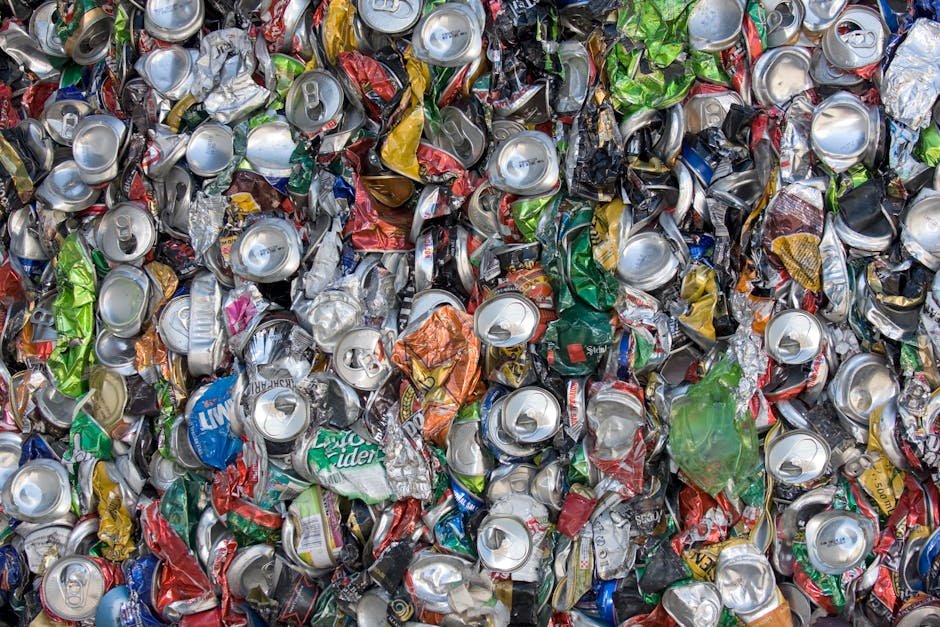
It’s important to differentiate between pre-consumer and post-consumer aluminium. Pre-consumer scrap, such as factory offcuts or aluminium extrusion trimmings, tends to be cleaner and more uniform, commanding higher prices. Post-consumer scrap, including used beverage containers and household items, often requires more sorting and decontamination but remains economically viable due to high global demand. The aluminium recycling price for UBCs (used beverage cans) is particularly stable, supported by government-backed container deposit schemes in states like South Australia and New South Wales.
How Are Aluminium Scrap Prices Set?
The recycle aluminium price is determined through a combination of global market forces, local supply-demand imbalances, and material quality assessments. At the core of pricing is the LME’s benchmark for primary aluminium, which currently hovers around USD $2,300–$2,600 per tonne. However, recycled aluminium typically trades at a discount of 10–20% compared to primary (virgin) aluminium due to lower energy costs and processing complexity.
Domestically, scrap metal yards and recycling facilities use this benchmark as a starting point, then apply adjustments based on:
- Purity and alloy type – High-purity alloys like 6063 (common in extrusions) or 3004 (used in can bodies) are more desirable and attract premium pricing.
- Contamination level – Presence of plastics, rubber, paint, or other metals reduces value and increases processing costs.
- Volume and consistency – Large, regular suppliers often negotiate better rates than one-off drop-offs.
- Geographic location – Facilities near ports or smelters (e.g., Gladstone, NSW) may offer higher prices due to reduced transport overheads.
Additionally, some recyclers use a “floating” pricing model tied to monthly LME averages, while others lock in weekly rates. This means the price per kg can shift even within a single month. For businesses generating large volumes of aluminium scrap, staying informed through real-time tracking tools — such as those offered by ScrapTrade Australia — ensures optimal timing for sales.
Key Factors Affecting Recycle Aluminium Price Fluctuations
Multiple interconnected factors influence the volatility of the recycle aluminium price across Australia and globally. Understanding these drivers allows recyclers and collectors to anticipate market shifts and maximise returns.
Global Commodity Markets: The LME sets the tone for all aluminium pricing. When demand rises in manufacturing hubs like China, India, or Europe, the ripple effect increases both primary and secondary metal values. Geopolitical events, trade tariffs (e.g., U.S. Section 232), and energy costs in major producing countries also impact these benchmarks.
Energy Costs: Recycling aluminium uses only 5% of the energy required to produce primary aluminium from bauxite. However, energy remains a cost component in shredding, sorting, and transporting scrap. During periods of high electricity prices in Australia — driven by grid instability or fossil fuel dependency — operational margins shrink, leading some processors to reduce offers for scrap.
Exchange Rates: Since aluminium is traded internationally in USD, the strength of the Australian dollar affects local prices. A weaker AUD means Australian scrap becomes cheaper for overseas buyers, potentially increasing demand and pushing up the price per kg. Conversely, a strong AUD can suppress export-driven demand.
Supply Chain Dynamics: Construction, automotive, and packaging industries are major sources of aluminium scrap. A boom in infrastructure projects increases pre-consumer scrap availability, while downturns reduce supply. Similarly, consumer behaviour — such as increased soft drink consumption or shifts to reusable containers — affects the volume of aluminium cans entering the recycling stream.
Government Policies and Incentives: Container deposit schemes (CDS) in five Australian states directly support the collection of beverage cans, stabilising supply and maintaining competitive aluminium recycling price levels. Meanwhile, federal initiatives like the National Waste Policy Action Plan encourage circular economy practices, indirectly supporting higher scrap valuations.
Seasonal trends also play a role. Summer months typically see higher volumes of aluminium cans due to increased beverage consumption, temporarily boosting supply. However, efficient sorting and processing capacity prevent significant price drops during these peaks.
The Aluminium Recycling Process: From Collection to Reuse
Recycling aluminium is one of the most efficient industrial processes in the modern economy, with nearly 75% of all aluminium ever produced still in use today. The al recycling process involves several key stages designed to recover maximum value while minimising environmental impact.
- Collection: Aluminium scrap is gathered through curbside recycling programs, drop-off centres, and industrial collection systems. Aluminium cans are often separated at materials recovery facilities (MRFs) using eddy current separators that repel non-ferrous metals.
- Sorting and Grading: Scrap is sorted by alloy type and contamination level. Techniques include X-ray fluorescence (XRF) guns and visual inspection. High-grade aluminium extrusion waste is typically segregated from mixed household scrap.
- Shredding and Decontamination: Larger pieces are shredded into small fragments. Shredded material undergoes thermal treatment to remove coatings, paints, and moisture. This step improves melt efficiency and reduces dross formation.
- Smelting and Purification: Clean scrap is fed into furnaces heated to around 750°C. Fluxes are added to remove residual impurities, and the molten aluminium is cast into ingots or sows for transport.
- Remanufacturing: Recycled aluminium ingots are sold to manufacturers for use in new products — from car parts to window frames — completing the circular lifecycle.
This entire process consumes just 5% of the energy required to refine bauxite into primary aluminium, making al recycling one of the most sustainable industrial practices available. According to the Australian Aluminium Council, recycling one tonne of aluminium saves approximately 9 tonnes of CO₂ emissions and 14,000 kWh of electricity.
Drop-Off vs Pickup: Choosing the Right Recycling Method
When dealing with aluminium scrap, individuals and businesses must decide between drop-off services and scheduled pickups. Each method has distinct advantages depending on volume, frequency, and logistical constraints.
Drop-Off Recycling: Ideal for households, small businesses, and community groups, drop-off involves transporting scrap directly to a local recycling depot. Most councils and private recyclers accept clean aluminium cans and household items. Benefits include no scheduling required, immediate payment (in some cases), and support for local CDS programs. However, transportation costs and time must be factored in, especially for larger volumes.
Pickup Services: Commercial and industrial generators of scrap — such as construction firms, fabricators, or automotive workshops — often benefit from scheduled pickup services. These are arranged through recycling companies that provide bins or skips, collect full loads, and issue invoices based on weight and current scrap prices. Pickup services eliminate handling burdens and ensure consistent cash flow from scrap sales. Many providers offer free pickup for large volumes, making it cost-effective.
For businesses generating over 500 kg of aluminium scrap monthly, negotiating a standing contract with a recycler can lock in favourable rates and include regular reporting. Some platforms, including Scrap.Trade, allow users to compare pickup quotes from multiple vendors to ensure competitive pricing.
Environmental Impact of Aluminium Recycling
The environmental benefits of al recycling are profound and well-documented. Recycling aluminium reduces greenhouse gas emissions, conserves natural resources, and decreases reliance on energy-intensive mining operations.
Extracting aluminium from bauxite ore requires vast amounts of energy, primarily due to the electrolytic process used in smelting. In contrast, recycling scrap aluminium bypasses this step entirely. The energy savings are staggering: recycling one tonne of aluminium saves up to 95% of the energy needed for primary production. In practical terms, this means the energy saved from recycling a single can is enough to power a 100-watt light bulb for four hours.
Additionally, bauxite mining causes significant ecological disruption, including deforestation, soil erosion, and habitat loss — particularly in regions like Western Australia’s Darling Range. By increasing aluminium recycling rates, Australia reduces pressure on these sensitive ecosystems. Currently, the national recycling rate for aluminium beverage cans stands at around 60%, though some states exceed 80% thanks to robust CDS programs.
Landfill diversion is another major benefit. Aluminium does not degrade in landfill, meaning every can or extrusion buried today will remain indefinitely. With growing emphasis on zero-waste goals and circular economies, diverting aluminium scrap from landfill supports compliance with environmental regulations and corporate sustainability targets.
Furthermore, recycled aluminium maintains the same structural integrity as virgin metal, meaning there is no downcycling. This infinite recyclability makes aluminium a cornerstone of sustainable manufacturing. As industries strive to meet net-zero commitments, demand for low-carbon materials like recycled aluminium is expected to rise — potentially increasing the recycle aluminium price in the long term.
Practical Tips to Maximise Your Recycle Aluminium Price Returns
To get the best possible return from your aluminium scrap, follow these expert-backed strategies:
- Sort by alloy type: Separate high-value materials like aluminium extrusion (6063) from mixed or contaminated scrap. Clean, segregated loads receive higher price per kg offers.
- Remove contaminants: Strip plastic, rubber, wood, or steel fittings before delivery. Even small amounts of contamination can downgrade an entire batch.
- Accumulate volume: Selling in bulk — typically over 100 kg — improves negotiating power and may qualify for free pickup or premium rates.
- Time your sale: Monitor metal prices today and sell during market highs. Tools like the Aluminum Scrap Price In 2026 forecast can help project future trends.
- Compare recyclers: Not all buyers offer the same rates. Use online platforms to benchmark prices across local yards.
- Keep records: Maintain invoices and weight tickets for tax deductions, especially for business-generated scrap.
For those managing multiple metal streams, consider cross-referencing other scrap values. For instance, understanding the 1 Kg Brass Price In Australia or tracking Stainless Steel Scrap Price trends can help prioritise which materials to recycle first based on current market conditions.
Conclusion: The Future of Recycle Aluminium Price in Australia
The recycle aluminium price in Australia reflects a dynamic interplay of global markets, local supply chains, and environmental policy. With prices currently ranging from $1.80 to $3.50 per kg, depending on quality and volume, aluminium remains one of the most economically and ecologically valuable materials to recycle. As demand for sustainable materials grows — driven by automotive lightweighting, green construction, and circular economy mandates — the long-term outlook for aluminium scrap valuation is positive.
Technological advancements in sorting and processing, coupled with expanding container deposit schemes and government incentives, are expected to further stabilise and potentially increase the aluminium recycling price. Moreover, as energy costs remain volatile and carbon regulations tighten, the low-carbon advantage of recycled aluminium will become a stronger market differentiator.
Whether you’re a homeowner returning cans, a manufacturer managing offcuts, or a waste contractor handling mixed loads, understanding the factors that influence the recycle aluminium price empowers smarter decisions. By adopting best practices in sorting, timing, and vendor selection, you can maximise returns while contributing to a more sustainable future.
Stay informed, track current scrap prices regularly, and leverage digital tools like Scrap.Trade to access real-time market data and connect with trusted recyclers across the country.
Frequently Asked Questions
What is the current recycle aluminium price per kg in Australia?
As of 2024, the recycle aluminium price in Australia ranges from $1.80 to $3.50 per kg, depending on alloy type, purity, and market conditions. Clean aluminium cans and extrusions typically fetch higher rates.
How is the aluminium recycling price determined?
The aluminium recycling price is based on global metal prices today, particularly the London Metal Exchange benchmark, adjusted for local factors like contamination, volume, and transportation costs.
Is it better to recycle aluminium through drop-off or pickup services?
Drop-off is ideal for small volumes and individuals, while pickup services are more efficient for businesses generating large amounts of aluminium scrap, offering convenience and regular payments.
Does recycling aluminium really save energy?
Yes, recycling aluminium uses only 5% of the energy required to produce new aluminium from bauxite, saving up to 95% in energy and significantly reducing greenhouse gas emissions.