
The ability to recycle catalytic converters in greece is a vital component of modern metal recycling infrastructure, especially as the country navigates increasing environmental regulations and demand for sustainable resource recovery. With vehicles across Athens, Thessaloniki, and beyond being decommissioned each year, the number of end-of-life catalytic converters—commonly known as “cat converters”—has grown significantly. These devices contain high-value platinum group metals (PGMs), including palladium, rhodium, and platinum, which can be extracted and reused in new automotive and industrial applications. Recycling them not only provides economic returns but also reduces the environmental burden associated with mining and refining virgin metals.
Understanding Catalytic Converters and Their Value
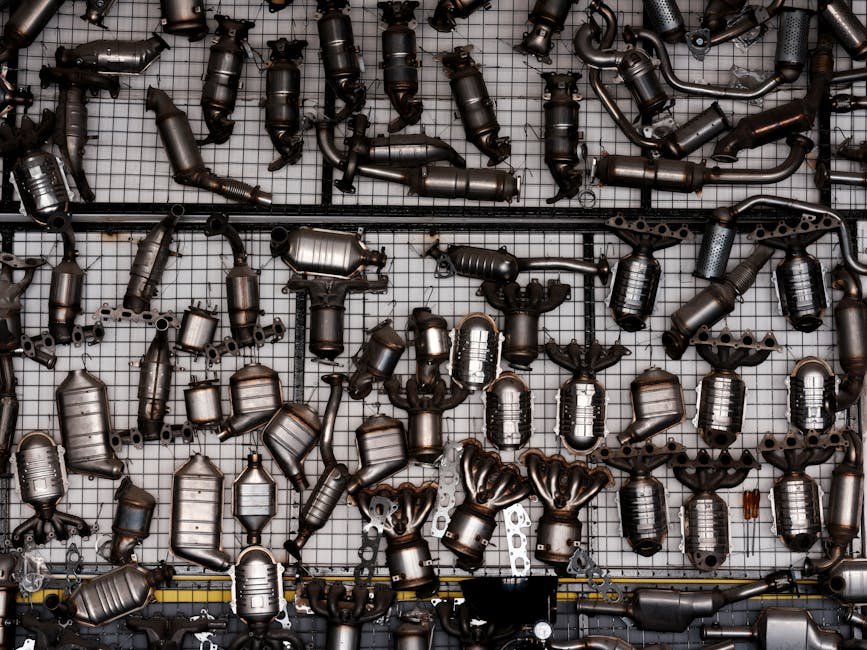
Catalytic converters are emission control devices installed in the exhaust systems of internal combustion engine vehicles. Their primary function is to convert harmful pollutants—such as carbon monoxide, nitrogen oxides, and unburned hydrocarbons—into less harmful substances like carbon dioxide, nitrogen, and water vapour. This transformation is made possible by a ceramic or metallic substrate coated with a washcoat containing precious metals, primarily from the platinum group metals family: platinum, palladium, and rhodium.
The concentration and composition of these metals vary depending on the vehicle’s make, model, year, and region of manufacture. For example, European and Greek-market vehicles often use higher ratios of palladium due to stricter Euro 6 emissions standards, while older models may contain more platinum. Rhodium, although used in smaller quantities, is currently the most valuable of the three due to its scarcity and critical role in reducing nitrogen oxides. As of 2024, rhodium trades at over $10,000 per troy ounce, making even small amounts within a single cat converter highly valuable.
Because of this, recycling catalytic converters in Greece has become an economically viable and environmentally responsible practice. The recovery of these metals reduces reliance on primary mining, which is energy-intensive and often associated with significant ecological disruption. For scrap dealers, auto repair shops, and dismantlers, properly recycling these units means tapping into a high-margin stream of recyclable materials. To learn more about maximizing returns from PGMs, see our comprehensive guide: Selling Catalytic Converters How To Maximize Your Profit Safely.
The Recycling Process: From Collection to Metal Recovery
Recycling catalytic converters in Greece involves a multi-stage industrial process designed to safely and efficiently recover platinum group metals. While Greece does not host large-scale PGM refining facilities domestically, collected converters are typically exported to specialized refineries in Germany, Belgium, or Switzerland under strict EU waste shipment regulations. The full cycle includes collection, sorting, decanning, chemical processing, and final metal purification.
The first step in the recycling process is the physical collection of used converters. These may arrive at a local recycling centre via drop-off or through a dedicated pickup service. Once received, the units are categorized by type—OEM (original equipment manufacturer), aftermarket, diesel, gasoline, or industrial—and their serial numbers or part codes are documented for traceability. This classification helps estimate the likely PGM content using industry-standard databases.
Next, the converters undergo decanning—the removal of the ceramic or metallic honeycomb substrate from the metal casing. This is typically done using hydraulic crushing or specialized milling machines. The resulting “catalyst powder” or “honeycomb fragments” are then sent for chemical processing. In this phase, the material is subjected to high-temperature roasting followed by leaching with acids such as aqua regia (a mixture of nitric and hydrochloric acid) to dissolve the precious metals.
After leaching, the solution undergoes a series of precipitation, filtration, and solvent extraction steps to separate individual metals. Final purification is achieved through techniques like ion exchange or electrowinning, producing pure palladium, platinum, and rhodium salts or sponges. These are then melted into ingots and sold to manufacturers for reuse in new catalytic converters, electronics, or medical devices. The entire process achieves recovery rates exceeding 95% for all three metals, demonstrating the efficiency and sustainability of modern PGM recycling.
Drop-Off vs Pickup Service: What’s Best for You?
When looking to recycle catalytic converters in Greece, individuals and businesses must decide between using a drop-off location or arranging a pickup service. Each option has distinct advantages depending on volume, location, and logistical needs.
Drop-off involves bringing your used converters directly to a certified recycling centre or scrap metal yard. This method is ideal for individuals with one or a few units, such as mechanics or DIY car enthusiasts. Many urban areas in Greece—including Athens, Patras, and Larissa—have licensed scrap yards that accept catalytic converters. The main benefits include immediate payment (in some cases), full transparency during weighing and testing, and the ability to ask questions in person. However, drop-off requires transportation effort and may not be feasible for those in remote regions or handling large volumes.
Conversely, a pickup service offers convenience and scalability. Several licensed recyclers in Greece provide scheduled collection services for bulk quantities, particularly targeting auto dismantlers, fleet operators, and scrapyards. These services often include free transportation, on-site inventory audits, and secure chain-of-custody documentation. For enterprises managing hundreds of converters, a pickup service eliminates logistical bottlenecks and ensures consistent cash flow. Companies like Ecotrade Group Catalytic Converters specialize in bulk acquisition and offer competitive pricing based on real-time PGM market rates.
When choosing between drop-off and pickup, consider the following factors:
- Volume: Less than 10 units? Drop-off may suffice. More than 50? A pickup service is likely more efficient.
- Location: Urban centres have more drop-off options; rural areas benefit from pickup logistics.
- Security: Pickup services often include locked containers and GPS-tracked vehicles, reducing theft risk.
- Pricing Transparency: Reputable providers offer detailed assay reports, ensuring you’re paid fairly based on actual PGM content.
Ultimately, both methods support the goal to recycle catalytic converters in Greece while offering flexibility for different user profiles.
Environmental Impact and Sustainability Benefits
One of the most compelling reasons to recycle catalytic converters in Greece is the significant environmental benefit. Mining platinum group metals is among the most ecologically damaging industrial activities globally. Primary extraction occurs mainly in South Africa and Russia, where operations consume vast amounts of water and energy, generate toxic tailings, and contribute to habitat destruction and greenhouse gas emissions.
For example, producing one ounce of mined platinum can require over 10 tons of ore and release up to 10 kilograms of CO₂. In contrast, recycling the same amount from spent catalytic converters uses up to 90% less energy and produces negligible emissions. By choosing to recycle, Greece contributes to a circular economy model that preserves natural resources and reduces transnational environmental harm.
Moreover, improper disposal of catalytic converters poses local risks. If dumped in landfills, the ceramic substrates can leach trace metals into soil and groundwater. Additionally, theft of converters for their PGM content has become a growing problem in urban areas, leading to increased vehicle repair costs and illegal dumping. A formalized recycling system discourages illicit trade by providing legal, profitable alternatives for disposal.
The European Union’s End-of-Life Vehicles (ELV) Directive mandates that at least 95% of a vehicle’s weight must be recovered through reuse, recycling, or energy recovery. Catalytic converters play a key role in meeting this target due to their high recyclability and value. By expanding access to certified recycling centre networks and promoting awareness, Greece can align more closely with EU sustainability goals. For more on global recycling trends, visit ScrapTrade Australia, a leading platform for international scrap metal exchange.
Legal and Regulatory Framework in Greece
Recycling catalytic converters in Greece is subject to national and EU-level regulations designed to prevent metal theft, ensure traceability, and protect the environment. Under Law 3934/2011 on Waste Management and the transposition of the EU ELV Directive, all end-of-life vehicles must be processed by authorized treatment facilities (ATFs). These facilities are required to remove and properly manage high-value components like catalytic converters before shredding.
Sellers must provide identification and documentation proving ownership of the converters. This includes business licenses for scrap yards, vehicle deregistration papers, or invoices from dismantling operations. The goal is to disrupt black-market trade, which has surged due to high PGM prices. Unlicensed buyers who offer cash without paperwork should be avoided, as they may be involved in illegal export or unreported refining.
Additionally, the shipment of spent catalytic converters outside Greece falls under the EU Waste Shipment Regulation (EC No 1013/2006). Exporters must file prior notifications, obtain consent from destination countries, and use approved carriers. Non-compliance can result in heavy fines or criminal charges. Reputable recyclers adhere strictly to these protocols, ensuring full compliance and ethical sourcing.
For businesses, maintaining detailed records of incoming and outgoing converters—not only for legal protection but also for tax reporting—is essential. Many top-tier recyclers use digital tracking systems to log serial numbers, weights, and assay results, which enhances transparency and builds trust with suppliers. If you’re involved in large-scale operations, consider consulting the Sell Platinum Scrap Jewelry Catalytic Converters Industrial 2026 Guide for compliance and pricing strategies.
Maximizing Profit from Your Catalytic Converters
Recycling catalytic converters in Greece isn’t just environmentally sound—it can also be highly profitable. However, realizing maximum value requires knowledge of market dynamics, proper handling, and choosing the right buyer. Here are proven strategies to boost your returns:
First, never sell whole converters without understanding their likely PGM content. High-grade OEM units from luxury vehicles (e.g., BMW, Mercedes-Benz, Porsche) or heavy-duty trucks often contain far more palladium and rhodium than generic aftermarket models. Use online databases or consult with experts to classify your inventory before sale.
Second, avoid “crushing” or damaging the honeycomb substrate before sale. Some sellers mistakenly believe that removing the ceramic core increases value, but intact units allow recyclers to verify authenticity and prevent fraud. Tampering can lead to lower offers or outright rejection.
Third, compare pricing from multiple licensed buyers. Prices should be based on a percentage of the daily PGM spot market, not flat rates. For example, a fair offer might be 75–85% of the combined value of platinum, palladium, and rhodium contained in the unit. Always request a post-processing assay report to confirm payment accuracy.
Fourth, consider bundling other recyclable materials. Many scrapyards that accept catalytic converters also buy aluminum, copper, and steel. If you’re already transporting converters, adding other metals can improve per-trip profitability. Check current rates using resources like recycle aluminium price and aluminum recycle value to plan your hauls strategically.
Finally, stay informed about global PGM markets. Prices fluctuate based on automotive demand, mining output, and geopolitical factors. Rhodium, for instance, spiked to $30,000/oz in 2021 due to supply shortages but later corrected. Timing your sales during peak cycles can significantly increase profits. For expert insights, subscribe to industry updates at Scrap.Trade, Europe’s fastest-growing scrap metal trading platform.
Future Outlook and Industry Trends
The future of recycling catalytic converters in Greece is shaped by technological, economic, and regulatory trends. As electric vehicles (EVs) gain market share—projected to exceed 50% of new car sales in the EU by 2030—the volume of traditional cat converters will eventually decline. However, this transition will take decades, and millions of internal combustion engine vehicles will remain in use well into the 2040s, ensuring a steady supply of recyclable units.
Simultaneously, demand for platinum group metals is rising in other sectors. Palladium is used in hydrogen fuel cells, rhodium in chemical catalysts, and platinum in medical devices and renewable energy systems. This diversification supports long-term value retention in recycled PGMs, even as automotive demand evolves.
Technological advances are also improving recycling efficiency. New methods such as plasma arc smelting and bioleaching (using microorganisms to extract metals) are being piloted in EU labs, promising higher recovery rates and lower environmental impact. Greece could benefit from adopting such innovations through partnerships with EU-funded research programs.
Additionally, digital platforms are transforming how scrap is traded. Online marketplaces now allow sellers to upload converter photos, receive instant quotes, and schedule pickups—all without face-to-face interaction. This transparency and convenience are attracting more participants to the formal recycling economy, reducing leakage into informal or illegal channels.
Looking ahead, Greece has an opportunity to strengthen its role in the European PGM recycling network. By investing in certification programs for recyclers, expanding public awareness campaigns, and streamlining cross-border export procedures, the country can enhance both environmental outcomes and economic returns from this valuable waste stream.
Conclusion: A Sustainable and Profitable Path Forward
Recycling catalytic converters in Greece is more than a disposal solution—it’s a strategic opportunity to generate income, support environmental sustainability, and comply with EU regulations. Whether you’re an individual with a single unit or a business managing a large inventory, understanding the recycling process, choosing between drop-off and pickup service options, and partnering with reputable buyers are key to success.
The presence of valuable platinum group metals like palladium, rhodium, and platinum makes these devices a high-return recyclable material. When processed through certified recycling centres using environmentally responsible methods, they contribute to a circular economy that reduces mining impacts and conserves finite resources.
By following best practices—verifying buyer credentials, maintaining documentation, and staying informed on market trends—you can maximize both the financial and environmental benefits of recycling. As Greece continues to modernize its waste management infrastructure, the responsible handling of catalytic converters will remain a cornerstone of sustainable development.
To get started today, explore trusted partners like Ecotrade Group Catalytic Converters, consult the Selling Catalytic Converters How To Maximize Your Profit Safely guide, and monitor pricing trends via Scrap.Trade. Together, we can ensure that every cat converter reaches its highest and most responsible end-of-life potential.
Frequently Asked Questions
Where can I recycle catalytic converters in Greece?
You can recycle catalytic converters in Greece at licensed recycling centres, authorized scrap yards, or through certified pickup services. Major cities like Athens and Thessaloniki have multiple facilities that accept these units for proper processing and PGM recovery.
Are there environmental benefits to recycling cat converters?
Yes, recycling cat converters significantly reduces the need for mining platinum group metals, which is energy-intensive and environmentally destructive. It also prevents hazardous materials from entering landfills and supports EU sustainability targets.
What metals are recovered when recycling catalytic converters?
The primary metals recovered are platinum, palladium, and rhodium—collectively known as platinum group metals. These are extracted through chemical and thermal processes and reused in automotive, industrial, and medical applications.
Is it better to use drop-off or pickup service for my converters?
Drop-off is ideal for small quantities and those near urban centres, while pickup service is more efficient for bulk volumes or remote locations. Pickup often includes free transport and secure handling, making it preferable for businesses.