
The recycle marketplace has revolutionized how Australians trade and recycle scrap metals, providing a streamlined system for both small-scale recyclers and industrial players. By combining efficient logistics with eco-conscious practices, these platforms reduce waste, optimize resource recovery, and lower carbon footprints. This guide explores the full lifecycle of scrap metal recycling, compares drop-off and pickup services, and highlights the environmental benefits of using a recycle marketplace in Australia.
Understanding the Recycle Marketplace Ecosystem
A recycle marketplace operates as a digital hub that connects individuals, businesses, and recycling centers. It eliminates inefficiencies in traditional recycling by enabling direct transactions between sellers of scrap materials and licensed recyclers. For example, scrap.trade provides a platform where users can post listings, compare offers, and choose between drop off or pickup service options. This model not only increases transparency but also ensures competitive pricing for recyclables like aluminium, copper, and steel.
The Marketplace approach contrasts with traditional auctions by prioritizing real-time connectivity and data-driven pricing. Unlike auctions, which rely on batch sales and opaque bidding, marketplaces allow sellers to receive instant quotes and negotiate terms. For deeper insights, explore Auction Vs Marketplace For Scrap Sales to understand the advantages of this modern system.
The Recycling Process: From Collection to Reuse
1. Collection and Sorting
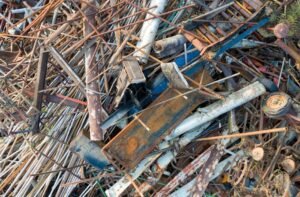
The recycling journey begins with the collection of scrap metals, which can occur through two primary methods: drop off at local recycling centres or scheduled pickup service by specialized haulers. Drop-off is ideal for small quantities, while pickup services are more efficient for large volumes. Sorting is critical at this stage, as metals like aluminium and copper require separation to maintain purity and value.
2. Processing and Shredding
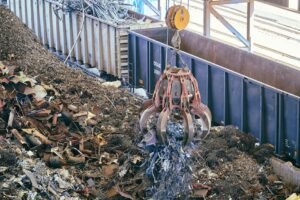
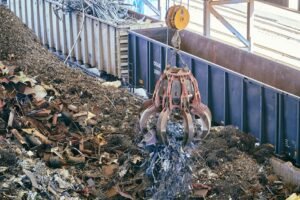
Once collected, the scrap is transported to processing facilities where it is shredded, melted, and refined. Advanced technologies, such as Eddy current separators and magnetic systems, automate the sorting process. For instance, the aluminium marketplace relies on facilities that can extract up to 95% of raw materials from post-consumer waste, significantly reducing the need for mining.
3. Reintroducing Materials to the Supply Chain
Processed metals are then sold to manufacturers who repurpose them into new products. The scrap marketplace facilitates this by connecting recyclers with buyers in construction, automotive, and manufacturing sectors. This closed-loop system reduces reliance on virgin materials, conserving energy and natural resources.
Drop-Off vs Pickup: Choosing the Right Option
Deciding between drop off and pickup service depends on factors like quantity, location, and convenience. Drop-off is cost-effective for small batches, with fees typically ranging from $10-$30 per ton at local recycling centres. However, it requires the seller to transport materials, which can increase the carbon footprint if multiple trips are needed.
Pickup services, on the other hand, offer door-to-door convenience for large quantities. While fees are higher (around $50-$150 per ton depending on distance), they reduce personal transportation emissions. For businesses or households with bulky scrap, this option is more sustainable in the long term. Platforms like scrap.trade allow users to compare pickup service rates and schedules, ensuring cost-effective solutions.
Environmental Impact of Recycling in Australia
1. Reducing Greenhouse Gas Emissions
Recycling scrap metals significantly lowers carbon emissions compared to extracting and refining raw materials. For example, producing aluminium from recycled scrap requires 95% less energy than from bauxite ore. According to the Australian Government’s Resource Recovery Strategy, expanding recycle marketplace systems could reduce the nation’s annual CO2 emissions by 20 million tons by 2030.
2. Conserving Natural Resources
The mining and processing of raw metals deplete finite resources and degrade ecosystems. Recycling mitigates this by reusing existing materials. In 2022, Australia’s recycling centres processed over 10 million tons of scrap metals, equivalent to preserving 1.2 billion liters of water and 4.5 million hectares of mining land.
3. Economic and Social Benefits
Recycling creates jobs in logistics, processing, and manufacturing. The recycle marketplace model further boosts local economies by connecting small recyclers with buyers. A 2023 report by the Australian Recycling Industry Council found that every 10% increase in recycling rates generates 1,500 new jobs and $250 million in economic activity.
Practical Tips for Maximizing Your Recycling Efforts
- Sort materials properly: Clean and separate metals to avoid contamination, which can devalue your scrap and increase processing costs.
- Research local recycling centres: Use the Marketplace to find nearby facilities with competitive rates and flexible drop off or pickup service options.
- Track market prices: Metal prices fluctuate based on global demand. Monitor the scrap marketplace for real-time pricing data to sell at optimal times.
The Future of Scrap Recycling in Australia
As climate goals tighten, the recycle marketplace is poised to play a central role in Australia’s transition to a circular economy. Innovations like blockchain traceability and AI-powered sorting systems are already being adopted by platforms like scraptrade.com.au to enhance efficiency and transparency. Government incentives, such as tax rebates for recyclers, will further accelerate adoption.
Consumers can contribute by prioritizing environmental benefit-oriented choices, such as using pickup service for large items and avoiding single-use metals. By leveraging the recycle marketplace, Australians can collectively reduce their carbon footprint while supporting a sustainable economy.
Why Choose a Recycle Marketplace?
Traditional recycling often involves opaque pricing, logistical delays, and limited buyer access. A recycle marketplace solves these issues by:
- Providing transparent, real-time pricing for scrap materials.
- Offering flexible drop off or pickup service options tailored to user needs.
- Connecting sellers with a broader network of buyers through a centralized platform.
For a seamless experience, visit scrap.trade to access Australia’s largest recycle marketplace. Whether you’re a casual recycler or a commercial operator, the platform’s tools empower you to maximize value and minimize environmental impact.
Frequently Asked Questions
What is the difference between drop-off and pickup services in a recycle marketplace?
Drop-off services require you to transport scrap materials to a recycling centre, while pickup services offer door-to-door collection. Pickup is more convenient for large volumes and reduces personal transportation emissions.
How does recycling scrap metal reduce carbon footprint?
Recycling uses 95% less energy than producing metals from raw materials, significantly lowering greenhouse gas emissions. For example, recycling aluminium avoids 8 tons of CO2 per ton of metal compared to mining and refining.
Can I sell scrap metals through a recycle marketplace for free?
Most platforms charge a small fee for marketplace access and transaction services, but this is offset by competitive pricing and reduced logistical costs. Always compare rates on platforms like scrap.trade.
What types of metals are most valuable in the Australian recycle marketplace?
Copper, aluminium, and stainless steel command the highest prices due to their high demand in manufacturing. Check the scrap marketplace regularly for real-time pricing trends.