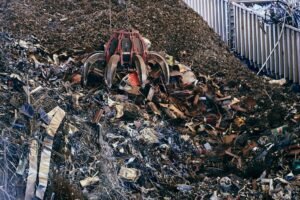

Searching for a recycling centre near me is the first step toward responsible waste management and potentially earning extra income from your surplus materials. Whether you are a homeowner clearing out a garage or a contractor managing industrial site waste, understanding how to navigate the Australian scrap market is essential. By choosing the right facility, you contribute to a circular economy that reduces the need for virgin mining and saves significant energy.
Understanding the Scrap Metal Market in Australia
The Australian scrap metal industry is a sophisticated network of processors, traders, and exporters. When you search for a recycling centre near me, you are entering a global supply chain where the value of your materials fluctuates based on international demand, particularly from manufacturing hubs in Asia. Metals are generally categorized into two groups: ferrous and non-ferrous.
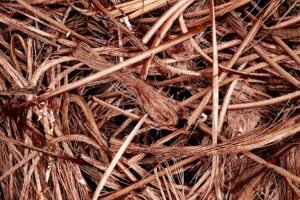
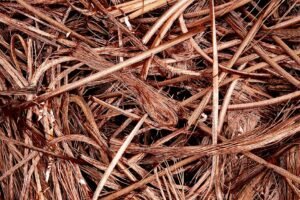
Ferrous metals, such as iron and steel, are magnetic and are the most common materials recycled in Australia. Non-ferrous metals, including copper, aluminium, brass, and lead, hold significantly higher market value due to their infinite recyclability and lower supply. Professional traders often utilize advanced technology to identify these grades accurately. If you are looking for Metal Recycling Near Me, it is vital to know that your payout depends on purity and cleanliness. Contaminated metals—such as copper wire with plastic insulation or steel beams with concrete attached—will fetch a lower price than clean, sorted scrap.
How to Identify a Reliable Local Scrap Yard
Not all facilities operate with the same standards. When identifying a recycling centre near me, look for transparency in weighing and pricing. A reputable local scrap yard will have certified scales that are visible to the customer. They should also provide a clear breakdown of the weight and the current market rate applied to each metal type.
Safety and environmental compliance are non-negotiable. A professional facility will have strict protocols for handling hazardous materials, such as lead-acid batteries or gas cylinders. If you are struggling to find a facility in your specific region, you might explore specialized options like the glen innes recycling centre for regional services or go green recycling for eco-focused processing. Always check if the facility is registered with the relevant state environmental protection authority to ensure your waste is being handled legally.
Maximizing Your Returns: Tips for Preparing Scrap
Preparation is the secret to maximizing your profit. Before heading to the closest dealer, take the time to sort your metals. Mixing aluminium cans with heavy steel will result in a lower-grade valuation for the entire load. Use magnets to separate ferrous from non-ferrous materials; if it sticks, it is likely steel or iron.
Remove non-metallic attachments whenever possible. For example, stripping plastic or rubber from copper wiring can significantly increase its value per kilogram. If you have large quantities, consider reaching out to a Scrap Metal Recycling Near Me service to inquire about collection services. Many yards offer local pickup for large industrial loads, which saves you the hassle of transport. Engaging with the Recycling Community through our platform can also provide insights into current market trends and help you connect with other sellers in my area.
The Environmental Impact of Local Recycling
Every kilogram of metal recycled at a nearby recycler represents a massive saving in energy compared to producing new metal from raw ore. For instance, recycling aluminium saves approximately 95% of the energy required to produce it from bauxite. This is a critical component of Australia’s commitment to reducing carbon emissions.
By utilizing a local facility, you are also reducing the carbon footprint associated with long-distance transportation. Supporting local infrastructure helps keep the industry robust and capable of handling local waste streams effectively. For more information on how the broader industry operates, visit our primary portal for scrap metal trading, or for specific Australian market data, check out our dedicated Australian scrap trade resource. Being an informed participant in this ecosystem helps ensure that valuable materials are kept out of landfills and returned to the manufacturing cycle.
Logistics and Transportation: Managing Large Loads
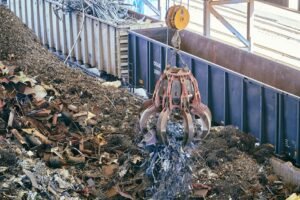
If you are dealing with industrial quantities, the logistics of transport become a primary concern. Many businesses find that coordinating with a local scrap yard for a skip bin or a flatbed truck is more efficient than making multiple trips. When you request a local pickup, ensure the site has adequate access for heavy machinery. Discussing your site requirements with a nearby recycler early can prevent delays and additional fees.
Furthermore, documentation is key for commercial entities. Ensure that you receive a weighbridge ticket and a receipt for every transaction. This is not only for your financial records but also for compliance with environmental reporting standards. If you are located in a remote area, the closest dealer might be a significant distance away; in these cases, bulk storage and scheduled collection are the most cost-effective strategies.
Future Trends in Metal Recycling
The Australian metal recycling industry is evolving. We are seeing increased investment in automated sorting technology, such as X-ray fluorescence (XRF) scanners, which allow yards to identify metal alloys with extreme precision. This means that even complex scrap materials that were previously considered “low value” are now being processed more efficiently.
As a user, staying connected with the recycling community allows you to adapt to these changes. Whether it is new regulations on battery disposal or shifts in commodity pricing, being informed ensures you get the best value for your scrap. As we look toward a more sustainable future, the role of the individual in the recycling chain has never been more important. By consistently choosing to recycle rather than discard, you are participating in a vital global effort to conserve natural resources.
Practical Safety Guidelines for Scrap Handling
Working with scrap metal involves inherent risks. Sharp edges, heavy loads, and hazardous residues require caution. Always wear heavy-duty gloves, steel-capped boots, and high-visibility clothing when visiting a yard. If you are dismantling equipment, ensure that all power sources are disconnected and that any pressurized systems have been safely vented.
Never attempt to recycle sealed containers or tanks that may contain residual chemicals or gases. Most reputable yards will refuse these items unless they are certified as purged and safe. If you are unsure about an item, always call your nearby recycler before attempting to transport it. Safety is the foundation of a sustainable and professional recycling culture in Australia.
Conclusion: Taking Action Today
Finding a recycling centre near me is more than just a quick search; it is a commitment to better environmental stewardship and smarter resource management. Whether you are a hobbyist or a business owner, the steps you take to sort, clean, and transport your scrap metal make a tangible difference. By leveraging the tools and resources available on our platform, you can navigate the market with confidence, ensuring you receive fair value while supporting a cleaner, greener Australia. Start by exploring our directory, connecting with your local facilities, and turning your scrap into a valuable asset today.
Frequently Asked Questions
How do I know if my scrap metal is ferrous or non-ferrous?
The easiest way to tell is by using a magnet. If the magnet sticks to the metal, it is ferrous, such as iron or steel; if it does not, it is non-ferrous, like copper, aluminium, or brass.
Why does the price of scrap metal change so often?
Scrap metal prices are commodities, meaning they fluctuate based on global supply and demand, manufacturing needs, and international shipping costs. These prices are updated regularly based on the London Metal Exchange (LME).
Do I need to clean my scrap metal before taking it to a yard?
Yes, cleaning your scrap by removing plastic, rubber, wood, or other contaminants will significantly increase its value. Most yards pay a premium for ‘clean’ scrap compared to ‘dirty’ or mixed materials.
Can I get a pickup for a large amount of scrap metal?
Many professional recycling centres offer pickup services for large industrial or commercial quantities. It is best to contact your local yard directly to discuss the size of your load and their specific transport capabilities.