
Understanding the lifecycle and value of scrap carbide drills is essential for any workshop, machine shop, or industrial facility looking to optimize their waste management strategy. As the manufacturing sector in Australia continues to evolve, the demand for tungsten-based materials remains high, making the recovery of these components a critical economic and environmental imperative. When we consider scrap carbide, we are looking at one of the most valuable streams in the metal recycling industry.
The Composition and Value of Industrial Carbide
Tungsten carbide is a composite material consisting of tungsten carbide particles bonded together by a metallic binder, usually cobalt. This unique matrix gives the material its legendary hardness and heat resistance, which is why it is the material of choice for industrial drilling and cutting. Unlike traditional steel, these tools do not simply wear out; they reach an end-of-life state where their geometry is compromised, but their chemical composition remains intact. This is where professional recycling platforms like Australia’s leading metal recycling hub become vital partners for businesses.
To understand the broader context of the materials we handle, it is helpful to look at What Is Scrap Trade and how it differentiates between various metal streams. While many people associate metal recycling with Plastic Scrap management or the dismantling of an What Scrap Trade Actually Is, the recovery of tungsten carbide requires a specialized metallurgical approach. When you are looking to sell your inventory, checking the current scrap carbide price is the first step toward ensuring you receive fair market value for your high-density materials.
Categorizing Scrap Carbide Grades
Not all carbide is created equal. The value of your scrap depends heavily on the grade and the purity of the material. In the industrial sector, we generally categorize these into several distinct streams. The primary grade found in scrap carbide drills is typically a virgin grade, which contains a higher percentage of tungsten and a consistent cobalt binder. Contamination is the enemy of value in this market. If your carbide is mixed with steel shanks, braze, or other alloys, the processing cost increases, which naturally lowers the payout.
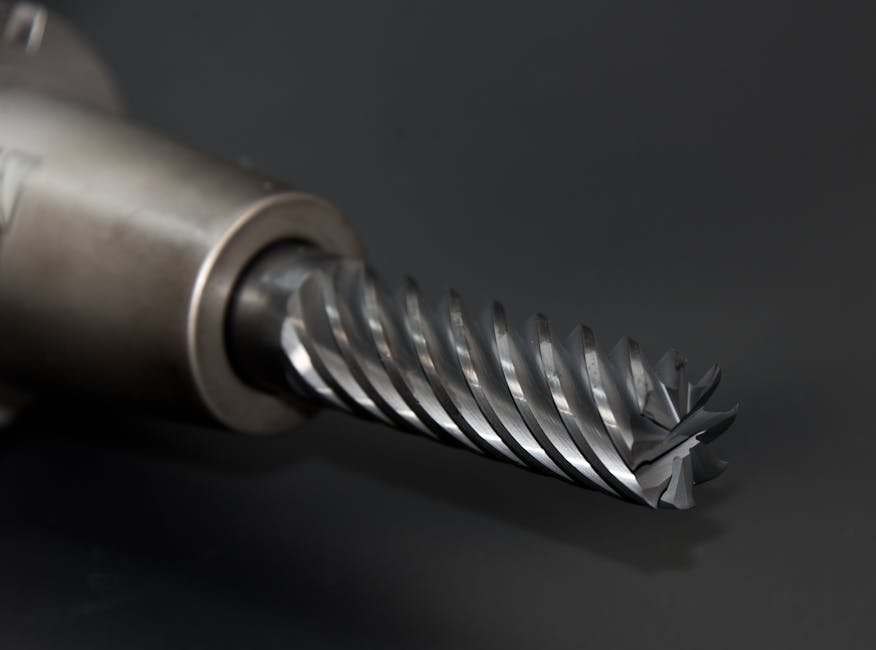
When collecting your scrap, it is recommended to separate solid carbide from brazed tips or inserts. Solid carbide drills are the “gold standard” in the recycling world because they require less chemical processing to extract the pure tungsten powder. Conversely, brazed tools require the removal of the steel body before the carbide can be reprocessed. By keeping your scrap streams segregated at the source, you can significantly improve the valuation of your collection.
The Recycling Process: From Waste to Resource
The recycling process for carbide is a fascinating example of the circular economy in action. Once the material is collected, it undergoes a rigorous sorting process. The scrap is cleaned of oils, greases, and any residual contaminants. Following this, the material is crushed and milled into a fine powder. This powder is then processed through either a chemical leaching method or a zinc process, which breaks down the cobalt binder and allows for the recovery of the tungsten and cobalt separately.
This recovered powder is then used to manufacture new carbide tools, effectively closing the loop. This process uses significantly less energy than extracting virgin tungsten from ore. In the context of the broader metal recycling industry, this is far more efficient than the processes used for industrial metal recovery, where large-scale smelting is often required. By participating in this program, your business is directly contributing to a sustainable supply chain that reduces the need for new mining operations in fragile ecosystems.
Environmental Benefits and Sustainability
The environmental case for recycling scrap carbide drills is compelling. Tungsten is a finite resource, and its extraction is energy-intensive and often involves significant environmental disruption. When companies choose to recycle their carbide, they are essentially mining their own waste bins. This reduces the carbon footprint of the manufacturing industry and preserves natural resources for future generations.
Furthermore, responsible recycling prevents heavy metals like cobalt from entering the waste stream, where they could potentially leach into groundwater. While this is a critical issue in the context of ELV (End of Life Vehicle) processing or the handling of auto parts from car wreckers, it is equally important in the specialized world of high-speed steel and carbide recycling. Every kilogram of carbide diverted from a landfill is a win for the environment and a step toward a more circular economy.
Practical Tips for Maximizing Returns
To get the most out of your scrap, you need to manage your inventory like a professional. Start by implementing a “sort-at-source” policy in your machine shop. Provide clearly labeled bins for different types of scrap: solid carbide, carbide inserts, and high-speed steel. Avoid throwing carbide into the general scrap bin, as it will be valued at a much lower rate, effectively throwing money away.
Keep your carbide clean. While some surface oxidation is acceptable, heavy contamination with coolant or other metals will lead to deductions. If you are a large-scale generator of scrap, consider scheduling regular pickups. This reduces the risk of loss or theft and ensures that your capital is not tied up in idle inventory. Remember that market prices fluctuate based on the global price of tungsten and cobalt, so staying informed through reliable platforms is key to timing your sales effectively.
The Interconnectedness of the Scrap Industry
It is important to view your scrap management as part of a larger industrial ecosystem. Whether you are dealing with vehicle recycling components or high-tech carbide tools, the principles of professional handling remain the same. Transparency in the supply chain is what builds trust between recyclers and generators. By using verified platforms, you ensure that your materials are handled in compliance with environmental regulations and that you are receiving the most accurate, up-to-date pricing available.
The role of the scrap trader is to act as a bridge between the generator and the end-user. By understanding the nuances of the trade, you can turn your waste into a consistent revenue stream. This is not just about clearing space in your workshop; it is about participating in a global market that values efficiency, sustainability, and high-quality secondary raw materials. As we look to the future, the integration of digital tracking and better sorting technologies will only make this process more seamless and profitable for everyone involved.
Conclusion: Embracing Circularity
Recycling scrap carbide drills is a smart business move that aligns your operational needs with global sustainability goals. By focusing on proper segregation, maintaining cleanliness, and staying updated on market trends, you can maximize your returns while reducing the environmental impact of your operations. The scrap metal industry is evolving, and those who take a proactive approach to their waste management will be the ones who benefit the most from the rising demand for high-quality recycled materials. Join the movement toward a more sustainable future by treating your scrap not as waste, but as a valuable resource.
Frequently Asked Questions
Why is it important to separate carbide from steel?
Carbide has a much higher market value than steel due to its tungsten and cobalt content. Mixing them lowers the overall grade of the material, making it harder to process and reducing the payout you receive.
How often do scrap carbide prices change?
Prices are tied to global commodity markets for tungsten and cobalt. They can fluctuate weekly or even daily, so it is best to check current listings before finalizing a bulk sale.
Can I recycle carbide drills that are broken or worn out?
Yes, absolutely. Recycling facilities are not looking for functional tools; they are looking for the chemical composition of the material. Broken, chipped, or completely worn-out carbide is perfectly suitable for the recycling process.
What is the environmental impact of not recycling carbide?
If not recycled, carbide ends up in landfills where it is lost forever. This necessitates further mining for virgin tungsten, which is environmentally destructive and requires significantly more energy than recycling existing scrap.