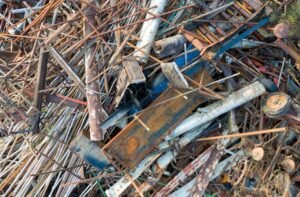
When you are looking to manage your industrial or residential waste, understanding the process of recycling scrap steel Wiseman Ferry is essential for both your wallet and the environment. As the demand for sustainable material management grows, local residents and businesses are increasingly turning to professional recycling channels to dispose of ferrous metal efficiently. Whether you are clearing out a property or managing construction waste, knowing how to classify your materials is the first step toward getting the best value. For those looking for broader market context, our Scrap Steel Price Per Kg A Complete Guide For Sellers provides the foundational knowledge needed to navigate the market with confidence.
Understanding Ferrous Metal and Steel Grades
The scrap metal industry is primarily divided into ferrous and non-ferrous categories. Ferrous metals, which include iron and steel, are magnetic and form the backbone of the recycling industry. When dealing with scrap steel, you will encounter various grades, each with its own market value. The most common type encountered is mild steel, which is highly sought after due to its versatility and ease of recycling. However, not all steel is created equal. To ensure you are getting the right value, it is vital to understand the specific classifications used by recyclers. Detailed information on industry standards can be found in our guide on Steel Scrap Grading 1 Prepared 2 Prepared Shredded. These grades determine how the material is processed and ultimately how it is priced per tonne. Whether you are dealing with heavy structural beams or light sheet metal, proper segregation is the key to maximizing your returns.
The Economics of Recycling: Steel Price Per Tonne
The steel price per tonne is a fluctuating metric influenced by global supply chains, industrial demand, and the cost of raw iron ore. For those operating in the Wiseman Ferry area, staying updated on these trends is crucial. While local prices may vary based on transport logistics and quantity, the underlying market dynamics remain consistent. If you are curious about how these prices compare across different regions, you might find our resources on Scrap Steel Prices Brisbane: Current Value & Market Guide or our insights into Scrap Steel Buyers in Perth: A Complete Guide to Selling helpful for comparative analysis. Furthermore, if your scrap collection includes higher-value alloys, it is worth checking the Stainless Steel Scrap Price to ensure you aren’t underselling your materials. Remember, the cleaner your load, the higher the likelihood of achieving the top-tier market price.
The Environmental Impact of Steel Recycling
Recycling steel is one of the most effective ways to reduce industrial carbon footprints. Unlike many other materials that degrade during the recycling process, steel can be recycled infinitely without losing its inherent properties. By choosing to recycle your scrap steel Wiseman Ferry, you are directly contributing to a circular economy. This process consumes significantly less energy than extracting virgin iron ore and processing it into new steel. It also diverts massive amounts of waste from landfills, preserving local ecosystems and reducing the need for destructive mining practices. By partnering with a reputable scrap metal trading platform, you ensure that your materials are processed in facilities that adhere to strict environmental regulations. We invite you to explore more about our commitment to sustainable practices at professional scrap metal solutions to see how we help businesses and individuals make a positive impact.
How the Recycling Process Works
The journey from scrap heap to new product is a sophisticated industrial process. Once your scrap is collected, it undergoes a rigorous sorting phase where magnets and sensor-based sorting technologies separate ferrous metals from contaminants like plastic, rubber, or non-ferrous metals. Following sorting, the steel is often shredded into small, uniform pieces. This shredding process increases the surface area, making it easier to melt down in electric arc furnaces. Once melted, the molten metal is purified and cast into billets or slabs, which are then rolled into new steel products. This closed-loop system is the pinnacle of modern resource efficiency, ensuring that the steel you recycle today could become the building material for a bridge or the frame of a vehicle tomorrow.
Best Practices for Preparing Your Scrap
Preparation is the difference between a quick payout and a rejected load. Before transporting your scrap, ensure that all non-metallic attachments, such as wood, concrete, or excessive grease, are removed. Contaminants can downgrade the quality of your steel, forcing recyclers to apply a lower price. If you are dealing with large structural items, consider cutting them into manageable sizes. This not only makes transportation safer and easier but often qualifies your material for higher-value grades. Always keep your different grades of steel separated; mixing high-grade alloy steel with common mild steel will result in the entire load being priced at the lowest grade. When in doubt, contact your local processing facility to ask about their specific requirements for incoming loads.
Safety and Logistics in Scrap Handling
Handling heavy metal is inherently dangerous. Whether you are loading a ute or managing a commercial skip bin, safety must be your priority. Always wear appropriate personal protective equipment (PPE), including heavy-duty gloves and steel-capped boots. Be mindful of sharp edges and the potential for heavy items to shift during transit. If you are moving large quantities, ensure that your vehicle is rated for the weight and that the load is properly secured. For those in the Wiseman Ferry area, consider the logistics of the trip; planning your drop-off during off-peak hours can save you time and frustration at the weighbridge. Professional recyclers are always happy to provide guidance on safe handling procedures to ensure that everyone stays safe throughout the transaction process.
Future Trends in the Steel Industry
The steel industry is currently undergoing a green revolution. As global pressure to reach net-zero emissions increases, steel manufacturers are investing heavily in hydrogen-based reduction and carbon capture technologies. This shift will likely increase the demand for high-quality, clean scrap steel as a feedstock for these greener production methods. For the average seller, this means that the value of well-sorted, high-quality scrap is likely to remain strong. Keeping an eye on these industry trends will help you understand why your scrap is a valuable commodity. By participating in the recycling market today, you are not just clearing space—you are fueling the next generation of sustainable manufacturing.
Frequently Asked Questions
What is the best way to prepare my scrap steel for sale?
To get the best price, remove all non-metallic contaminants like plastic, wood, and concrete. Sort your materials by grade and cut larger pieces into manageable sizes to ensure they meet standard recycling specifications.
Does the grade of steel affect the price I receive?
Yes, steel is graded based on its composition and quality, such as ‘prepared’ versus ‘unprepared’ scrap. Higher quality, cleaner, and more uniform loads typically command a higher price per tonne.
Why is recycling steel better for the environment?
Recycling steel saves significant energy compared to mining and processing virgin iron ore. It also prevents waste from entering landfills and allows for the infinite reuse of the material without quality loss.
How often do scrap steel prices change?
Scrap steel prices are dynamic and can fluctuate daily or weekly based on global market demand and supply chain factors. It is recommended to check current market rates shortly before you plan to sell your scrap.