
Navigating the complex landscape of the recycling steel price requires an understanding of both local Australian market dynamics and international commodity trends. As a foundational component of the circular economy, steel is the most recycled material globally, yet its valuation remains volatile. Whether you are a commercial contractor clearing a site or an individual looking to clear out a garage, knowing how to value your ferrous metal is the first step toward a profitable scrap transaction.
Understanding the Drivers of Current Scrap Prices
The recycling steel price is not a static number; it is a fluid reflection of global industrial health. Steel is a primary input for infrastructure, automotive manufacturing, and construction. When these sectors thrive, the demand for high-quality scrap steel—which is cheaper and more energy-efficient to process than virgin iron ore—skyrockets. Conversely, when global manufacturing slows, supply chains contract, and scrap yards see a dip in the price per kg offered to sellers.
In the Australian context, domestic metal prices today are heavily influenced by the export market. Because Australia is a major exporter of raw materials, the local price of scrap steel is often pegged to the cost of shipping to major hubs in Asia. If shipping costs rise or if there is a glut of supply in overseas ports, local yards must adjust their buy prices downward. Furthermore, the grade of the steel plays a critical role. While mild steel is common and widely accepted, it fetches a lower price than specialized alloys. For those looking to understand the nuances of different grades, our Scrap Steel Price Per Kg A Complete Guide For Sellers provides the necessary breakdown to ensure you aren’t under-selling your materials.
How Steel is Graded and Priced
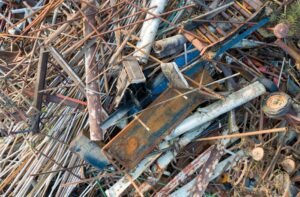
To maximize your returns, you must be able to categorize your scrap. Not all steel is treated equally by recyclers. The grading process separates materials based on chemical composition and physical properties. Sheet metal, for instance, is often lighter and thinner, requiring different processing equipment than heavy structural beams. When you bring your materials to a facility specializing in steel recycling sydney, the staff will inspect the load for contaminants like plastic, rubber, or non-ferrous attachments. These contaminants reduce the purity of the scrap, which directly lowers the price you receive.
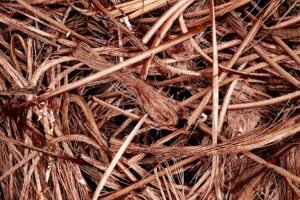
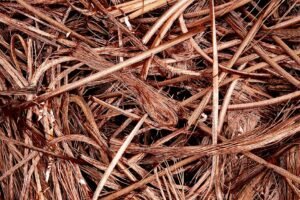
It is also essential to distinguish between ferrous and non-ferrous metals. While steel is magnetic and falls under the ferrous category, other metals like copper or aluminium are non-ferrous and command significantly higher prices. If your load is mixed, the recycler may offer a lower “mixed scrap” rate. By separating your metals beforehand, you can ensure you are getting the best possible price for each specific category. For those dealing with higher-value alloys, it is worth checking the Stainless Steel Scrap Price to see if your material qualifies for a premium rate.
Factors Influencing Your Return Per Kilogram
Several variables determine the final steel price per tonne you receive at the weighbridge. Beyond the global market, local factors such as transportation costs and processing overheads are significant. If you have a large volume of scrap, you may be eligible for pick-up services, though this will naturally be factored into the final offer. The distance from your site to the processing facility also impacts the net return.
Economic cycles play a massive role. During periods of high inflation, the cost of the energy required to melt down scrap steel increases, which can squeeze the margins for recycling plants and lead to lower payouts. However, the push for sustainable, green steel production in Australia is creating new demand for high-quality scrap, potentially stabilizing prices in the long term. Joining our Recycling Community is an excellent way to stay updated on these shifting market trends and connect with other professionals in the industry.
The Role of Logistics and Processing
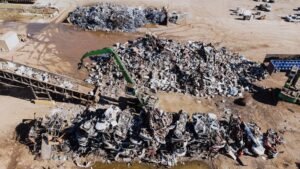
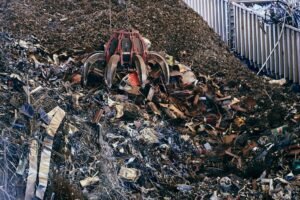
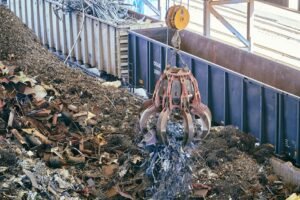
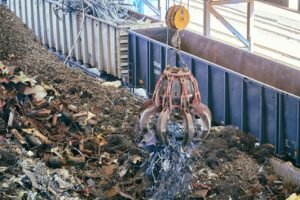
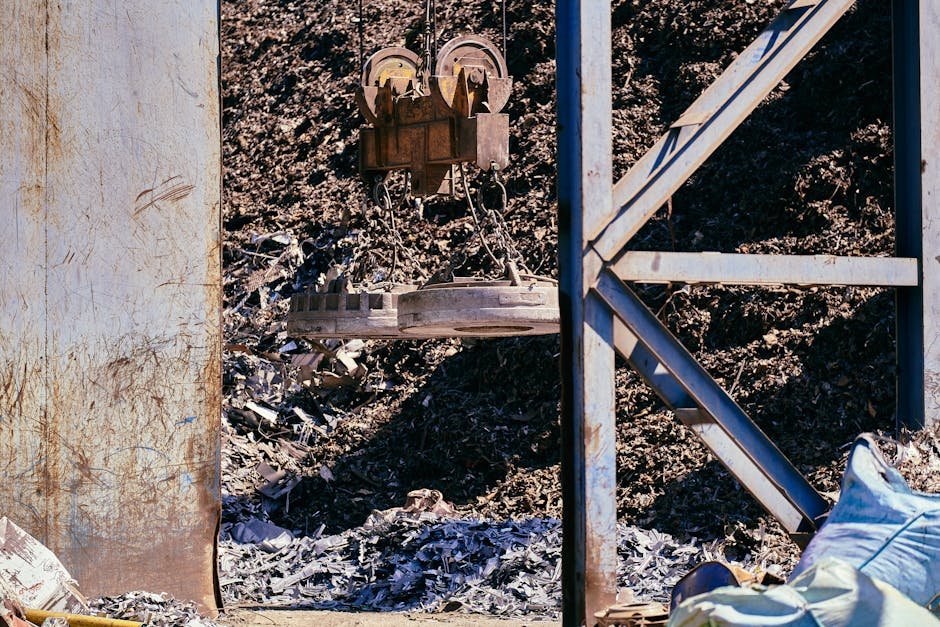
Once your steel reaches the facility, it undergoes a rigorous transformation process. Large shears and shredders reduce the bulk material into manageable pieces. This processed scrap is then melted in electric arc furnaces to create new steel products. Because this process uses significantly less energy than traditional blast furnaces, the demand for scrap steel is inherently tied to the environmental goals of steel manufacturers.
If you are looking for a reliable partner to manage your industrial scrap, visit Scrap Trade Australia to find facilities that prioritize transparency and efficiency. When you are selling, always ensure you have a clear understanding of the current market rates. While some recyclers may offer a flat rate, others provide tiered pricing based on the volume and cleanliness of the steel. Always ask for a breakdown of your weighbridge ticket to verify that you are being paid the correct rate for the specific grade of steel you provided.
Comparing Steel to Other Recyclable Metals
While steel is the backbone of the recycling industry, it is not the only material you might find on a job site. It is common to encounter other metals that require different handling. For example, if you are decommissioning old piping or electrical systems, you might come across lead components. Understanding the lead recycling price is important because, unlike steel, lead is toxic and requires specific handling procedures that can affect the price you are paid.
By diversifying your knowledge of metal recycling, you become a more effective seller. Understanding that different metals have different market cycles allows you to time your sales for maximum profit. If steel prices are currently low, you might choose to hold onto your stock until the market recovers, provided you have the storage space. This strategic approach to recycling is what separates professional scrap dealers from casual sellers.
Best Practices for Preparing Your Scrap
Preparation is the secret to getting the best recycling steel price. Recyclers prefer clean, sorted material because it saves them time and labor. If you bring a load of mixed scrap that contains wood, dirt, or concrete, the facility will have to spend time cleaning it, which will be deducted from your payout.
- Sort by type: Keep your mild steel separate from structural steel and stainless steel.
- Remove contaminants: Take off any plastic handles, rubber seals, or non-metallic attachments.
- Size matters: If you have access to cutting equipment, reducing the size of large, awkward pieces can sometimes allow them to be classified as higher-grade “prepared” scrap.
- Keep it dry: While steel is durable, excess rust and corrosion can sometimes lead to a lower grading, as it indicates a loss of metal mass.
For more expert advice on maximizing your scrap returns, visit the Scrap Trade platform, where we provide comprehensive data and resources for both commercial and residential sellers across Australia.
Future Trends in the Steel Recycling Industry
The future of the recycling steel price looks promising as the world moves toward a net-zero future. Steel is infinitely recyclable, meaning it can be melted down and reformed without losing its structural integrity. As manufacturers face pressure to reduce their carbon footprint, the reliance on high-quality scrap steel will only increase. We are seeing a shift where “green steel”—steel produced using renewable energy—is becoming a premium product, and the scrap that feeds these furnaces is becoming a highly sought-after commodity.
Technological advancements in sorting, such as X-ray fluorescence (XRF) and automated optical sorting, are making it easier for recyclers to identify and separate different alloys, which will lead to more accurate pricing and less waste. For the average seller, this means that the industry is becoming more sophisticated and transparent. Staying informed about these technological shifts will help you remain competitive and ensure that you are always getting the best value for your materials.
Conclusion
The recycling steel price is a complex but manageable metric if you arm yourself with the right knowledge. By understanding the factors that influence market values, correctly sorting your materials, and engaging with reputable recycling facilities, you can turn your scrap steel into a consistent revenue stream. Remember that the market is always changing, so keep an eye on current trends, utilize resources like our community forums, and always prioritize safety when handling and transporting heavy metal loads. Whether you are a large-scale industrial operator or a weekend recycler, the value of your scrap is waiting to be realized.
Frequently Asked Questions
How often does the recycling steel price change?
The recycling steel price can fluctuate daily based on global commodity markets, shipping costs, and local demand. While some yards update their prices weekly, major market shifts can lead to daily adjustments.
Does the condition of the steel affect the price?
Yes, the condition significantly impacts the price. Clean, rust-free steel that is free of contaminants like plastic, rubber, or concrete will always command a higher price per kilogram than dirty or mixed scrap.
Is it worth separating my scrap steel before selling?
Absolutely. Separating your steel by grade and removing non-metallic contaminants ensures you receive the best possible rate. Mixed loads are often bought at the lowest ‘mixed scrap’ price, which is significantly less than what you would get for sorted, high-quality steel.
What is the best way to find the current market price for steel?
You can check online platforms, industry news sites, or call your local scrap yard directly for their current buy rates. Keep in mind that prices vary by location, so it is best to check with facilities in your immediate area for the most accurate quote.