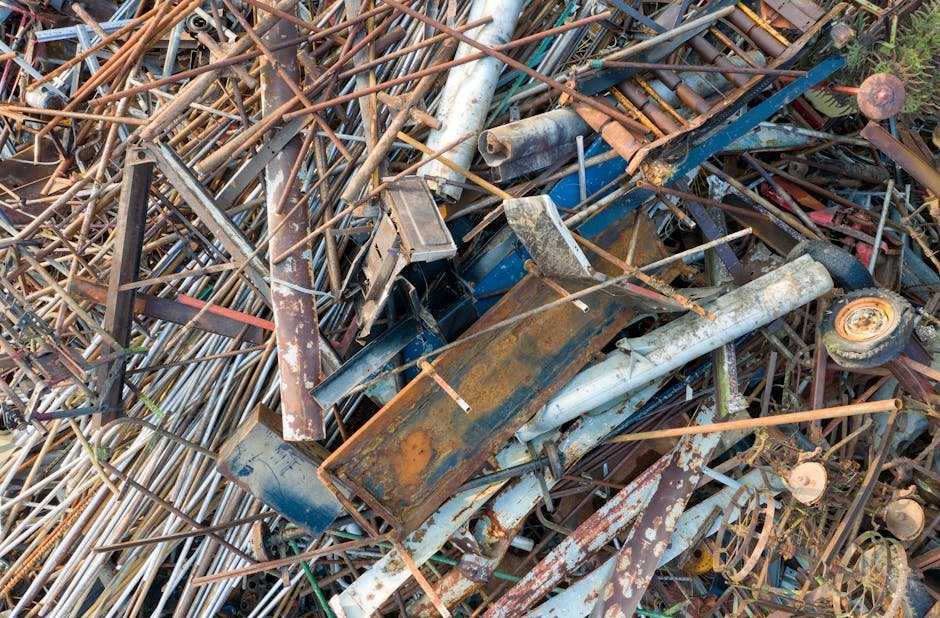

When you are looking to retire an old piece of agricultural equipment, understanding the value of a scrap metal harrow is essential for maximizing your bottom line. These heavy-duty implements, often composed of high-tensile steel discs or tines, represent a significant weight in ferrous scrap, making them highly desirable for recycling facilities across Australia. By choosing to recycle rather than abandon your equipment, you contribute to a circular economy that prioritizes resource efficiency. Whether you are dealing with a disc harrow, chain harrow, or a heavy-duty offset model, the process of liquidation begins with understanding current market dynamics and how to prepare your asset for the best possible valuation. For those tracking the fluctuating market, our Scrap Metal Prices page provides the most current data to help you time your disposal effectively. Navigating the complexities of scrap metal recycling requires more than just dropping off a load; it requires a strategic approach to grading, preparation, and selecting the right partner for the job. If you are searching for a reliable facility, you can easily find a Metal Scrap Yard Near Me to begin the assessment process.
Understanding the Grades of Agricultural Scrap
The classification of your scrap metal harrow depends heavily on the composition of the metal and the level of contamination present. In the Australian scrap industry, ferrous metals are categorized by their density, thickness, and chemical purity. A standard harrow is typically classified as ‘Heavy Melting Steel’ (HMS 1 or 2). HMS 1 consists of thicker, cleaner steel without heavy rust or non-metallic attachments, while HMS 2 may include thinner pieces or slight oxidation. Because harrows are engineered to withstand extreme soil resistance, they are often manufactured from high-carbon steel, which is highly sought after by steel mills. When preparing your equipment, removing non-metallic components like rubber tires, plastic hoses, or hydraulic fluid reservoirs is crucial. Contaminants can downgrade your load from ‘clean steel’ to ‘mixed scrap,’ significantly impacting the price per tonne. For a deep dive into the specifics of these classifications, the Ultimate Guide to scrap metal prices in Australia offers an exhaustive breakdown of how these grades are valued in the current market. By stripping the harrow down to its bare metal frame, you ensure the highest grade classification, translating to better payouts at the weighbridge. Professional recyclers like Crg Scrap Metal utilize advanced sorting technologies to identify specific alloys, ensuring that your high-quality steel is processed correctly and efficiently. Always consult with your yard manager about their specific requirements for ‘prepared’ versus ‘unprepared’ scrap, as cutting the frame into smaller, manageable pieces can often move your material into a higher-paying category.
The Lifecycle of a Recycled Harrow
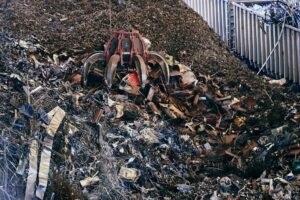
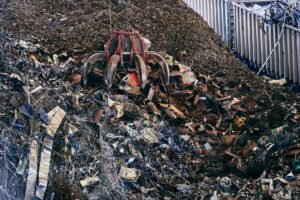
Recycling a scrap metal harrow is a multi-stage industrial process that transforms discarded farm equipment back into raw material for new manufacturing. Once the harrow reaches the yard, it undergoes a rigorous inspection process. First, the material is weighed on certified scales to establish a baseline for payment. Following this, the equipment is subjected to a primary reduction process, often using industrial shears or plasma cutters to break the large frame into segments that fit into a shredder or furnace. The shredding stage is where the magic happens; high-speed hammers crush the metal into fist-sized pieces, allowing magnets to separate the ferrous steel from non-ferrous materials like copper wiring or aluminum fittings that may have been hidden in the assembly. This secondary separation is critical for purity. Once the steel is isolated, it is baled or loaded into bulk containers for transport to steel mills. At the mill, these pieces are melted in an Electric Arc Furnace (EAF), which is significantly more energy-efficient than traditional blast furnaces. This molten steel is then cast into billets, blooms, or slabs, which are rolled into new products, ranging from construction rebar to automotive parts. By engaging with reputable industry leaders at Scrap Trade, you ensure that your equipment is handled according to Australian environmental standards, preventing hazardous materials from leaching into the soil. This entire process demonstrates the efficiency of the modern recycling loop, where the steel in your old harrow can be reborn as a new piece of infrastructure within weeks of being processed.
Environmental and Economic Benefits of Recycling
The decision to recycle a scrap metal harrow is not just a financial gain; it is a profound environmental statement. Steel is the most recycled material on the planet, and its properties do not degrade through the recycling process, allowing it to be reused infinitely. When you recycle one tonne of steel, you save approximately 1,100 kilograms of iron ore, 630 kilograms of coal, and 55 kilograms of limestone. This massive reduction in resource extraction directly preserves Australian landscapes from the degradation associated with mining. Furthermore, the energy savings are staggering; producing steel from recycled scrap requires 75% less energy than producing it from raw iron ore. This reduction in energy use leads to a substantial decrease in carbon emissions, directly supporting Australia’s commitment to climate action and sustainability. Economically, the scrap metal industry supports thousands of jobs across regional and urban Australia, from yard workers to logistics providers. By participating in this market, you are supporting the local economy and ensuring that valuable raw materials remain within the domestic supply chain rather than being exported as waste. For those interested in the broader impact of their recycling habits, resources available at Scrap Trade Australia provide comprehensive insights into how individual contributions impact the national circular economy. Beyond the immediate financial reward, you are helping to reduce the ‘hidden’ costs of manufacturing, such as transportation, water usage, and waste management. Taking the time to properly recycle your farm machinery is a practical step toward a more sustainable future for Australian agriculture.
Best Practices for Preparing Your Scrap
Preparation is the single most effective way to ensure you receive the maximum value for your scrap metal harrow. Many sellers lose money simply because they deliver ‘dirty’ loads. Start by removing all non-metallic attachments. If the harrow has hydraulic cylinders, these should be drained of oil and removed, as hydraulic oil is a hazardous contaminant that can cause a yard to reject your entire load. If you have the tools, cutting the frame into pieces no larger than one meter in length can often qualify the load as ‘prepared steel,’ which commands a premium price over ‘unprepared’ or ‘oversized’ scrap. Keep in mind that different yards have different equipment; some may prefer the piece to be whole for their heavy-duty shears, while others may prefer it cut. A quick phone call to your chosen yard before you load your trailer can save you hours of unnecessary labor. Always ensure your load is secured according to road safety regulations; heavy steel can shift during transport, posing a danger to yourself and other motorists. When you arrive at the yard, be prepared to provide identification if required, as many Australian states have strict regulations regarding the sale of scrap to prevent the trade of stolen goods. Keep records of your transactions, as these can be valuable for your business accounting and tax purposes. By treating your scrap metal disposal as a professional business transaction, you elevate your status from a casual seller to a preferred supplier, which can lead to better relationships with yard managers and access to more favorable pricing structures over the long term.
Navigating Market Trends and Future Outlook
The Australian scrap metal market is sensitive to global commodity prices, which are influenced by demand from major manufacturing hubs in Asia and the strength of the Australian dollar. Understanding these trends can help you decide when to sell your scrap metal harrow. Generally, when global steel demand is high, domestic prices for heavy scrap follow suit. However, local supply chain issues and transport costs can also influence the price you receive at the gate. It is wise to monitor the market periodically rather than waiting until you have a massive pile of scrap to dispose of. By selling in smaller, consistent batches, you can hedge against market volatility. The future of the industry is leaning heavily toward increased automation and better sorting technology, which will likely lead to even higher recovery rates for specialized alloys found in high-end agricultural equipment. As the world moves toward ‘green steel’ initiatives, the demand for high-quality recycled steel will only increase, as it is the primary feedstock for low-carbon steel production. This long-term trend suggests that the value of your scrap metal assets will remain robust. Stay informed by following industry bulletins and maintaining contact with your local scrap yard. Remember that your participation in the market is what keeps the cycle moving; without the consistent supply of quality scrap from farmers and contractors, the industry would struggle to meet the demands of the manufacturing sector. By staying engaged, you ensure that you are not just a passive participant but an active contributor to the health of the Australian industrial landscape.
Frequently Asked Questions
What is the best way to identify if my harrow is high-grade steel?
Most agricultural harrows are constructed from high-carbon or alloy steel to withstand soil abrasion. You can verify this by checking for magnetic properties and the presence of heavy-duty welds, which typically indicate structural steel suitable for high-grade recycling.
Do I need to remove paint and rust before selling my scrap metal harrow?
No, you do not need to remove surface rust or paint, as these are easily removed during the industrial melting process. However, you must remove all non-metallic attachments like rubber hoses, plastic parts, and hydraulic fluids to avoid contamination penalties.
How do scrap yards determine the final price for my equipment?
Yards determine the price based on the current market rate for the specific grade of steel, the weight of the load, and the level of preparation. Prepared, clean, and sorted steel will always fetch a higher price per tonne than mixed or contaminated loads.
Is it worth cutting the harrow into smaller pieces myself?
Yes, if you have the equipment and safety training, cutting the harrow into smaller, manageable pieces can often move your material from ‘unprepared’ to ‘prepared’ status. This classification change usually results in a significantly higher payout per tonne.