
When considering scrap metals recycling tottenham, it is essential to understand that this industrial process is a cornerstone of the Australian circular economy. Whether you are a construction firm, a local manufacturer, or an individual tradesperson, managing your metal waste effectively not only helps the environment but also provides a significant revenue stream. By choosing professional facilities, you ensure that your materials are handled according to strict environmental standards, turning discarded items into valuable commodities that fuel new production cycles.
The Fundamentals of Scrap Metals Recycling Tottenham
The industry surrounding scrap metals recycling tottenham has evolved from simple collection into a sophisticated technological operation. Recycling is not merely about dumping metal into a bin; it is a precise science of material identification and separation. When you bring your scrap to a specialized facility, the material undergoes a rigorous testing process to determine its chemical composition and purity. This is where the distinction between ferrous and non-ferrous metals becomes critical. Ferrous metals, such as iron and steel, are magnetic and constitute the bulk of construction scrap. Non-ferrous metals, including copper, aluminium, brass, and lead, are highly sought after due to their conductivity and resistance to corrosion.
Understanding the difference between these types is vital for maximizing your returns. For those looking to optimize their operations, reading our guide on Scrap Trading Vs Recycling Business can clarify how market fluctuations affect the value of your scrap. Furthermore, if you are looking for local solutions, searching for Scrap Metal Recycling Near Me will connect you with facilities that offer competitive pricing and efficient logistics. The process generally follows a path: collection, sorting, shredding, melting, and purification. Each stage is designed to remove impurities, ensuring that the final product meets the high-grade specifications required by modern manufacturers.
Understanding Metal Grades and Market Value
In the world of scrap, quality is measured by grade. High-grade copper, for instance, is categorized based on its cleanliness—free of insulation, paint, or oxidation. Lower grades, which may contain attachments or mixed alloys, command a lower price because they require more energy and chemical processing to refine. As you delve deeper into the industry, it is helpful to refer to Allied Scrap Metal Your Guide To Selling And Recycling Scrap Metals to understand how sorting your materials at the source can significantly increase your payout. In Tottenham, the proximity to industrial hubs makes it easier to aggregate large quantities of specific grades, which is often a key strategy for commercial scrap sellers.
Metals are graded based on their density, purity, and the ease with which they can be melted down. Aluminium, for example, is graded into categories like ‘extrusion,’ ‘cast,’ or ‘sheet.’ Each category has a specific market price driven by global supply and demand. By learning to identify these grades, you transition from a casual recycler to a strategic scrap trader. This knowledge is particularly useful if you are also exploring options like scrap metal recycling artarmon, where similar grading standards apply. The goal is to provide the recycler with a product that is as close to pure as possible, reducing their processing burden and increasing your profit margin.
The Environmental Impact of Metal Recycling
The primary environmental driver for scrap metals recycling tottenham is the massive reduction in energy consumption compared to virgin mining. Extracting iron ore, copper, or bauxite from the earth is an energy-intensive process that leaves a deep carbon footprint. When we recycle metal, we bypass the mining, transportation, and initial smelting phases. For instance, recycling aluminium saves approximately 95% of the energy required to produce it from raw bauxite ore. This energy saving translates directly into lower greenhouse gas emissions, helping Australia meet its environmental targets.
Beyond energy savings, recycling prevents toxic substances from entering landfills. Many scrap items, such as old batteries, electronic waste, or lead-lined plumbing, contain hazardous materials that can leach into groundwater if disposed of incorrectly. Professional metal recycling facilities are equipped with the infrastructure to capture these toxins, ensuring they are neutralized or recycled safely. By participating in the recycling ecosystem, businesses contribute to a cleaner, more sustainable future. For those interested in broader industrial trends, the leading Australian metal recycling marketplace offers extensive data on how sustainable practices are shaping the industry. Similarly, you can find specific insights on metal recycling tottenham to see how local facilities are adapting to these green initiatives.
How the Recycling Process Works: From Collection to Commodity
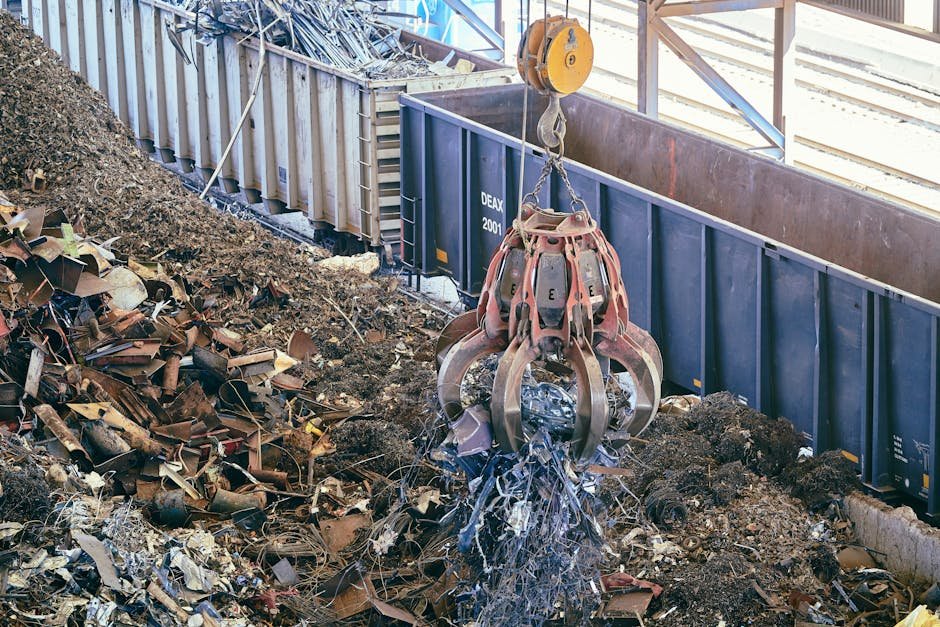
The journey of a piece of scrap metal is a fascinating logistical feat. It begins with collection, where scrap is gathered from demolition sites, manufacturing plants, and consumer households. Once collected, the metal is transported to a processing facility. Here, heavy-duty machinery comes into play. Magnetic separators are used to pull ferrous metals from the mix, while eddy current separators are employed to isolate non-ferrous metals like aluminium. This automated sorting is the backbone of modern recycling efficiency.
After sorting, the metal is shredded into smaller pieces. Shredding increases the surface-area-to-volume ratio, which makes the subsequent melting process much faster and more energy-efficient. These shredded pieces, often called ‘fragmented scrap,’ are then melted in massive furnaces. The molten metal is refined, with chemical additives used to strip away remaining impurities. Finally, the liquid metal is cast into ingots, billets, or slabs—standardized forms that can be easily transported to factories to be turned into new products. This closed-loop system is why metal is one of the most sustainable materials on the planet; it can be recycled indefinitely without losing its structural integrity.
Best Practices for Businesses and Contractors
For businesses in Tottenham, managing scrap effectively is an operational necessity. The first step is implementing an on-site segregation system. Instead of throwing all waste into a single skip, use clearly labeled bins for copper, brass, aluminium, and steel. This simple step prevents cross-contamination and ensures that you receive the highest possible price for your materials. Training your staff to recognize valuable grades is an investment that pays for itself quickly.
Logistics also play a crucial role. If you are generating large volumes of scrap, coordinate with your recycling partner to schedule regular pickups. This keeps your site clean, safe, and organized. Always maintain documentation of your scrap sales; this is not only good for accounting but also essential for demonstrating your commitment to environmental sustainability to your clients. For further resources on optimizing your scrap management, you can visit the official scrap trading portal to connect with a network of verified buyers and sellers.
The Future of Scrap Recycling in Australia
The future of the industry is leaning heavily toward automation and advanced material recovery. As technology advances, we are seeing the rise of X-ray fluorescence (XRF) analyzers that can identify metal alloys in seconds. This precision allows for even cleaner recycling streams, which in turn leads to higher-quality recycled materials that can compete directly with virgin metals. Furthermore, government regulations are increasingly favoring circular economy models, providing incentives for businesses that prioritize recycling over disposal.
As urban centers like Tottenham continue to develop, the demand for recycled metal will only increase. Construction projects are increasingly mandated to meet green building standards, which often include requirements for recycled content. By positioning your business as a proactive participant in the recycling chain, you are not just selling scrap—you are becoming a vital link in the supply chain for the next generation of Australian infrastructure. Whether you are a small contractor or a large industrial firm, the benefits of engaging with professional recycling services are clear: economic gain, regulatory compliance, and a tangible contribution to a sustainable planet.
Practical Tips for Maximizing Scrap Returns
To get the most out of your scrap, preparation is key. Always remove non-metal attachments from your scrap. For example, if you have copper wiring, stripping the plastic insulation can significantly increase the grade and the value of the copper. Keep your scrap dry and protected from the elements; rust and oxidation can degrade the quality of ferrous metals and lower the price. If you have bulky items, consider cutting them down to size if you have the equipment, as this makes transportation and processing easier for the recycler.
Communication with your scrap metal dealer is also vital. Ask them about their specific requirements for different grades. Some dealers may have a preference for certain types of scrap based on their current export contracts or local manufacturing demand. Building a long-term relationship with a reputable facility ensures that you are always informed about market trends and price fluctuations. Remember, the scrap market is global; keeping an eye on international commodity prices can give you a better understanding of when it is the best time to sell your accumulated stock.
Conclusion
The importance of scrap metals recycling tottenham cannot be overstated. It is a vital industry that bridges the gap between waste management and resource production. By understanding the grades, the environmental benefits, and the logistical processes involved, you can turn your metal waste into a valuable asset while supporting a sustainable future. Whether you are a professional tradesperson or a local resident, taking the time to recycle correctly makes a measurable difference. We encourage you to reach out to local experts, utilize professional trading platforms, and stay informed about the latest developments in the metal recycling sector. Together, we can ensure that Australia remains at the forefront of the circular economy, turning today’s scrap into tomorrow’s infrastructure.
Frequently Asked Questions
What is the most valuable metal to recycle?
Copper is generally the most valuable common scrap metal due to its high demand in electrical and plumbing industries. Other high-value metals include brass, stainless steel, and specialized alloys.
Do I need to clean my scrap metal before recycling?
Yes, cleaning your scrap by removing non-metal attachments like plastic, rubber, or wood significantly increases its grade and value. Clean, sorted metal is much easier for facilities to process.
How does recycling metal help the environment?
Recycling metal drastically reduces the need for energy-intensive mining and smelting of virgin ores. This process saves vast amounts of energy and reduces carbon emissions associated with industrial production.
How often do scrap metal prices change?
Scrap metal prices fluctuate daily based on global supply and demand, as well as international commodity market trends. It is recommended to contact your local recycler for current pricing before selling.