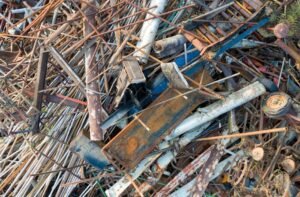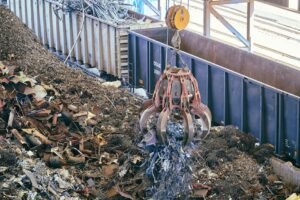

Rockingham scrap metal recycling is a cornerstone of sustainable practices in Western Australia. From industrial facilities to residential collections, the region processes thousands of tons annually, contributing to global resource conservation. Understanding the grades of scrap metal, how recycling works, and its environmental impact empowers businesses and individuals to engage effectively in this vital industry.
Overview of Rockingham Scrap Metal Recycling
Rockingham, a coastal city in Perth’s southern suburbs, is a hub for rockingham scrap metal operations due to its proximity to major ports and industrial zones like Kwinana. The region handles a diverse range of scrap, from automotive parts to construction debris, driven by demand from manufacturing and construction sectors. According to recent statistics, over 80% of ferrous scrap and 65% of non-ferrous scrap in Rockingham is recycled annually, aligning with Australia’s national recycling targets.
Local initiatives, such as partnerships between councils and Scrap Trade, streamline collection and processing. For instance, the City of Rockingham’s Waste Management Plan prioritizes scrap metal diversion from landfills, offering free scrap metal for pick up services for residents.
Understanding Grades of Scrap Metal
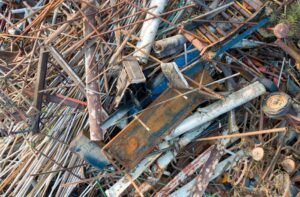
Scrap metal is categorized into grades based on composition, purity, and usability. In Rockingham, the primary classifications include:
- Ferrous metals: Contain iron and are magnetic. Common types include:
- Steel (construction, automotive)
- Cast iron (machinery, piping)
- Stainless steel (appliances, industrial equipment)
- Non-ferrous metals: Non-magnetic and resistant to corrosion. Key examples:
- Copper (electrical wiring, plumbing)
- Aluminium (furniture, beverage cans)
- Brass (fittings, valves)
- Lead (batteries, radiation shielding)
Specialty grades, such as mixed scrappage (construction demolition waste) and shredder residue (automotive recycling byproducts), require advanced sorting technologies. Rockingham recyclers use X-ray fluorescence (XRF) and eddy current separators to isolate high-value metals like copper and aluminium from mixed scrappage.
The Rockingham Scrap Metal Recycling Process
Recycling rockingham scrap metal follows a structured workflow to maximize efficiency:
- Collection: Scrap is sourced from demolition sites, manufacturing facilities, and residential disposals. Scrap metal Rockingham providers offer bulk collection services, including scrap metal for pick up via trucks or compactors.
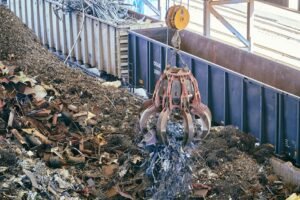
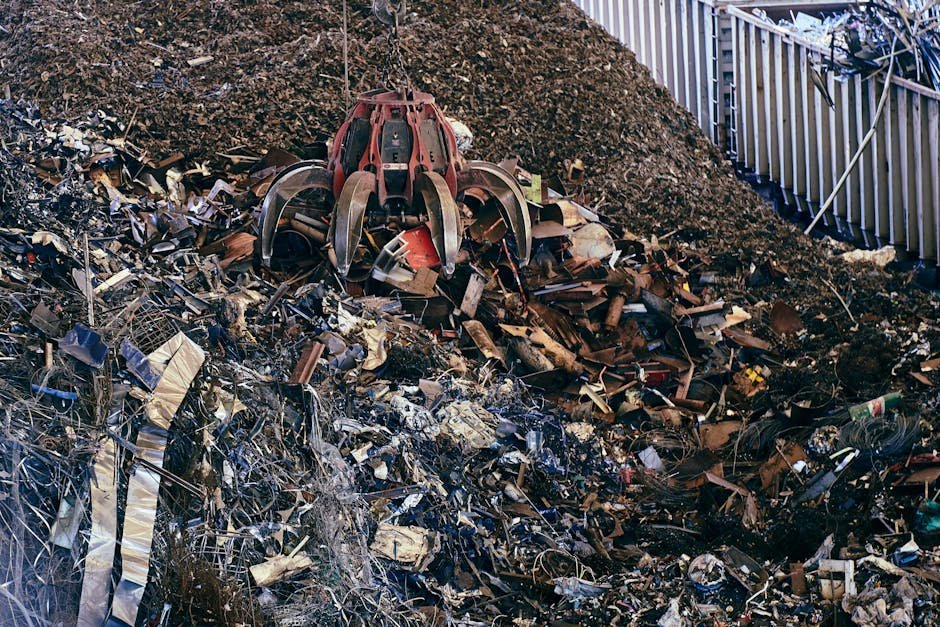
- Sorting: Ferrous and non-ferrous metals are separated using magnets and optical sorting. Contaminants like plastics and ceramics are removed via air classifiers.
- Shredding/Processing: Large items (e.g., appliances) are shredded into smaller pieces. For example, a single car shredder in Kwinana processes 200 vehicles daily, yielding 1,200 kg of steel and 150 kg of copper.
- Refining: High-purity metals like aluminium ingots are produced through smelting, while lower-grade ferrous metals are pelletized for steelmaking.
- Reutilization: Recycled metals feed into local industries, such as the production of precast concrete forms in Rockingham’s construction sector.
Technological advancements, like AI-powered optical sorters, have increased Rockingham’s recycling efficiency by 30% over the past decade.
Environmental Benefits of Scrap Metal Recycling
Recycling rockingham scrap metal significantly reduces environmental degradation. Key benefits include:
- Resource Conservation: Recycling 1 ton of steel saves 2,500 pounds of iron ore and 1,400 pounds of coal. Rockingham’s annual 100,000-ton steel recycling effort conserves over 50,000 tons of raw materials.
- Emissions Reduction: Producing recycled aluminium uses 95% less energy than primary production. This translates to avoiding 22,000 tons of CO2 emissions annually in Rockingham.
- Landfill Diversion: The region diverts 15% of its solid waste from landfills through metal recycling, preventing soil and water contamination from heavy metals.
Initiatives like the Scrap Trade program track these metrics, demonstrating Rockingham’s role in Australia’s 2030 circular economy goals.
Practical Tips for Selling Scrap Metal in Rockingham
Maximize value and sustainability when selling rockingham scrap metal with these strategies:
- Sort and Clean: Separate ferrous/non-ferrous metals and remove non-metallic debris to increase buyer offers. A clean load can boost prices by 10–15%.
- Track Prices: Monitor scrap metal prices for fluctuations. For example, copper prices in Rockingham rose 22% in 2023 due to renewable energy demand.
- Use Local Services: Partner with Scrap Metal Recycling Near Me providers for efficient collection, especially for large volumes.
- Document Origins: Provide certificates of origin for scrap from regulated industries (e.g., automotive) to meet legal requirements under WA’s Environment Protection Act.
For businesses, Sell Scrap Metal Near Me In 2026 services offer real-time quotes and logistics support, ensuring competitive returns.
The Economic Impact of Scrap Metal Recycling in Rockingham
Rockingham scrap metal recycling contributes $120 million annually to the local economy, supporting 800+ jobs across collection, processing, and manufacturing. Key sectors include:
- Steel Production: Ferrous scrap fuels the Kwinana Steelworks, which produces 5 million tons of steel per year.
- Aluminium Smelting: Recycled aluminium is used in beverage cans and aerospace components, leveraging Rockingham’s proximity to Fremantle Port.
- Small Business Growth: Over 150 SMEs specialize in scrap collection and sorting, generating $45 million in annual revenue.
Investments in green technology, such as electric arc furnaces, are further boosting the region’s competitiveness in the global recycled metals market.
Future Trends in Rockingham Scrap Metal Recycling
Emerging trends will shape rockingham scrap metal recycling in the coming decade:
- Smart Sorting: AI-driven systems will enhance accuracy in separating rare earth metals from e-waste, critical for renewable energy technologies.
- Blockchain Transparency: Platforms like Scrap Trade are piloting blockchain to track metal origins, ensuring ethical sourcing and compliance with ESG standards.
- Community Recycling Hubs: The City of Rockingham plans to install 20 new drop-off points by 2027, increasing residential participation to 75%.
These innovations align with Australia’s National Waste Policy, aiming to achieve 80% resource recovery by 2030.
Conclusion: Embracing Rockingham’s Scrap Metal Revolution
Rockingham scrap metal recycling is a linchpin of environmental and economic sustainability. By understanding metal grades, leveraging efficient recycling processes, and adopting eco-conscious practices, stakeholders can contribute to a circular economy. Whether you’re a homeowner with old copper wiring or a business managing industrial scrap, Rockingham’s robust infrastructure ensures your materials are transformed into valuable resources.
Start today by finding local recyclers or requesting a pick-up. Together, we can make Rockingham a model for sustainable metal recycling in Australia.
Frequently Asked Questions
What are the most common grades of scrap metal in Rockingham?
Rockingham processes high volumes of ferrous metals like steel and cast iron, along with non-ferrous metals such as copper, aluminium, and brass. Specialty grades, including e-waste and automotive shredder residue, are also common due to industrial activity in Kwinana.
How does scrap metal recycling benefit the environment?
Recycling reduces the need for mining raw materials, cuts energy consumption by up to 95% for aluminium, and diverts 15% of Rockingham’s waste from landfills, preventing soil and water contamination.
Where can I sell scrap metal in Rockingham?
Use local services like Scrap Metal Recycling Near Me or Scrap Metal Rockingham for competitive pricing and efficient collection, including scrap metal for pick up options.
How are scrap metal prices determined in Rockingham?
Prices fluctuate based on global commodity markets, metal purity, and demand from industries like construction and manufacturing. Track real-time Scrap Metal Prices to optimize your returns.