
Salvage metal prices in Australia are determined by a blend of global market dynamics, local supply and demand, and regulatory factors. Whether you’re a seller, trader, or recycler, understanding these variables is critical to maximizing value and staying competitive. This guide provides an in-depth breakdown of current salvage metal prices, how they’re calculated, and the forces shaping the industry today.
Overview of Salvage Metal Pricing in Australia
The Australian salvage metal market is a vital component of the circular economy, recovering valuable materials from decommissioned infrastructure, vehicles, and industrial waste. Prices fluctuate based on raw material availability, energy costs, and the global demand for recycled metals. For real-time updates on scrap metal prices, platforms like ScrapTrade.com.au offer detailed analytics and localized data.
How Salvage Metal Prices Are Determined
Global Market Influence
Salvage metal prices are heavily influenced by international trade. For example, China’s demand for ferrous metals drives global steel prices, which directly impact Australian markets. Non-ferrous metals like copper and aluminium are also sensitive to geopolitical events, such as supply chain disruptions in South America.
Local Supply and Demand
In Australia, construction booms and mining activity increase demand for steel, while automotive and electronics industries boost copper and aluminium recycling. Shortages in raw material supply—from incidents like mine closures—can cause metal prices to surge.
Recycling Infrastructure
Efficient sorting and processing facilities are essential for accurate pricing. High-purity alloys fetch premium rates, while contaminated scrap is discounted. Recycling hubs in Western Australia and New South Wales often set regional benchmarks for salvage metal prices.
Current Market Rates for Salvage Metals in 2024
As of Q1 2024, the salvage metal prices per kilogram in Australia are:
- Ferrous Metals (e.g., steel, iron): $0.20–$0.35/kg
- Copper: $5.00–$6.50/kg
- Aluminium: $1.20–$1.80/kg
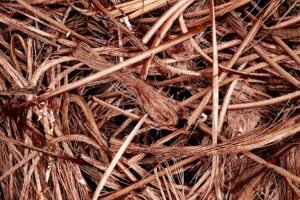
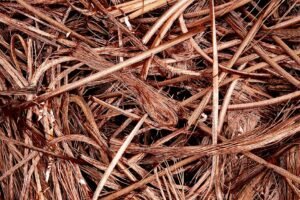
- Copper Wire: $8.00–$9.50/kg
- Precious Metals (e.g., gold, silver): Priced per gram (check metal prices for scrap for live data)
Prices are often quoted per tonne for bulk transactions, with ferrous metals ranging from $200–$350/tonne and copper at $5,000–$6,500/tonne.
Key Factors Affecting Salvage Metal Prices
Economic Indicators
Interest rates and GDP growth influence investment in recycling infrastructure. For instance, the Reserve Bank of Australia’s monetary policy can affect financing costs for scrap yards, indirectly shaping salvage metal prices.
Environmental Regulations
Stricter recycling laws, such as Australia’s National Waste Policy Action Plan, boost demand for scrap metals by mandating higher reuse rates. Carbon pricing also impacts energy-intensive metal production, making recycled metals more economically viable.
Technological Advancements
AI-driven sorting systems and blockchain-based tracking are improving the efficiency of salvage metal recovery. These innovations reduce processing costs, allowing recyclers to offer competitive prices to suppliers.
Practical Tips for Maximizing Returns on Salvage Sales
- Check Local Rates: Use scrap metal prices near me tools to identify high-paying buyers in your region.
- Purify Materials: Remove non-metallic components like plastic or glass to avoid price deductions.
- Time Your Sales: Sell during peak demand periods, such as infrastructure project launches.
Future Trends in the Salvage Metal Market
Electric vehicle (EV) production is expected to drive demand for copper and lithium in the next decade. Additionally, Australia’s push for renewable energy projects will increase the need for steel and aluminium, likely raising salvage metal prices in the long term.
Conclusion
Salvage metal prices remain a cornerstone of Australia’s recycling economy. By monitoring global markets, leveraging local data from ScrapTrade.com.au, and adopting best practices for material recovery, stakeholders can navigate this complex sector with confidence. For the most accurate metal prices today, always consult trusted price-tracking platforms.
Frequently Asked Questions
How can I check current salvage metal prices in Australia?
Use online tools like Scrap Trade to access real-time data on salvage metal prices by location and metal type.
What factors influence fluctuations in salvage metal prices?
Prices are impacted by global demand, energy costs, recycling infrastructure efficiency, and government policies like carbon pricing and waste regulations.
What’s the difference between scrap and salvage metal pricing?
Salvage metal pricing focuses on high-value, high-purity materials from industrial or construction sources, while scrap metal pricing often applies to mixed or low-grade materials.
How can I maximize profits when selling salvage metal?
Sort metals by type and purity, compare scrap metal prices near me, and sell during periods of high demand like infrastructure project cycles.