
Navigating the volatile landscape of scrap aluminium prices per kg requires a blend of market awareness and an understanding of how recycling facilities value different material grades. Aluminium is one of the most recycled materials on the planet, and its value is intrinsically linked to global industrial demand, energy costs, and supply chain logistics. Whether you are a tradesperson clearing a construction site or a business owner managing industrial waste, knowing how to maximize your returns starts with understanding the fundamentals of the secondary metal market.
Understanding the Market: How Scrap Aluminium Prices per Kg are Determined
The price you receive at a weighbridge is rarely arbitrary. Instead, it is a reflection of global economic conditions filtered through local processing costs. The primary benchmark for all global metal trading is the London Metal Exchange (LME). When you look at Scrap Prices, you are seeing a local adaptation of these global figures.
Several factors dictate the final payout:
- LME Spot Price: The baseline cost for virgin aluminium. If the LME price rises, scrap prices generally follow suit.
- Currency Fluctuations: Since aluminium is traded in USD, the strength of the Australian Dollar significantly impacts the local price per tonne.
- Processing Costs: Aluminium requires sorting, cleaning, and melting. High-grade materials that require less processing command higher prices.
- Local Demand: If local smelters are hungry for feedstock, they may offer premiums to secure consistent supply.
For those looking for real-time data, checking Scrap Metal Prices regularly is essential. Market volatility means that a price quoted today might not be valid in a week. Factors like transportation costs—how far you are from the recycling facility—also play a role. If you are searching for the best rates, using a tool to find Scrap Metal Prices Near Me can help you compare local yards effectively.
Classifying Aluminium Grades: What You Have Matters
Not all aluminium is created equal. The purity of the alloy determines the price. Recyclers categorize materials to streamline the smelting process. Understanding these grades is the most effective way to increase your profit margins.
Common Grades:
- Aluminium Extrusion: Often found in window frames and door frames. This is generally high-purity, clean aluminium that commands a higher price per kg.
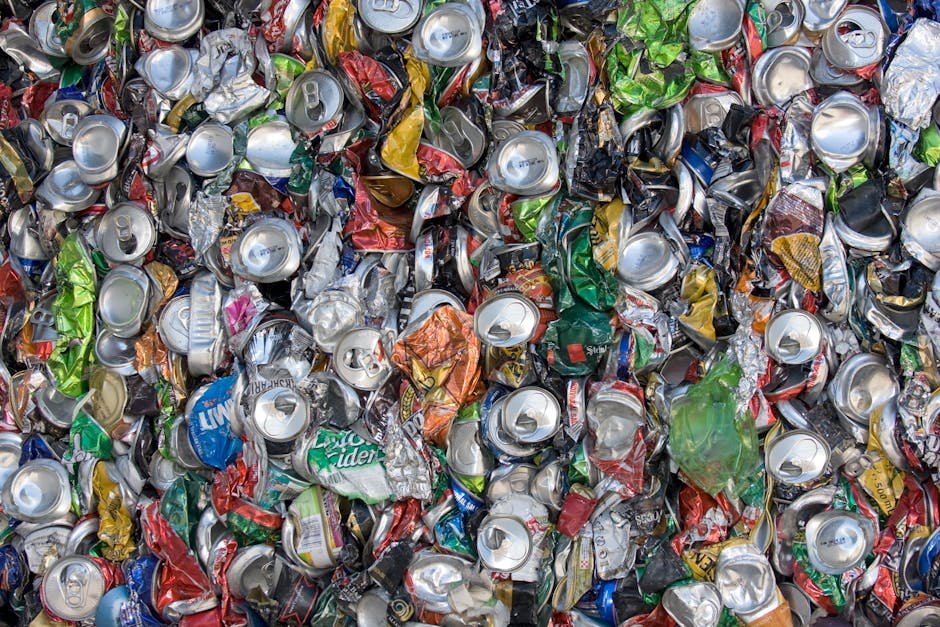
- Aluminium Cans (UBC): Used Beverage Cans are a staple of the recycling industry. While light, they are highly sought after due to their infinite recyclability.
- Cast Aluminium: Found in engine blocks, transmission cases, and outdoor furniture. It contains more impurities like silicon and iron, often resulting in a lower price compared to wrought alloys.
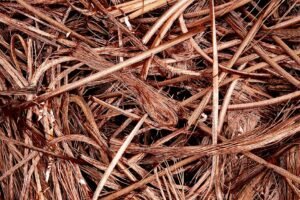
- Aluminium Wire/Cable: Clean, unalloyed wire is highly valuable. If the wire is insulated, it may need to be stripped to reach the highest price tier.
When you are preparing your scrap, keep these grades separate. Mixing high-grade extrusion with low-grade cast aluminium will result in the entire batch being valued at the lowest common denominator. For specific insights into current market trends, you can explore aluminium scrap metal prices to see how specific alloys are performing.
The Logistics of Recycling: From Scrap to New Metal
The process of recycling aluminium is a triumph of circular economy principles. Unlike plastic, which degrades with each cycle, aluminium can be recycled indefinitely without losing its physical properties. This is why the industry is so robust.
The journey begins with collection and sorting. Advanced facilities use eddy current separators and X-ray fluorescence (XRF) technology to identify and sort alloys with precision. Once sorted, the aluminium is shredded into small pieces to remove coatings and contaminants. These “chips” are then fed into a furnace where they are melted at approximately 660 degrees Celsius. The molten metal is then cast into ingots, which are sold to manufacturers to create everything from new car parts to beverage cans.
This process consumes 95% less energy than producing primary aluminium from bauxite ore. By participating in this system, you aren’t just earning money; you are contributing to a massive reduction in industrial carbon footprints. If you have other materials, such as old engines, you might also be interested in scrap motor prices to maximize the value of your entire scrap load.
Environmental and Economic Benefits
The environmental case for aluminium recycling is ironclad. Bauxite mining is an invasive process that requires significant land clearing and energy-intensive refining. By recycling, we bypass the need for new mining, preserving natural habitats and drastically lowering greenhouse gas emissions.
Economically, a strong scrap market supports thousands of jobs in Australia, from logistics and collection to high-tech processing and smelting. When you choose to sell your scrap to a reputable dealer, you are supporting a domestic industry that keeps materials within the country rather than exporting them as waste. For those looking for a professional partner in the industry, Scrap Trade provides the resources needed to navigate the market, while those seeking specialized Australian services can visit Scrap Trade Australia for localized support.
Practical Tips for Maximizing Returns
To get the best scrap aluminium prices per kg, preparation is key. Here are expert tips to ensure you are paid what your material is worth:
- Clean your scrap: Remove plastic, steel screws, rubber gaskets, and wood. Contamination is the number one reason for price deductions.
- Sort by grade: Never mix your metals. Keep your clean extrusion separate from your cast aluminium and your cans.
- Volume matters: If you have a large quantity, call the yard ahead of time. They may offer a better price per tonne for bulk loads.
- Monitor the market: Prices fluctuate. If you aren’t in a rush, wait for a market uptick before selling your stockpiled materials.
- Build a relationship: If you are a regular supplier, yards are more likely to offer you preferential pricing and better service.
The Future of the Aluminium Market
As the world shifts toward a “net-zero” economy, the demand for recycled aluminium is projected to skyrocket. Electric vehicles (EVs) require significant amounts of lightweight aluminium to improve battery efficiency and range. This surge in demand for lightweight, sustainable materials ensures that the long-term outlook for scrap aluminium remains positive.
Furthermore, technological advancements in sorting will continue to improve the quality of recycled feedstock, making it nearly indistinguishable from primary metal. This will likely narrow the price gap between virgin and recycled materials, potentially driving up the value of scrap even further. Keeping an eye on the Scrap Metal Prices will be increasingly important as the industry evolves.
Conclusion: Why Your Scrap Matters
Aluminium is a vital commodity in the modern world. Whether you are dealing with small quantities of cans or large industrial loads of extrusion, you are part of a global supply chain that values efficiency and sustainability. By understanding how scrap aluminium prices per kg are calculated and taking the time to properly sort and clean your materials, you ensure that you receive the best possible payout while contributing to a greener future.
Always remember that the market is dynamic. Stay informed, keep your materials sorted, and choose a reputable recycling partner to ensure your scrap is handled with the professionalism it deserves. The value of your scrap is waiting to be realized—make sure you are capturing every cent.
Additional Considerations for Industrial Suppliers
For industrial clients, the focus shifts from individual pieces to logistics. If you are generating consistent scrap, consider investing in on-site baling or compaction equipment. This reduces the footprint of your scrap, lowers transportation costs, and often makes your material more attractive to buyers. Many scrap yards provide bins or skip services for regular industrial clients, which can streamline your waste management process significantly. Ensure that your staff is trained in basic metal identification so that high-value materials don’t end up in general waste bins, which is essentially throwing money away. By auditing your waste streams, you can turn a cost center—waste removal—into a revenue stream.
Frequently Asked Questions
Frequently Asked Questions
What is the best way to tell if my scrap is aluminium?
The easiest way is to use a magnet; aluminium is non-ferrous and will not stick to a magnet. Additionally, aluminium is lightweight, does not rust, and often has a dull silver or white appearance when weathered.
Do I need to strip the paint off my aluminium scrap?
No, you do not need to strip paint. However, clean, bare aluminium generally commands a higher price than painted or coated aluminium because it requires less processing at the smelter.
Why do scrap prices change so frequently?
Scrap prices are tied to the global commodities market and the London Metal Exchange. Changes in global supply, demand, energy prices, and currency exchange rates cause these prices to fluctuate daily.
Can I get a better price if I have a large amount of scrap?
Yes, most scrap yards provide better pricing for bulk quantities. It is always recommended to call your local yard ahead of time if you have a large load to negotiate a better rate per tonne.