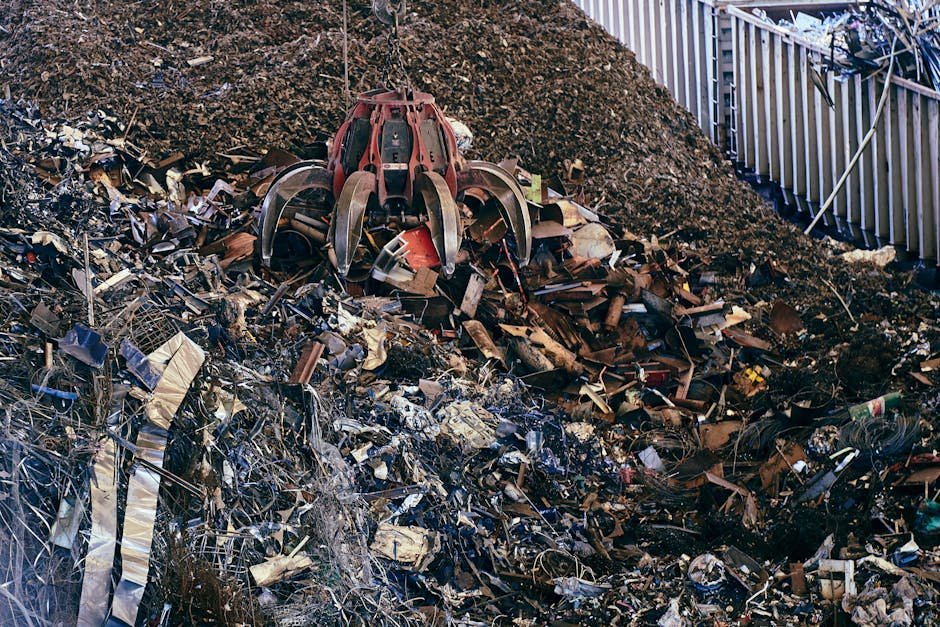

Understanding the intricacies of scrap batam is essential for businesses and individuals looking to participate in the circular economy. As global demand for raw materials surges, the role of scrap metal recycling becomes increasingly critical. Whether you are looking to Sell Scrap from industrial demolition or residential clean-outs, knowing how to identify, sort, and process your materials is the first step toward maximizing value and minimizing environmental impact. At Scrap Trade, we provide the infrastructure and expertise to ensure your materials reach the right markets efficiently.
The Fundamentals of Scrap Metal Grades
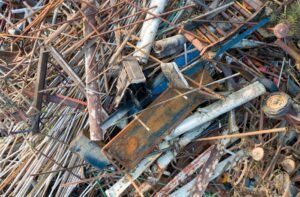
The value of your material is dictated by its grade. In the world of scrap batam, metals are broadly categorized into ferrous and non-ferrous groups. Ferrous metals, such as iron and steel, contain iron and are magnetic, while non-ferrous metals like copper, aluminium, and brass are non-magnetic and generally hold higher market value due to their scarcity and infinite recyclability.
For those interested in specific material handling, our detailed guide on Aluminium Scrap: Grades, Recycling Process, and provides deep insights into how different alloys are treated. Sorting is the most important step in the process. Contaminated loads—such as copper wire with plastic insulation or steel mixed with aluminium—can drastically reduce the value of your shipment. By keeping these materials separate, you ensure that you receive the highest market rate when you choose to Gmr Scrap or trade through standard channels.
Common grades include:
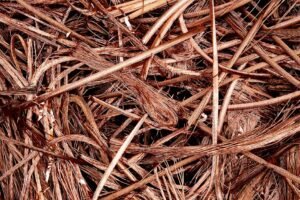
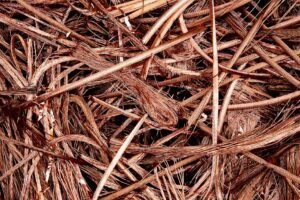
- Copper: From Bright Shiny Copper (Grade 1) to Burnt Wire.
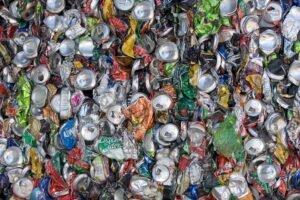
- Aluminium: Extrusion, Cast, and Sheet grades.
- Brass: Honey, Red, and Yellow brass varieties.
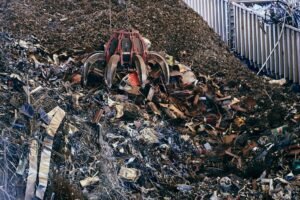
- Steel: Heavy Melting Steel (HMS) 1 and 2.
The Industrial Recycling Process: From Collection to Commodity
The recycling process is a highly engineered operation designed to strip away impurities and refine metals for industrial manufacturing. When you engage with the Scrap Trade: Grades, Recycling Process & Environmental standards, you are contributing to a sophisticated supply chain. The journey begins with collection and transportation. Once the material reaches our facility, it undergoes rigorous inspection.
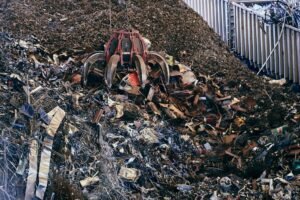
Advanced technology, including X-ray fluorescence (XRF) analyzers, allows us to determine the exact chemical composition of the metal. Once identified, the material is shredded or sheared to reduce volume and facilitate separation. Magnetic separators pull out ferrous metals, while eddy current separators are used to eject non-ferrous metals. This precision is what makes modern metal recycling in Australia so efficient compared to traditional landfill disposal.
The final stage is melting and purification. Metals are melted in high-temperature furnaces, poured into ingots or billets, and sold back to manufacturers. This closed-loop system saves enormous amounts of energy compared to mining virgin ore, proving that scrap batam is not just a business, but a cornerstone of sustainable industrial development.
Environmental Benefits and Economic Impact
The environmental case for recycling metal is overwhelming. Extracting virgin ore requires massive amounts of energy, leads to habitat destruction, and contributes significantly to greenhouse gas emissions. By choosing to trade your Scrap, you are directly reducing the carbon footprint of the manufacturing sector. For example, recycling aluminium saves approximately 95% of the energy required to produce the same amount of metal from bauxite ore.
Beyond energy savings, recycling prevents toxic heavy metals from leaching into the soil and groundwater in landfills. It also reduces the need for large-scale mining operations, preserving natural landscapes for future generations. Economically, the industry provides thousands of jobs, from logistics and processing to high-tech metallurgy. By participating in this market, you are supporting a robust, green economy that prioritizes efficiency and resource conservation.
Best Practices for Maximizing Your Scrap Returns
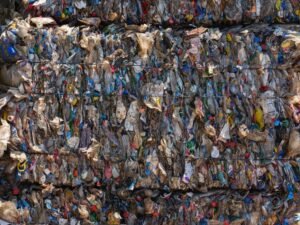
To get the most out of your trading activities, preparation is key. Always ensure your materials are clean and free of non-metal contaminants like wood, glass, or plastic. If you are dealing with large volumes, consider investing in basic sorting tools or a magnetic wand. Keeping your metals categorized on-site will save you time and money during the weighing and grading process at the facility. Furthermore, keeping an eye on market fluctuations is vital. Metal prices are commodities; they change daily based on global supply and demand. By staying informed, you can choose the optimal time to move your stock.
Future Trends in Global Metal Recycling
As we look toward the future, the integration of AI and robotics in sorting facilities is set to revolutionize the industry. Automated vision systems can now identify metal types faster and more accurately than human operators, reducing contamination rates to near zero. Additionally, there is a growing emphasis on “urban mining”—the practice of recovering precious metals from electronic waste. As the world becomes more digitized, the importance of recovering gold, silver, and rare earth metals from old circuit boards will become a primary focus of the scrap industry.
Safety and Compliance in Scrap Handling
Safety is non-negotiable. Whether you are handling heavy steel beams or sharp copper offcuts, proper Personal Protective Equipment (PPE) is mandatory. This includes heavy-duty gloves, steel-toed boots, and eye protection. Compliance with environmental regulations is equally important. Ensure that any scrap you trade is handled in accordance with local laws, particularly when dealing with hazardous materials like lead-acid batteries or fluids that may be contained within automotive scrap. A reputable trader will always prioritize safety and environmental stewardship, ensuring that every transaction is transparent and compliant with Australian standards.
Frequently Asked Questions
What is the most valuable type of scrap metal?
Generally, non-ferrous metals like clean copper and high-grade aluminium are the most valuable. Their value is high because they are infinitely recyclable and essential for electrical and manufacturing industries.
How do I prepare my scrap for the best price?
The best way to maximize returns is to sort your metals by type and remove all non-metal contaminants like insulation, plastic, or dirt. Clean, sorted loads are processed faster and command higher prices at the scale.
Why is it better to recycle metal than mine it?
Recycling metal uses significantly less energy than mining and refining virgin ore. It also reduces greenhouse gas emissions and prevents the destruction of natural habitats associated with mining operations.
Does the price of scrap metal change often?
Yes, scrap metal prices fluctuate daily based on global commodity markets. Factors such as supply, industrial demand, and currency exchange rates all play a role in determining the current market value.