
Navigating the volatile world of battery recycling requires a clear understanding of the current scrap batteries price per kg. As Australia transitions toward a circular economy, the value of spent lead-acid batteries (SLABs) and lithium-ion units has become a focal point for industrial and individual recyclers alike. Whether you are managing an industrial site or looking to clear out an automotive workshop, knowing how to maximize your returns depends on your grasp of global commodity trends and local market conditions.
Understanding the Market: How Scrap Batteries Price Per Kg is Determined
The scrap batteries price per kg is not a static figure; it is a dynamic valuation influenced by the London Metal Exchange (LME) and domestic smelting demand. When you look at Scrap Price Forecast Guide insights, you will notice that lead is the primary driver for automotive battery pricing. Because lead is infinitely recyclable, refineries pay a premium for high-volume inputs that reduce the energy intensity of primary mining.
Several factors dictate the price you receive at the weighbridge:
- LME Lead Prices: The global benchmark for lead directly correlates to the value of lead-acid batteries.
- Logistics and Transport: Batteries are classified as hazardous goods. The cost of compliant transport often dictates the net margin paid to the supplier.
- Volume and Frequency: Industrial-scale suppliers who provide consistent, high-tonnage loads command a higher price per tonne than casual drop-offs.
- Purity and Grade: Contamination with plastic casings, electrolyte leakage, or non-lead components can result in downgrades.
By staying informed about current scrap prices, you can time your sales to align with market peaks. It is essential to monitor these trends alongside other commodities, such as the scrap steel price, as many recycling centers bundle these materials to optimize shipping costs.
Grades of Scrap Batteries and Their Market Value
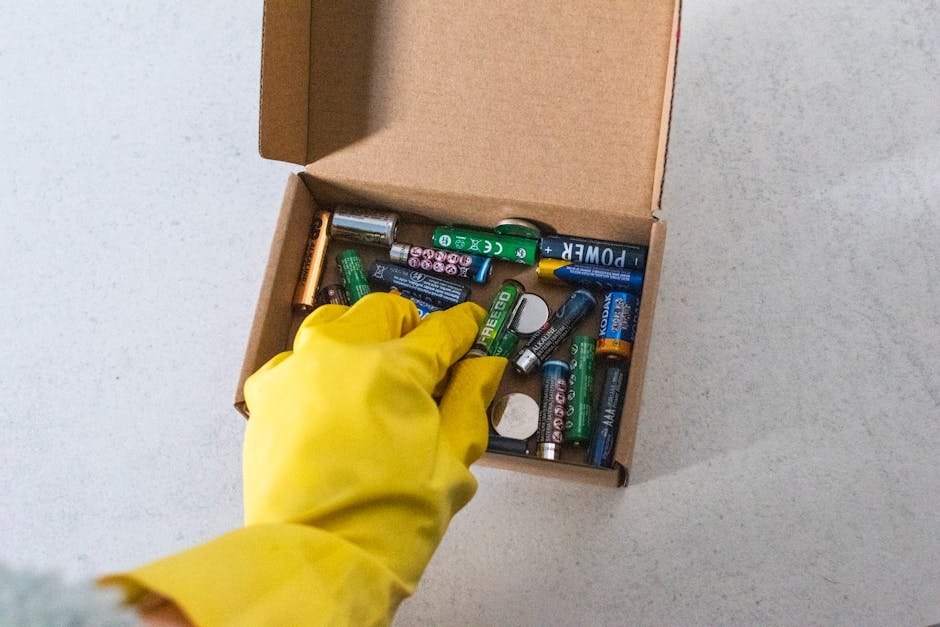
Not all batteries are created equal in the eyes of a recycler. The most common grade is the SLAB (Sealed Lead-Acid Battery), found in cars, trucks, and uninterruptible power supply (UPS) systems. These are highly valued due to their high lead content and standardized recycling path. Conversely, lithium-ion batteries—found in power tools and electric vehicles—require specialized handling and currently carry a different economic profile due to the complexity of recovering cobalt, nickel, and lithium.
When assessing your inventory, you must differentiate between these categories. For example, industrial forklift batteries are significantly heavier and contain higher lead density, which can fetch a better scrap batteries price per kg compared to small household units. If you are also dealing with other metals, you might be interested in the Stainless Steel Scrap Price or the projected Aluminum Scrap Price In 2026 to ensure your entire scrap portfolio is optimized.
The Recycling Process: From Collection to Commodity
The recycling of lead-acid batteries is a triumph of industrial efficiency. Over 98% of the components in a lead-acid battery are recovered and reused. The process begins with the collection of spent units, which are transported to specialized facilities. Here, the batteries are crushed in a hammer mill, separating the plastic, lead, and acid.
The lead is then smelted and refined into high-purity ingots, which are sold back to battery manufacturers to create new units. The polypropylene plastic is cleaned and pelletized for reuse in new battery casings. The sulfuric acid is either neutralized or processed for use in other industrial chemical applications. This closed-loop system is why the Australian scrap metal market prioritizes battery recovery—it is environmentally sustainable and economically essential.
Understanding the lead scrap price is crucial for anyone involved in this sector. Because lead is a heavy metal with significant environmental impact if discarded improperly, regulations in Australia are stringent. Recyclers must hold specific licenses to manage these materials, ensuring that the hazardous acid and lead dust are contained throughout the lifecycle of the recycling process.
Environmental Benefits and Regulatory Compliance
Recycling batteries is one of the most effective ways to reduce your carbon footprint. By utilizing recycled lead, manufacturers save up to 60% of the energy required to produce lead from virgin ore. This reduction in energy consumption directly lowers greenhouse gas emissions. Furthermore, preventing batteries from entering landfill protects our soil and water tables from toxic lead and acid leaching.
In Australia, the National Battery Recycling Scheme and various state-based regulations mandate the responsible disposal of batteries. Businesses are legally obligated to ensure their waste streams are handled by certified processors. When you choose a reputable partner, you are not just getting a fair price; you are ensuring that your business remains compliant with environmental legislation, mitigating the risk of fines and reputational damage.
Optimizing Your Returns: Practical Tips for Suppliers
To maximize the value of your scrap, preparation is key. First, ensure that your batteries are stored in a dry, covered area. Water ingress can add unnecessary weight and cause corrosion, which may lead to price deductions. Second, keep different types of batteries separated. Mixing lithium-ion with lead-acid is not only dangerous due to fire risks but can also lead to the rejection of the entire load at the recycling facility.
Third, establish a relationship with a reliable scrap trader. A long-term partnership allows you to negotiate better rates based on your volume and consistency. Use tools like the Scrap Price Forecast Guide to understand the cyclical nature of the market. If you are a high-volume producer, ask your trader about the current scrap steel price and other metal rates to see if you can consolidate your scrap pickups, thereby reducing your logistics costs and increasing your overall profit margin.
The Future of Battery Recycling in Australia
As the electric vehicle (EV) market expands across Australia, the composition of scrap batteries will shift. We are moving from a lead-dominated market to a future where lithium, nickel, and manganese recovery will be just as important. The infrastructure for these newer battery chemistries is currently being developed, and early adopters who understand the value of these materials will find themselves in a strong position.
The market for battery recycling is expected to grow by 7% annually over the next decade. This growth will stabilize the supply chain and likely lead to more transparent pricing models for all battery types. By staying educated on the scrap batteries price per kg today, you are preparing your business for the technological shifts of tomorrow.
Conclusion: Why Professional Recycling Matters
The scrap metal industry is the backbone of the Australian manufacturing sector. By recycling batteries, you contribute to a sustainable future while capturing the residual value of the materials you discard. Whether you are dealing with lead-acid, nickel-cadmium, or lithium-ion, the key to success is working with professionals who understand the complexities of the market, provide accurate grading, and offer competitive pricing based on current metal prices today.
Remember that the value of your scrap is not just in the weight, but in the efficiency of the recovery process. By following best practices, staying informed on global market trends, and utilizing resources like our comprehensive guides, you can ensure that your scrap battery management is both profitable and environmentally responsible. Always check for the latest updates on the Stainless Steel Scrap Price and other commodities to keep your scrap strategy well-rounded and effective.
Related: Stainless Steel Scrap Price
Frequently Asked Questions
How often do scrap battery prices change?
Scrap battery prices fluctuate daily or weekly, largely mirroring the London Metal Exchange (LME) lead prices and local transport costs. It is advisable to check current rates with your recycler before every major load delivery.
Can I mix different types of batteries together for recycling?
No, you should never mix battery chemistries. Lead-acid, lithium-ion, and nickel-cadmium batteries require different recycling processes and pose significant safety risks, such as fire or chemical leakage, if mixed.
What is the most valuable type of scrap battery?
Industrial-sized lead-acid batteries, such as those used in forklifts or large telecommunications backup systems, are generally the most valuable due to their high lead content and ease of processing.
Why is it important to use a licensed battery recycler?
Licensed recyclers ensure that hazardous materials like sulfuric acid and heavy metals are processed safely and in compliance with Australian environmental laws. This prevents toxic leaching into the environment and protects your business from legal liability.