
In 2024, scrap battery prices in Australia remain a critical factor for recyclers and traders navigating the volatile scrap metal market. Lead acid batteries, lithium-ion units, and nickel-based cells each command different values based on their metal content and recycling potential. Understanding current scrap prices and the factors driving them is essential for maximizing returns while supporting environmental sustainability.
Understanding Current Market Value for Scrap Batteries
The scrap battery prices in Australia are primarily determined by the base metal content and recycling efficiency. For example, lead acid batteries (common in vehicles) typically fetch $1.50–$3.00 per kg due to their high lead content, while lithium-ion batteries from EVs and electronics can reach $5.00–$8.50 per kg for their cobalt and lithium value. Always check Scrap Metal Prices for real-time trends in lead, lithium, and nickel markets.
How Are Scrap Battery Prices Set?
Scrap battery pricing relies on a combination of factors:
- Material composition: Lead plates, acid, and metal casings determine value.
- Recycling feasibility: Ease of separating materials affects profitability.
- Market demand: Industrial need for recycled metals drives prices.
- Regulatory impacts: Compliance costs for proper disposal influence pricing.
Scrap Metal Prices Near Me services help traders compare local rates against national averages.
Key Factors Affecting Scrap Battery Costs
Several variables impact scrap battery prices:
- Metal prices today: Lead, lithium, and cobalt fluctuations directly correlate with battery value.
- Supply chain dynamics: Overstocked or scarce battery types alter pricing power.
- Environmental regulations: Compliance costs for safe recycling add overhead.
- Technological advancements: Innovations in battery recycling improve material recovery rates.
For example, a rise in steel scrap prices may indirectly affect lead battery values due to cross-metal market interactions.
Grades of Scrap Batteries and Their Value
Batteries are categorized by grade based on condition and material quality:
- Grade A: Fully intact lead acid batteries (e.g., car battery scrap) with no leakage. $2.50–$3.50/kg.
- Grade B: Damaged or partially discharged units. $1.20–$2.00/kg.
- Grade C: Crushed or mixed battery waste. $0.80–$1.50/kg.
Lithium-ion batteries are graded by chemistry (NMC, LFP, etc.) and remaining charge levels.
The Battery Recycling Process: From Scrap to Resource
Recycling batteries involves several steps:
- Collection: Bulk pickups from auto workshops and e-waste centers.
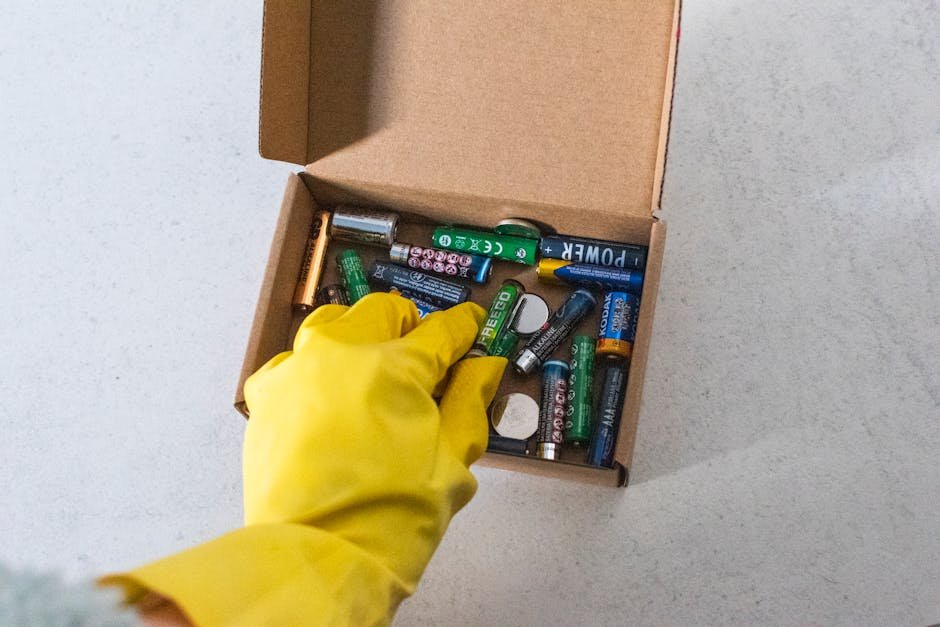
- Sorting: Separating lead acid, lithium-ion, and other types.
- Crushing: Mechanical disassembly to extract lead plates and metal casings.
- Refining: Smelting to recover pure metals for reuse in new batteries.
Scrap Trade offers certified recycling services with transparent pricing for all battery types.
Environmental Benefits of Battery Recycling
Battery recycling prevents toxic materials like lead and cadmium from contaminating landfills. For every tonne of lead acid batteries recycled:
- 4 tons of landfill space are saved
- 1,000 kg of lead is recovered for reuse
- Greenhouse gas emissions are reduced by 60% compared to mining
Lithium-ion recycling also reduces reliance on metal prices for scrap by creating closed-loop supply chains.
Getting the Best Price for Your Battery Scrap
To maximize returns:
- Test battery voltage before selling – fully discharged units fetch higher prices
- Segregate battery types for cleaner batches
- Use ScrapTrade’s price calculator to estimate price per kg based on location
- Negotiate bulk discounts for large consignments
Always verify current Scrap Metal Prices before finalizing sales.
Metal Prices Today: Industry Trends in 2024
Recent shifts in metal prices today show:
- Lead: $2,100/tonne (up 12% YoY)
- Cobalt: $35,000/tonne (volatile due to EV demand)
- Lithium carbonate: $18,000/tonne (down 15% from 2023 peak)
These fluctuations directly impact scrap battery prices – monitor Scrap Metal Prices weekly for trading advantages.
By leveraging market insights and proper sorting techniques, recyclers can optimize profits while contributing to a circular economy. Stay updated with Scrap Trade for real-time pricing tools and industry reports.
Frequently Asked Questions
What battery type offers the highest scrap value per kg?
Lithium-ion batteries typically offer the highest scrap value, ranging from $5.00–$8.50 per kg due to their cobalt and lithium content.
How often do scrap battery prices change in Australia?
Scrap battery prices fluctuate weekly based on global metal markets and local supply-demand dynamics. Check Scrap Metal Prices for real-time updates.
Are old car batteries valuable as scrap?
Yes, old car batteries (lead acid type) are valuable at $1.50–$3.00 per kg. Ensure they’re dry and intact for Grade A pricing.
What’s the environmental impact of proper battery recycling?
Proper recycling prevents 95% of lead and cadmium from entering landfills, reduces mining demand, and saves 4 tons of landfill space per tonne recycled.