The scrap cable price Sydney is a dynamic metric influenced by global metal markets, local demand, and the physical properties of the materials. In 2024, the current market value per kg for copper-based cables typically ranges from $2.50 to $4.50, while aluminum and steel variants hover between $1.20 and $2.00 per kg. These metal prices today reflect the balance between industrial needs, recycling efficiency, and environmental policies in New South Wales (NSW). Understanding how prices are set, the grades of scrap, and the environmental impact of recycling is essential for businesses and individuals in Greater Sydney.
Current Market Value of Scrap Cable in Sydney
As of Q1 2024, the scrap cable price Sydney is influenced by the presence of base metals like copper, aluminum, and steel. High-purity copper cables, such as those used in telecommunications or electrical systems, command the highest price per kg, often exceeding $4.50/kg. Lower-grade cables, such as those with mixed metals or low conductivity, may fetch closer to $2.00/kg. The market rate fluctuates seasonally, with construction and mining sectors driving demand during peak periods.
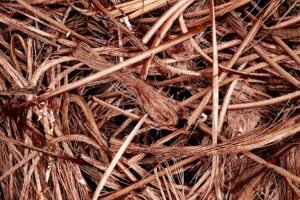
- Copper cables: $2.50–$4.50/kg
- Aluminum cables: $1.20–$2.00/kg
- Steel cables: $0.80–$1.50/kg
For precise current scrap prices, refer to platforms like scrap.trade, which aggregates real-time data from NSW buyers and sellers.
Factors Influencing Scrap Cable Pricing
Determining the scrap cable price Sydney involves analyzing multiple variables:
1. Global Metal Markets
International metal prices today directly impact local rates. For example, a surge in copper prices on the London Metal Exchange (LME) typically translates to higher domestic values. Conversely, a global oversupply of aluminum may depress prices in Greater Sydney.
2. Cable Type and Purity
Cables with high metal content, such as pure copper (e.g., OFC or oxygen-free copper), are more valuable than those with mixed or alloyed metals. Insulation material (e.g., PVC, Teflon) also affects pricing, as it adds weight without contributing to recyclable value.
3. Local Demand and Supply
Industrial activity in NSW, particularly in construction and renewable energy sectors, drives demand. For instance, solar farm installations often require large quantities of copper, temporarily increasing the price per tonne for relevant scrap cables.
4. Transportation Costs
Buyers in remote areas of NSW may offer lower prices to offset hauling costs, while urban centers like Sydney offer premium rates due to proximity to processing facilities.
Grades of Scrap Cable and Their Value
Scrap cables are categorized based on their metal content, insulation type, and application. Understanding these grades helps sellers maximize returns:
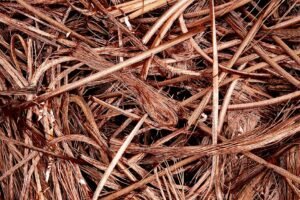
- Grade A (High Purity): Uninsulated copper cables (e.g., busbar, power cables) with minimal impurities. Copper scrap prices Sydney for these can reach $4.00–$4.50/kg.
- Grade B (Mixed Metals): Cables with copper cores but steel or aluminum sheathing. These fetch $2.00–$3.00/kg.
- Grade C (Low Purity): Cables with heavy insulation or mixed alloys. Value ranges from $1.00–$2.00/kg.
Stainless steel cables, though less common, can also be recycled but typically command lower prices due to their complex alloy composition.
How Recycling Works for Scrap Cables
Recycling scrap cables involves a multi-step process that adds value for both the environment and the economy:
- Collection: Cables are gathered from demolition sites, manufacturing plants, or household waste.
- Sorting: Cables are categorized by metal type and insulation material using manual or automated systems.
- Processing: Insulation is stripped via mechanical or chemical methods, leaving pure metal ready for smelting.
- Refining: Metals are melted down and cast into ingots for reuse in manufacturing.
Efficient processing ensures maximum recovery of valuable metals. For example, a 1-tonne batch of copper cables can yield ~800 kg of pure copper, depending on insulation content.
Environmental Benefits of Recycling Scrap Cables
Recycling scrap cables reduces the need for virgin metal extraction, which is energy-intensive and environmentally damaging. Key benefits include:
- CO2 Reduction: Recycling copper uses 85% less energy than mining and refining new copper.
- Conservation: Every tonne of recycled copper saves 11 tonnes of ore from being mined.
- Landfill Diversion: Non-recycled cables contribute to hazardous waste due to lead and other toxins in insulation.
For businesses in Greater Sydney, recycling cables aligns with NSW government sustainability targets and may qualify for tax incentives under the Scrap Trade Sustainability Initiative.
Practical Tips for Selling Scrap Cables in Sydney
To maximize returns, sellers should:
- Sort cables by grade: Separate high-purity copper from mixed or low-grade materials.
- Remove insulation: Stripping plastic or rubber increases the price per kg significantly.
- Compare buyers: Use platforms like scrap.trade to access competing offers from NSW recyclers.
- Monitor price forecasts: Time sales to coincide with peak demand periods.
For export opportunities, consult pricing strategies for international buyers, particularly in Asian markets where copper demand is high.
Future Outlook for Scrap Cable Prices in NSW
Market analysts predict a 10–15% increase in scrap cable price Sydney by mid-2024, driven by:
- Renewable Energy Expansion: Solar and wind projects requiring large volumes of copper.
- Urban Development: Infrastructure upgrades in Greater Sydney, including rail and housing.
- Export Demand: Growing appetite for Australian recycled metals in China and India.
However, fluctuations in global metal prices today and local supply chain disruptions could temper these gains. Staying informed via scrap trade platforms is crucial for long-term planning.
Conclusion: Why Recycle Your Scrap Cables?
The scrap cable price Sydney is more than a number—it’s a gateway to sustainable business practices and profitability. By understanding pricing dynamics, leveraging sorting techniques, and partnering with reliable recyclers, stakeholders can contribute to NSW’s circular economy while securing competitive returns. For real-time market rate data and export guidance, visit scrap.trade or explore ScrapTrade’s resources for tailored insights.
Additional Resources
Related: copper scrap price sydney
Related: scrap aluminium price per kg sydney
Frequently Asked Questions
How are scrap cable prices determined in Sydney?
Scrap cable prices in Sydney are set by global metal markets, local demand, cable grade, and processing costs. High-purity copper cables typically fetch $2.50–$4.50/kg, while lower-grade materials may range from $0.80–$2.00/kg.
What’s the best way to get the highest price for scrap cables?
Sort cables by metal type and purity, remove non-metal components like insulation, and compare offers from multiple buyers using platforms like scrap.trade.
Can I sell low-grade scrap cables for profit?
Yes, even low-grade cables containing aluminum or steel can generate revenue, especially if processed to remove contaminants. Check aluminum prices or steel rates for current values.
How does recycling scrap cables benefit the environment?
Recycling reduces mining demand, lowers CO2 emissions by 85% compared to new production, and prevents toxic materials from entering landfills. NSW businesses may also qualify for sustainability incentives.