
Scrap car Liverpool services play a critical role in the circular economy by recycling end-of-life vehicles (ELVs) and repurposing materials for sustainable use. Whether you own a non-operational vehicle or want to responsibly dispose of an old car, understanding the grades of scrap, the recycling process, and environmental benefits is essential. This guide provides expert insights into how vehicle recycling works, the value of different scrap materials, and why choosing certified car wreckers Liverpool is vital for compliance and sustainability.
Overview of Scrap Car Liverpool Services
Scrap car Liverpool services cater to residents, businesses, and fleet operators seeking to recycle vehicles at the end of their useful life. The process involves dismantling vehicles to recover reusable parts and recyclable materials, minimizing waste and conserving natural resources. In Australia, vehicle recycling is regulated under the Vehicle Recycling Plan (VRP), which sets standards for environmental compliance. Certified car wreckers Liverpool ensure adherence to these regulations, offering transparent and efficient scrap car removal services.
Key components of the process include draining hazardous fluids, separating reusable auto parts, and processing metals and plastics. The resulting materials are graded based on their quality, composition, and market demand. For businesses, partnering with a reputable scrap trade platform like Scrap Trade streamlines the sale of scrap materials while supporting eco-friendly practices.
Grades of Scrap from Vehicles
Vehicles are composed of multiple materials, each with distinct recycling grades and values. The primary categories include:
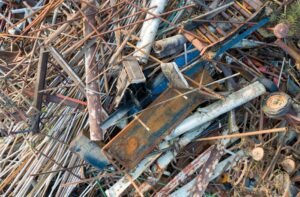
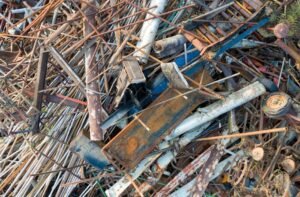
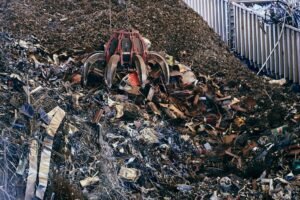
- Ferrous metals: Iron and steel account for 65-75% of a vehicle’s weight. These materials are melted down for reuse in construction and manufacturing.
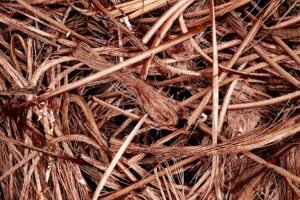
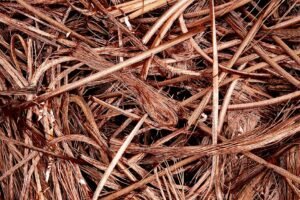
- Non-ferrous metals: Aluminum, copper, and brass are high-value scrap grades due to their conductivity and resistance to corrosion. Auto parts like radiators, wiring, and engine components often contain these metals.
- Plastics: Modern vehicles use lightweight plastics for interiors and exteriors. Plastic scrap must be sorted by type (e.g., ABS, polypropylene) to ensure proper recycling.
- Other materials: Glass, rubber tires, and batteries require specialized recycling processes to extract valuable components and neutralize toxins.
The value of scrap grades fluctuates based on global commodity prices. For example, copper prices have risen significantly in recent years due to increased demand in renewable energy infrastructure. Certified car wreckers Liverpool assess vehicle materials to determine fair compensation for scrap car removal.
The Vehicle Recycling Process in Liverpool
Recycling a scrap car Liverpool involves several stages to ensure environmental safety and resource recovery:
- Collection: Certified scrap car removal Liverpool services transport vehicles to recycling facilities.
- Fluid Drainage: Hazardous substances like oil, coolant, and brake fluid are safely removed to prevent soil and water contamination.
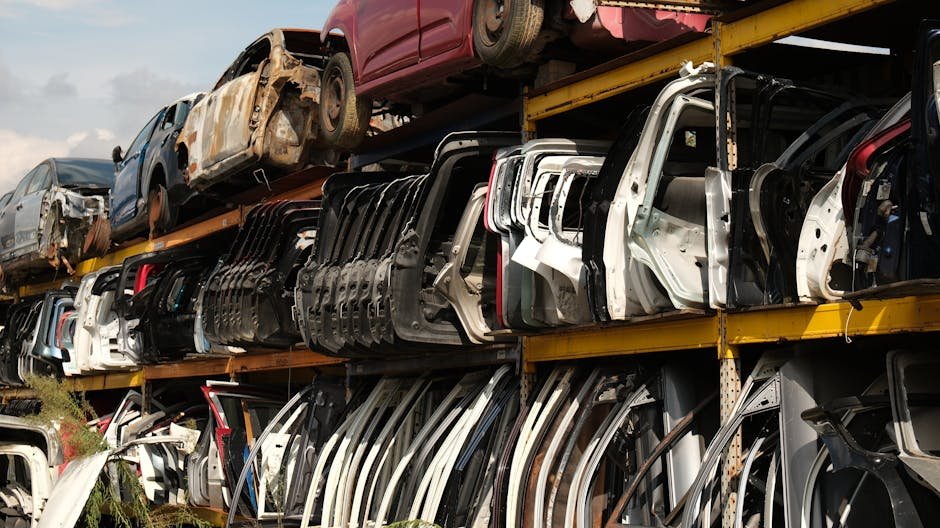
- Dismantling: Valuable auto parts (e.g., engines, transmissions) are salvaged and resold. Non-repairable components are sorted by material type.
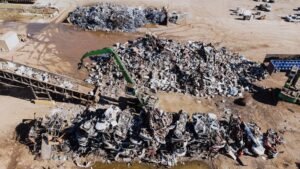
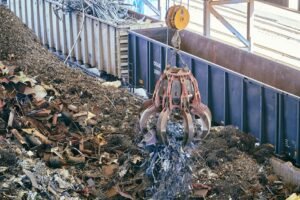
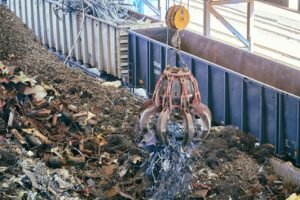
- Shredding: The remaining vehicle frame is shredded to separate metals from non-metal components.
- Material Processing: Ferrous and non-ferrous metals are magnetically separated, while plastics and glass undergo sorting via optical scanners.
Residues like foam and rubber are processed in specialized facilities. The entire process ensures compliance with Australia’s VRP requirements, which mandate a minimum 80% recycling rate for ELVs. Platforms like ScrapTrade provide real-time updates on the recycling journey, offering transparency for users.
Environmental Benefits of Scrap Car Recycling
Recycling scrap cars Liverpool offers significant environmental advantages, addressing climate change and resource depletion:
- CO2 Reduction: Recycling steel from vehicles saves 58% of the energy required to produce new steel, reducing greenhouse gas emissions.
- Resource Conservation: Reusing metals and plastics decreases the need for mining raw materials, preserving ecosystems and biodiversity.
- Pollution Prevention: Proper disposal of vehicle fluids and batteries prevents toxic chemicals from leaching into the environment.
- Landfill Diversion: Recycling one vehicle prevents approximately 2.5 tons of waste from entering landfills.
According to the Department of Agriculture, Water and the Environment, Australia’s vehicle recycling industry recycled over 1.2 million ELVs in 2022, conserving 2.4 million tons of ferrous metals. By choosing certified car wreckers Liverpool, residents contribute to these sustainability goals while complying with national regulations.
Choosing the Right Car Wreckers Liverpool
Selecting a reliable car wrecker is crucial for legal compliance and maximizing scrap value. Key factors to consider include:
- VRP Certification: Ensure the service provider holds a valid Vehicles of Interest (VOI) endorsement under the Australian government’s VRP framework.
- Transparent Pricing: Reputable wreckers provide upfront quotes based on the vehicle’s weight, material composition, and salvageable parts.
- Free Removal: Many services offer complimentary towing for scrap cars Liverpool, especially for non-operational vehicles.
- Documentation: A certified wrecker will issue a Vehicle Deregistration Certificate to facilitate ownership transfer and insurance cancellation.
Platforms like Scrap Trade connect users with pre-vetted wreckers Liverpool, simplifying the search for environmentally responsible options.
Practical Tips for Scrap Car Disposal
To streamline the process, follow these expert recommendations:
- Check Legal Requirements: Verify your state’s registration and insurance regulations before scrapping a vehicle.
- Remove Personal Items: Clear all belongings from the car to avoid legal disputes or loss of property.
- Compare Quotes: Obtain multiple estimates from car wreckers Liverpool to secure the best rate for your scrap car.
- Salvage Parts: If possible, remove and sell high-value components (e.g., wheels, stereos) before handing the vehicle over to a wrecker.
- Track the Recycling Process: Use digital platforms to monitor the environmental impact of your scrap car Liverpool removal.
Economic Impact and Industry Trends
The scrap car Liverpool industry contributes billions to Australia’s economy while creating jobs in recycling and manufacturing. Emerging trends include:
- EV Battery Recycling: As electric vehicle adoption grows, specialized facilities are developing to recover lithium and cobalt.
- Digital Marketplaces: Platforms like Scrap Trade enhance market efficiency by connecting sellers with recyclers in real time.
- Green Incentives: Governments may introduce subsidies for eco-conscious vehicle owners to encourage scrap car Liverpool programs.
These developments highlight the sector’s evolving role in transitioning to a low-carbon economy.
Conclusion
Scrap car Liverpool services are vital for sustainable vehicle management, offering economic and environmental benefits. By understanding scrap grades, recycling processes, and the value of certified car wreckers, residents can make informed decisions. Platforms like Scrap Trade and ScrapTrade empower users to contribute to a circular economy while maximizing returns on their end-of-life vehicles. Whether you’re removing a single car or managing a fleet, responsible recycling ensures compliance and supports long-term ecological health.
Related: What Scrap Trade Actually Is
Related: What Is Scrap Trade
Frequently Asked Questions
What are the different grades of scrap from a scrap car?
Scrap cars yield ferrous metals (iron/steel), non-ferrous metals (aluminum, copper), plastics, glass, and rubber. Each material has distinct recycling grades based on purity and market demand.
How does the vehicle recycling process work in Liverpool?
The process involves draining fluids, dismantling salvageable parts, shredding the vehicle, and sorting materials. Certified car wreckers Liverpool ensure compliance with environmental standards.
What are the environmental benefits of recycling scrap cars?
Recycling reduces CO2 emissions, conserves raw materials, prevents pollution, and diverts waste from landfills. Australia’s industry recycles over 1.2 million ELVs annually, saving 2.4 million tons of ferrous metals.
How to choose a reliable car wrecker in Liverpool?
Verify VRP certification, request transparent pricing, confirm free removal services, and ensure proper documentation. Platforms like Scrap Trade vet certified providers.