
The phrase scrap car removal Roseneath refers to the specialized process of collecting, assessing, and responsibly recycling end-of-life vehicles (ELVs) in the Roseneath area of Australia. This service not only clears unwanted vehicles from private properties and commercial sites but also contributes significantly to sustainable waste management and metal resource recovery. Whether your car is damaged, non-operational, or simply outdated, engaging in scrap car removal Roseneath ensures compliance with environmental regulations while unlocking financial returns through the sale of recyclable materials.
What Is Scrap Car Removal Roseneath and Why It Matters
Scrap car removal Roseneath is more than just towing away an old vehicle — it’s a critical component of Australia’s circular economy. As urban areas expand and vehicle ownership increases, the number of end-of-life vehicles (ELVs) reaching their final operational stage grows exponentially. In Roseneath and surrounding regions, responsible scrap car removal services offer residents and businesses a sustainable way to dispose of these vehicles while recovering valuable resources such as steel, aluminium, copper, and catalytic converters.
These services are typically offered by licensed car wreckers and scrap metal recyclers who follow strict environmental and safety protocols. The process begins when a vehicle owner contacts a scrap removal provider to schedule a pickup. Once collected, the vehicle undergoes a systematic evaluation to identify reusable auto parts, hazardous materials, and metal grades. This ensures that nothing goes to waste — from functional components that can be resold to metals that are melted down and repurposed.
Engaging in scrap car removal Roseneath supports both environmental sustainability and economic efficiency. According to the Australian Bureau of Statistics, over 500,000 vehicles reach end-of-life status annually, with less than 70% being fully recycled. By increasing participation in certified vehicle recycling programs, communities like Roseneath can improve these figures and reduce landfill burden.
Understanding the Grades of Scrap Metal in Vehicle Recycling
One of the most crucial aspects of scrap car removal Roseneath is the classification of scrap metal into distinct grades. These grades determine the market value of the materials extracted and influence the overall payout to the vehicle owner. Metals are categorized based on composition, purity, and recyclability, with higher-grade materials commanding better prices due to lower processing requirements and higher demand in manufacturing.
The primary scrap metal grades recovered during vehicle recycling include:
- Ferrous Metals – These contain iron and are magnetic. The most common ferrous metal in cars is steel, which makes up approximately 65% of a vehicle’s weight. While not as valuable per kilogram as non-ferrous metals, steel is essential in construction and industrial manufacturing due to its strength and recyclability.
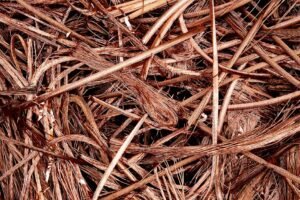
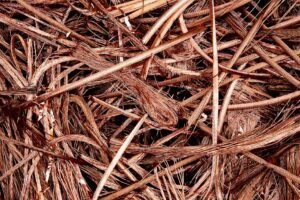
- Non-Ferrous Metals – These do not contain iron and are non-magnetic. Examples include aluminium (used in engines and body panels), copper (found in wiring and radiators), brass (in fittings), and zinc. Non-ferrous metals are significantly more valuable because they resist corrosion and require less energy to recycle.
- High-Value Components – Certain parts like catalytic converters contain precious metals such as platinum, palladium, and rhodium. These are classified separately due to their high market volatility and value, often contributing a substantial portion of the total scrap return.
- Battery Lead – Lead-acid batteries are standard in most vehicles and contain recyclable lead and plastic. For more details on current pricing, see scrap car batteries price per kg.
Each grade is separated during the dismantling phase using advanced sorting technologies, including magnetic separators, eddy current systems, and manual inspection. Accurate grading ensures transparency in pricing and maximizes the financial benefit for sellers. It also streamlines the recycling chain, allowing smelters and foundries to process materials efficiently without contamination.
Understanding these grades empowers vehicle owners to ask informed questions when arranging scrap car removal Roseneath. Knowing that aluminium engine blocks or copper wiring add value can encourage proper documentation and negotiation for fair market returns.
How Vehicle Recycling Works: From Pickup to Reprocessing
The lifecycle of a vehicle doesn’t end at the junkyard — in fact, modern vehicle recycling is a highly sophisticated process designed to recover up to 95% of a car’s materials. The journey from a non-functional vehicle to reusable raw materials involves several well-defined stages, each critical to environmental protection and resource efficiency.
Stage 1: Collection and Transportation
Scrap car removal Roseneath begins with scheduling a pickup. Reputable recyclers offer free towing services, collecting vehicles directly from homes, workshops, or storage facilities. These logistics are coordinated through online platforms like Scrap.Trade, Australia’s leading digital marketplace connecting sellers with licensed recyclers.
Stage 2: Depollution and Hazardous Material Removal
Before any dismantling occurs, the vehicle must be depolluted. This involves draining all fluids — engine oil, transmission fluid, brake fluid, coolant, and refrigerants — which are either recycled or disposed of according to EPA guidelines. Airbags are safely deactivated, and mercury switches (found in older models) are removed to prevent environmental contamination.
Stage 3: Dismantling and Auto Parts Recovery
Certified car wreckers carefully remove reusable auto parts such as engines, transmissions, alternators, headlights, infotainment systems, and interior components. These parts are cleaned, tested, and resold through second-hand markets, reducing the need for new manufacturing and lowering consumer costs. High-demand components can significantly increase the profitability of a recycled vehicle.
Stage 4: Shredding and Material Separation
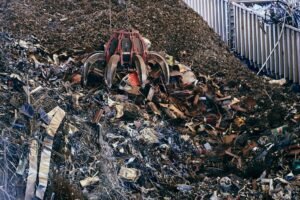
After usable parts are removed, the remaining shell — known as the “hulk” — is fed into a powerful shredder. This machine breaks the car into fist-sized fragments, which are then sorted using a combination of magnets, air classifiers, and eddy current separators. Ferrous metals are captured first, followed by non-ferrous metals, while residual materials like glass, rubber, and plastics (known as “automotive shredder residue” or ASR) are processed separately.
Stage 5: Melting and Repurposing
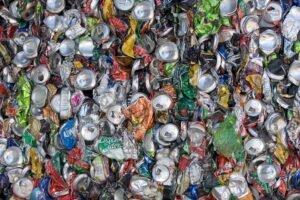
Sorted metals are transported to smelting facilities where they are melted and purified for reuse. Recycled steel is used in construction, automotive manufacturing, and appliances. Aluminium is commonly repurposed into new car parts, beverage cans, and industrial components. Because recycling metals uses up to 95% less energy than producing them from raw ore, this final stage has immense environmental significance.
This entire process is regulated by the National Environment Protection (Used Packaging Materials) Measure and overseen by state environmental agencies. Compliance ensures that scrap car removal Roseneath operations meet Australia’s sustainability goals.
Environmental Benefits of Recycling End-of-Life Vehicles
Choosing scrap car removal Roseneath isn’t just financially rewarding — it’s an environmentally responsible decision with measurable benefits. The recycling of end-of-life vehicles (ELVs) plays a pivotal role in reducing greenhouse gas emissions, conserving natural resources, and minimizing pollution.
Reduction in Greenhouse Gas Emissions
Recycling one tonne of steel saves 1.5 tonnes of iron ore, 0.5 tonnes of coal, and reduces CO₂ emissions by approximately 860 kg. When scaled across hundreds of thousands of vehicles annually, the cumulative impact on carbon reduction is substantial. According to the Australian Council of Recyclers, vehicle recycling prevents over 4 million tonnes of CO₂ equivalent emissions each year.
Conservation of Natural Resources
Mining for virgin metals is energy-intensive and ecologically destructive. By reprocessing scrap metals from ELVs, Australia reduces its reliance on mining operations that degrade landscapes, contaminate waterways, and displace wildlife. For instance, recycling aluminium saves up to 95% of the energy required to produce new aluminium from bauxite.
Prevention of Soil and Water Contamination
Improperly discarded vehicles can leak oil, coolant, battery acid, and other hazardous substances into the ground. These pollutants infiltrate groundwater and harm local ecosystems. Professional scrap car removal Roseneath services ensure that all fluids are safely extracted and treated, preventing long-term environmental damage.
Waste Diversion from Landfills
Automotive shredder residue (ASR), though minimized through advanced separation techniques, still accounts for about 5–10% of a vehicle’s weight. Innovations in material recovery are continuously reducing this percentage, with some facilities now achieving over 95% recyclability. By diverting ELVs from landfills, communities reduce methane emissions and extend the lifespan of existing waste facilities.
Additionally, the reuse of auto parts reduces the demand for new manufacturing, further cutting energy use and emissions. Every reinstalled engine or gearbox represents avoided industrial output and preserved raw materials.
How to Maximize Value in Your Scrap Car Removal Roseneath Transaction
While all end-of-life vehicles have inherent recyclable value, there are practical steps you can take to ensure you receive the best possible return during scrap car removal Roseneath. Value is influenced not only by weight and metal content but also by preparation, timing, and market conditions.
Remove Personal Belongings and Clean the Vehicle
Before pickup, ensure the car is empty of personal items, floor mats, and aftermarket accessories. A clean, accessible vehicle allows for faster inspection and assessment. While recyclers don’t pay for cleanliness per se, a well-maintained car signals transparency and may expedite the evaluation process.
Retain Service Records and Spare Parts
If available, provide maintenance records or receipts for recent repairs. These documents can indicate engine health or component reliability, potentially increasing the value of reusable auto parts. Spare tyres, rims, or OEM parts stored in the boot should be mentioned — they may be assessed separately.
Remove and Sell High-Value Components Separately
Some components, especially catalytic converters and hybrid batteries, often fetch higher prices when sold independently. However, removal should only be done by licensed professionals due to safety risks and legal compliance issues. For guidance on safe disposal and valuation, refer to Scrap Metal Removal How To Dispose Sell And Maximize Value.
Compare Quotes from Multiple Recyclers
Thanks to digital platforms like Why Scrap Sellers Are Moving Online, it’s easier than ever to compare offers from licensed car wreckers in the Roseneath area. Online bidding systems allow recyclers to compete for your vehicle, driving up prices and improving service quality.
Understand Market Fluctuations
Scrap metal prices are tied to global commodity markets. Steel and copper prices rise during periods of high construction demand, while platinum group metals (PGMs) in catalytic converters fluctuate based on automotive emissions regulations. Timing your scrap car removal Roseneath during market peaks can yield significantly higher returns.
Finally, ensure the recycler provides a certificate of destruction (COD), which officially deregisters the vehicle and protects you from future liabilities such as fines or insurance claims.
The Role of Technology in Modern Scrap Car Removal Roseneath
Technology has transformed scrap car removal Roseneath from a manual, fragmented service into a streamlined, data-driven industry. Digital platforms, GPS tracking, and real-time pricing algorithms now empower both consumers and recyclers to conduct transactions efficiently and transparently.
Online marketplaces like Why Scrap Trade Online Is Growing have revolutionized how Australians engage with vehicle recycling. Instead of relying on word-of-mouth or local ads, sellers can now list their ELVs online and receive instant offers from multiple licensed recyclers. This competitive environment increases fairness and reduces the risk of underpayment.
These platforms integrate with national scrap metal price indices, ensuring that quotes reflect current market conditions. Sellers in Roseneath can see real-time valuations based on vehicle make, model, weight, and location — a level of transparency that was previously unavailable.
Furthermore, mobile apps and web portals allow users to track their vehicle’s journey through the recycling process. From pickup confirmation to depollution logs and final recycling certification, digital documentation enhances trust and accountability. Some services even provide video verification of vehicle destruction.
For recyclers, technology improves operational efficiency. Automated sorting systems, AI-powered grading tools, and blockchain-based material tracking ensure compliance and optimize yield. These advancements contribute to higher recovery rates and better environmental outcomes across the vehicle recycling chain.
Choosing the Right Partner for Scrap Car Removal Roseneath
Not all scrap car removal services are created equal. To ensure a safe, legal, and profitable experience, it’s essential to work with a licensed, insured, and environmentally compliant recycler. Here’s how to vet potential partners:
- Licensing and Accreditation – Verify that the company holds an EPA-approved waste transporter license and is registered with the Australian Vehicle Recovery Association (AVRA).
- Transparent Pricing – Avoid recyclers who offer vague “cash for cars” deals without itemized breakdowns. Reputable providers will explain how they calculate value based on metal grades and market rates.
- Free Pickup and No Hidden Fees – Legitimate scrap car removal Roseneath services include free towing and do not charge administrative or environmental fees.
- Certificate of Destruction – Ensure the recycler provides a COD to formally deregister the vehicle with Transport for NSW or relevant state authority.
- Customer Reviews and Online Presence – Check independent reviews and look for active engagement on platforms like ScrapTrade.com.au, which connects buyers and sellers across Australia.
Regional variations in service quality exist, so consider nearby alternatives if options in Roseneath are limited. For example, those near the border may benefit from scrap car removal Liverpool services, which offer similar standards and competitive pricing.
Always request proof of recycling — a document showing where and how materials were processed. This confirms the recycler’s commitment to environmental responsibility and helps you contribute meaningfully to Australia’s sustainability goals.
Conclusion: The Future of Scrap Car Removal Roseneath
Scrap car removal Roseneath is more than a disposal solution — it’s a vital link in Australia’s journey toward a circular economy. By responsibly recycling end-of-life vehicles, residents and businesses contribute to resource conservation, pollution prevention, and economic resilience. The integration of advanced technology, transparent pricing, and regulatory oversight ensures that this sector continues to evolve in alignment with environmental and consumer needs.
As demand for recycled metals grows and electric vehicles enter the ELV stream in greater numbers, the importance of professional vehicle recycling will only increase. Components like lithium-ion batteries and rare earth magnets present new recycling challenges and opportunities, requiring ongoing innovation in processing techniques.
For individuals, the message is clear: participating in scrap car removal Roseneath is a smart, sustainable, and profitable decision. By choosing licensed car wreckers, understanding metal grades, and leveraging online platforms, you can maximize value while protecting the planet. Explore your options today at Scrap.Trade and join the growing movement of Australians turning waste into worth.
Frequently Asked Questions
What happens to my car after scrap car removal Roseneath?
After pickup, your car undergoes depollution, where fluids and hazardous materials are safely removed. Usable auto parts are harvested for resale, and the remaining shell is shredded and separated into metal grades for recycling into new products.
Are there any documents I need for scrap car removal Roseneath?
Yes, you’ll need proof of ownership such as the vehicle title or registration papers. After removal, the recycler should provide a Certificate of Destruction to confirm deregistration and protect you from future liabilities.
Can I get paid cash for scrap car removal Roseneath?
Most reputable recyclers offer instant payment via bank transfer or cash upon pickup. Ensure the transaction is documented and that you receive a receipt and Certificate of Destruction for your records.
How long does the scrap car removal Roseneath process take?
From booking to vehicle collection, the process typically takes 24 to 48 hours. The actual recycling and processing may take several weeks, but you’ll receive payment immediately upon handover.