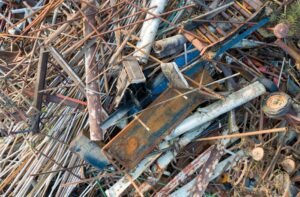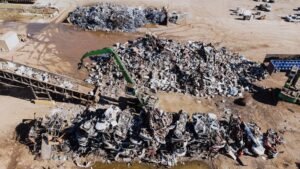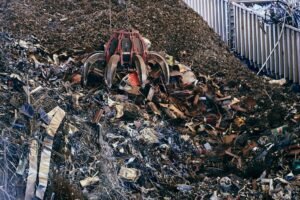

When you decide to dispose of scrap cars Denham Court, you are participating in a sophisticated circular economy that turns end-of-life vehicles (ELVs) into valuable raw materials. As the automotive industry evolves, the methods used by professional car wreckers have become increasingly efficient, ensuring that nearly every component of a vehicle is accounted for and repurposed. Understanding the lifecycle of your vehicle is the first step toward responsible disposal.
The Lifecycle of End-of-Life Vehicles (ELVs)
The journey of an ELV begins long before it reaches the crusher. When a vehicle is no longer roadworthy or becomes too expensive to repair, it enters the formal vehicle recycling stream. This process is highly regulated to ensure that hazardous materials such as lead-acid batteries, mercury switches, and various oils are managed safely. Experts in the industry often discuss What Scrap Trade Actually Is to help owners understand why their old sedan or truck still holds significant value even if it no longer runs.
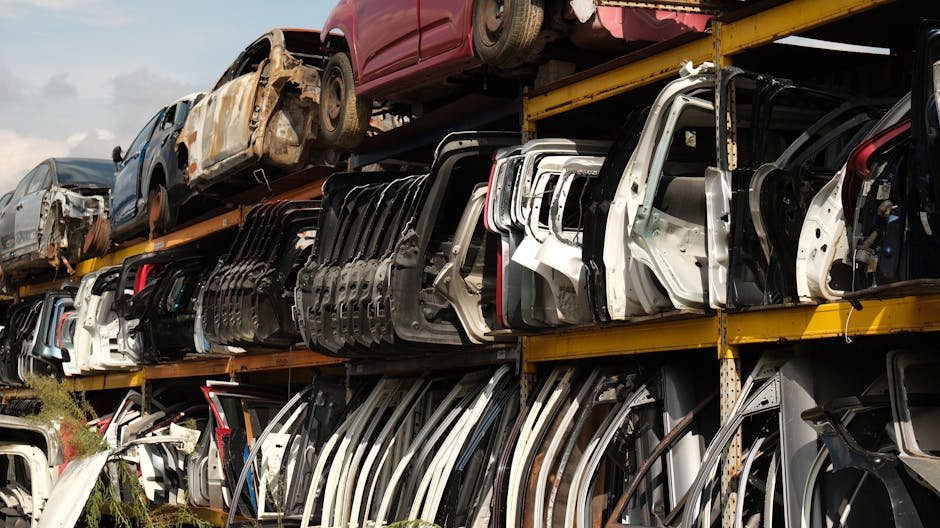
Once a vehicle arrives at a facility, the depollution phase begins. This is critical for environmental protection. Technicians drain all fluids—including engine oil, transmission fluid, brake fluid, and coolant—to prevent soil and water contamination. These fluids are then processed for recycling or safe disposal. After depollution, the vehicle is stripped of high-value auto parts. Catalytic converters, alternators, and starter motors are removed and tested. If they are functional, they are cleaned and sold as recycled components, which is a key part of the sustainable automotive supply chain. For those looking to maximize their return, it is helpful to understand Why Scrap Sellers Are Moving Online to compare current market rates and find reputable buyers.
Understanding Metal Grades in Vehicle Recycling
Not all scrap metal is created equal. When you bring your scrap cars Denham Court to a recycler, the value is determined by the composition of the materials. Ferrous metals, which contain iron and are magnetic, make up the bulk of a vehicle’s weight, including the chassis, engine block, and body panels. These are generally sold in bulk to steel mills. Non-ferrous metals, such as aluminium, copper, and magnesium, are significantly more valuable due to their scarcity and the energy-intensive process required to mine them from raw ore.
Aluminium is increasingly common in modern vehicle manufacturing to reduce weight and improve fuel efficiency. You will find it in engine components, wheels, and radiator cores. Copper is found in the extensive wiring harnesses that snake through the vehicle. Because these materials are infinitely recyclable without losing their properties, the scrap metal industry acts as a massive urban mine. By choosing to sell scrap metal denham court, you are directly contributing to the supply of secondary raw materials, which reduces the need for destructive mining practices globally.
The Environmental Benefits of Professional Recycling
The environmental impact of recycling a car is profound. Every tonne of recycled steel saves over 1,100 kilograms of iron ore, 600 kilograms of coal, and 50 kilograms of limestone. Furthermore, recycling aluminium saves up to 95% of the energy required to produce primary aluminium from bauxite ore. When you recycle your vehicle, you are actively lowering the carbon footprint of the automotive manufacturing sector.
Beyond energy savings, professional vehicle recycling prevents toxic substances from leaching into the local Denham Court ecosystem. Lead, mercury, and cadmium, if left in a car abandoned in a field, can contaminate groundwater and soil for decades. By utilizing professional scrap metal services, you ensure that these hazardous materials are neutralized or repurposed according to strict environmental standards. This is a primary reason why the industry is shifting toward digital platforms, as explained in our article on Why Scrap Trade Online Is Growing.
How Car Wreckers Add Value to the Economy
Car wreckers are the unsung heroes of the automotive industry. They provide a vital service by bridging the gap between vehicle owners and the raw material supply chain. By maintaining an inventory of salvaged auto parts, they provide an affordable alternative for drivers who need to repair their vehicles without paying the premium prices of new OEM (Original Equipment Manufacturer) components. This keeps older vehicles on the road longer, which is an excellent form of resource conservation.
The role of the wrecker has evolved from simply crushing cars to becoming a logistics and processing hub. They use advanced software to track parts, manage inventory, and optimize the flow of scrap metal to smelters. If you are in the region, you might also be interested in services for scrap cars leumeah, as the network of wreckers in the Macarthur region is well-connected and highly efficient. By consolidating these services, the industry ensures that even the smallest scrap items are captured and recycled.
The Digital Shift: Selling Scrap Online
The traditional method of calling multiple wreckers to get a quote is rapidly being replaced by digital platforms. Today, sellers can upload photos and details of their vehicles to receive competitive offers instantly. This transparency has empowered consumers and increased the efficiency of the entire scrap metal market. When you search for the best way to dispose of scrap cars Denham Court, you will find that digital platforms offer a clearer view of the market value based on current commodity prices.
These platforms also provide educational resources, helping sellers understand the documentation required for legal vehicle disposal. Whether it is verifying ownership or ensuring that the registration is correctly cancelled with the local transport authority, digital tools simplify the administrative burden. You can find more information on how to optimize your scrap metal sales by visiting our main portal for industry news and trading tips.
Best Practices for Preparing Your Vehicle for Sale
To get the best value, preparation is key. While professional wreckers will take a car in any condition, removing personal items is the first step. Check the glove box, the trunk, and under the seats. Many people forget important documents or personal technology. Secondly, if the vehicle is still registered, ensure you have your identification and proof of ownership ready. This speeds up the transaction process significantly.
If you have a vehicle that is partially dismantled, be aware that some buyers may offer less if they have to spend more time sorting through mixed materials. However, if you have separated high-value items like copper wiring or aluminium rims, you may be able to negotiate a better price. Always communicate clearly with the buyer about the condition of the engine and transmission, as these are the most valuable components for parts reuse.
Future Trends in Vehicle Recycling
The rise of electric vehicles (EVs) is changing the scrap industry. EVs contain large lithium-ion batteries that require specialized handling and recycling processes. As these vehicles reach their end-of-life, the scrap metal industry is investing in new technology to safely extract and recycle rare earth metals like lithium, cobalt, and nickel. This will be the next frontier for car wreckers, turning the challenge of battery waste into an opportunity for sustainable resource recovery.
Furthermore, the push for a “circular economy” means that manufacturers are designing cars with disassembly in mind. This “design for recycling” approach will make it easier for wreckers to separate materials, further increasing the efficiency of the recycling process. As we move forward, the integration of AI and robotics in dismantling facilities will likely lead to even higher recovery rates for metals and polymers, cementing the role of the scrap industry in a greener future.
Conclusion: Making the Right Choice
Disposing of a vehicle is a significant decision, but it doesn’t have to be a complicated one. By choosing to recycle your vehicle through a professional service, you are making a positive impact on the environment and supporting a vital industry. Whether you are dealing with a rusted-out shell or a modern vehicle that has reached its limit, there is value to be recovered. Remember to research the market, prepare your vehicle, and choose a reputable partner to ensure a smooth and profitable transaction. By understanding the processes behind scrap metal recycling, you can take pride in knowing that your old vehicle is contributing to the production of new steel, aluminium, and other essential materials that keep our world moving.
Frequently Asked Questions
- Question: How is the value of my scrap car determined? Answer: The value is primarily based on the weight of the vehicle and the current market prices for ferrous and non-ferrous metals. Factors such as the presence of high-value components like catalytic converters and the ease of transport also influence the final offer.
- Question: Do I need to remove the fuel and oil before selling my car? Answer: While it is helpful, most professional car wreckers have the equipment to drain fluids safely and legally. You do not need to do this yourself, but you should ensure the vehicle is accessible for collection.
- Question: What documents do I need to scrap my car? Answer: You typically need proof of ownership, such as the vehicle registration papers or a bill of sale, and your government-issued photo ID. This is to prevent the illegal trade of stolen vehicles.
- Question: Can I sell a car that is missing parts? Answer: Yes, you can still sell a car that is missing parts. The value will be adjusted based on the remaining metal and any salvageable components that are still attached to the chassis.
Frequently Asked Questions
How is the value of my scrap car determined?
The value is primarily based on the weight of the vehicle and the current market prices for ferrous and non-ferrous metals. Factors such as the presence of high-value components like catalytic converters and the ease of transport also influence the final offer.
Do I need to remove the fuel and oil before selling my car?
While it is helpful, most professional car wreckers have the equipment to drain fluids safely and legally. You do not need to do this yourself, but you should ensure the vehicle is accessible for collection.
What documents do I need to scrap my car?
You typically need proof of ownership, such as the vehicle registration papers or a bill of sale, and your government-issued photo ID. This is to prevent the illegal trade of stolen vehicles.
Can I sell a car that is missing parts?
Yes, you can still sell a car that is missing parts. The value will be adjusted based on the remaining metal and any salvageable components that are still attached to the chassis.