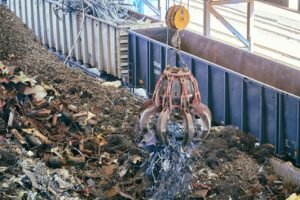
When you are looking to dispose of scrap cars Leumeah, you are participating in a sophisticated global supply chain that transforms end-of-life vehicles (ELVs) into raw materials for new manufacturing. Understanding the complexities of the industry is essential for both vehicle owners and those interested in the circular economy. For a broader understanding of the industry, you can read more about What Scrap Trade Actually Is.
Understanding the Lifecycle of Scrap Cars Leumeah
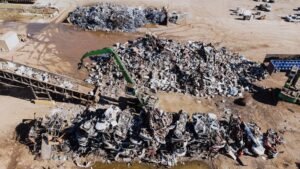
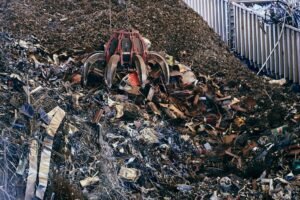
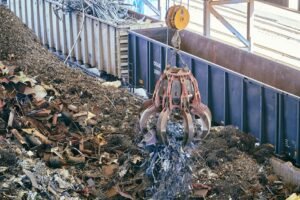
The journey of a vehicle does not end when it stops running. In the context of scrap cars Leumeah, the process is a highly regulated sequence of events designed to maximize recovery. An ELV is first assessed for its remaining value. Many people wonder What Is Scrap Trade, and the answer lies in the systematic extraction of value from items that have reached their functional limit. The vehicle is drained of all fluids—oil, coolant, brake fluid, and fuel—which are treated as hazardous waste. This is the first critical step in responsible vehicle recycling. Following this, high-value components such as catalytic converters, batteries, and alternators are removed. These parts are often refurbished or sent for specialized precious metal recovery. The remaining chassis is then crushed and sent to a shredder, where magnets and eddy current separators sort the ferrous and non-ferrous metals.
Grades of Scrap Metal in Vehicle Recycling
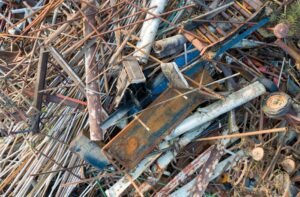
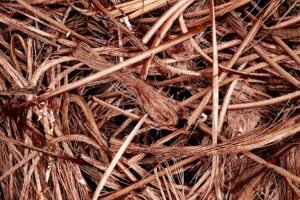
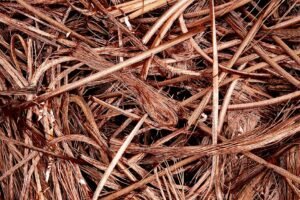
Not all metal recovered from a vehicle is the same. Professional car wreckers categorize materials to ensure they reach the correct smelting facilities. Ferrous metals, which contain iron, make up the bulk of the vehicle’s weight, including the engine block, frame, and body panels. Non-ferrous metals, such as aluminium, copper, and lead, are significantly more valuable. Aluminium is recovered from engine components and wheels, while copper is extracted from the extensive wiring looms that snake through the vehicle. Even the Plastic Scrap derived from dashboards and bumpers is increasingly being processed for recycling rather than landfill. By separating these grades, the industry ensures that the energy-intensive process of mining virgin ore is avoided, significantly reducing the carbon footprint of the automotive sector.
The Environmental Imperative of Vehicle Recycling
The environmental benefits of recycling scrap cars Leumeah are profound. When we recycle steel, we save approximately 75% of the energy required to produce steel from raw iron ore. Furthermore, the prevention of toxic fluids leaking into the soil is a primary goal of every reputable facility. Modern recycling standards in Australia require strict adherence to environmental protocols. By choosing a certified recycling partner, you ensure that ozone-depleting refrigerants from air conditioning systems are captured rather than released into the atmosphere. This commitment to the environment is why the industry is shifting toward a “zero-waste” model, where nearly 95% of a vehicle’s mass can be diverted from landfill. Whether you are in Leumeah or looking for scrap cars dapto, the principles of responsible recovery remain the same.
How Car Wreckers Operate in the Modern Era
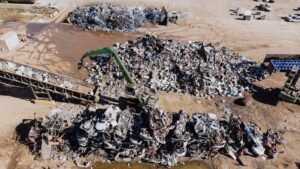
Modern car wreckers are far more than just scrap yards; they are sophisticated processing centers. They serve as a vital link in the supply chain, providing affordable auto parts to the public while ensuring that the scrap metal market remains supplied with high-quality recycled material. When a vehicle is assessed, the wreckers determine if the car has more value as a source of parts or as raw scrap. If the car is a popular model, the vehicle recycling process involves cataloging every usable component. This inventory management is what allows for the efficient distribution of parts across the country. For those located elsewhere in the Sydney region, similar services are available, such as those for scrap cars liverpool. The wreckers act as the gatekeepers of the circular economy, ensuring that nothing goes to waste that could otherwise be salvaged.
The Economic Value of End-of-Life Vehicles
The economic impact of the scrap metal industry is significant. By turning an ELV into a commodity, the recycling industry provides a constant stream of raw materials to the manufacturing sector. This reduces the need for expensive and environmentally damaging imports of raw metals. When you sell your vehicle to a recycler, you are not just getting rid of an eyesore; you are contributing to a massive industrial engine that fuels economic growth. The value of your vehicle depends on the current market rates for steel, aluminium, and copper, as well as the demand for specific auto parts. To stay updated on these trends, you can visit the Scrap Trade platform, which provides comprehensive data and resources for industry participants. Utilizing professional services through Scrap Trade Australia ensures you are dealing with reputable entities that provide fair market valuations based on current global scrap pricing.
Practical Tips for Preparing Your Vehicle for Scrap
If you are planning to scrap your car, a little preparation goes a long way. First, ensure that you have removed all personal belongings from the vehicle, including the glove box, trunk, and under the seats. Many people forget to check for documents or small valuables. Second, verify the ownership documentation. You will need to provide proof of ownership to the recycler to ensure the vehicle is legally processed. Third, do not worry about the condition of the car; recyclers accept vehicles in any state, from pristine condition to complete wrecks. However, if the car is still drivable, it may be easier to transport. If it is not, most reputable wreckers offer free towing as part of their service. By following these steps, you streamline the process and ensure that the transaction is as smooth as possible for both parties.
Future Trends in Vehicle Recycling
The future of vehicle recycling is being shaped by the rise of electric vehicles (EVs). As the number of EVs on the road increases, the recycling industry must adapt to handle high-voltage lithium-ion batteries. This requires specialized training and equipment, as these batteries contain rare earth elements that are critical for the production of new batteries. The industry is currently investing heavily in “battery second-life” programs, where batteries that are no longer suitable for vehicles are repurposed for grid energy storage. This evolution represents the next frontier in the circular economy, ensuring that even the most complex components of modern vehicles are managed sustainably. As we move toward a more electrified transport future, the role of recyclers in Leumeah and beyond will only become more vital in maintaining a sustainable supply chain for the materials of tomorrow.
Conclusion: Choosing the Right Path for Your Vehicle
Whether you are dealing with a rusted-out frame or a modern write-off, the decision to recycle your vehicle is a responsible one. By choosing to work with professional recyclers, you ensure that your vehicle is handled according to the highest environmental and safety standards. The scrap metal industry provides a necessary service that balances the needs of the consumer with the health of the planet. Remember that every part salvaged and every tonne of metal recycled is a step toward a more sustainable future. By understanding the grades of scrap, the importance of proper fluid disposal, and the role of wreckers, you are better equipped to make an informed decision. For more information on the industry, visit our comprehensive resources at our main site. The circular economy relies on the participation of everyone, and by recycling your vehicle, you are doing your part to keep the cycle turning.
Frequently Asked Questions
How do I know if my car is considered an end-of-life vehicle?
An end-of-life vehicle is typically defined as a car that is no longer roadworthy, is too expensive to repair, or has reached the end of its functional life. If the cost of repairs exceeds the market value of the vehicle, it is generally considered an ELV.
Are there environmental risks to leaving a scrap car on my property?
Yes, leaving a scrap car outdoors can lead to the leakage of hazardous fluids like oil, transmission fluid, and coolant into the soil and groundwater. These substances are toxic and can cause significant long-term environmental damage.
Do I get paid for my scrap car?
Yes, most professional recyclers will pay you for your scrap car based on the weight of the metal and the value of any salvageable parts. Prices fluctuate based on global market conditions for steel and other metals.
What happens to the tires on a scrap car?
Tires are removed during the recycling process and are typically sent to specialized facilities where they are shredded and repurposed. They can be used for road base, playground surfaces, or as a fuel source in industrial kilns.