
When you decide to dispose of scrap cars Liverpool, you are participating in a sophisticated industrial ecosystem designed to reclaim valuable resources. Understanding the lifecycle of your vehicle is the first step in ensuring it is handled responsibly and profitably. Whether you are dealing with a rusted-out shell or a vehicle that has simply reached the end of its road, the process of vehicle recycling is a critical component of Australia’s circular economy.
The Lifecycle of an End of Life Vehicle (ELV)
An End of Life Vehicle (ELV) is defined as a car that is no longer roadworthy, damaged beyond economical repair, or simply unwanted by its owner. In the context of the Australian automotive landscape, these vehicles are not merely trash; they are high-value repositories of steel, aluminum, copper, and plastics. When you search for scrap cars for cash liverpool, you are initiating a professional recovery process that begins with depollution.
Depollution is the most critical stage for environmental safety. Before any metal is shredded, technicians must remove hazardous materials. This includes engine oil, transmission fluid, brake fluid, coolant, and battery acid. If these substances were to leak into the Liverpool soil, they would cause irreparable damage to the local ecosystem. Once the vehicle is ‘dry,’ it is stripped of its high-value components and reusable auto parts, which are tested and sold to mechanics or DIY enthusiasts. This stage is the foundation of what we define as What Scrap Trade Actually Is.
Categorizing Scrap Metal Grades in Vehicles
Not all scrap is created equal. To maximize the value of your vehicle, it helps to understand how recyclers categorize the materials found within. The scrap trade relies on precise grading to ensure efficient smelting and manufacturing of new products. For those interested in What Is Scrap Trade, the grading system is the language of the industry.
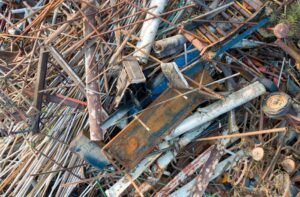
- Ferrous Metals: This includes the vehicle chassis, body panels, and engine blocks. These are primarily steel and iron, which are magnetic and constitute the bulk weight of the car.
- Non-Ferrous Metals: These are the ‘gold’ of the recycling world. Aluminum (found in rims, transmission housings, and cylinder heads), copper (found in the extensive wiring harnesses), and lead (from the battery) hold significantly higher market value per kilogram.
- Catalytic Converters: These contain precious metals like platinum, palladium, and rhodium. They are often processed separately due to their extreme value.
- Plastic and Rubber: While often overlooked, Plastic Scrap from bumpers and dashboards is increasingly being recycled into new automotive components or industrial materials, preventing landfill accumulation.
By understanding these grades, you can better appreciate why professional cash for scrap cars liverpool services provide quotes based on the specific composition of your vehicle rather than just its weight.
The Environmental Impact of Vehicle Recycling
The environmental case for recycling scrap cars Liverpool is overwhelming. Every tonne of steel recycled saves over 1,000 kilograms of iron ore, 600 kilograms of coal, and 50 kilograms of limestone. Furthermore, the energy required to produce new steel from recycled scrap is roughly 75% less than producing it from virgin raw materials.
Vehicle recycling also prevents the accumulation of hazardous waste. Modern cars are complex machines filled with synthetic materials and chemicals. When a car is abandoned in a field or sent to a general landfill, these materials slowly leach into the groundwater. Professional recyclers ensure these materials are contained, treated, and disposed of in accordance with strict Australian environmental regulations. By choosing a reputable recycler, you contribute to a cleaner, more sustainable future for Liverpool and the broader New South Wales region.
The Role of Professional Car Wreckers
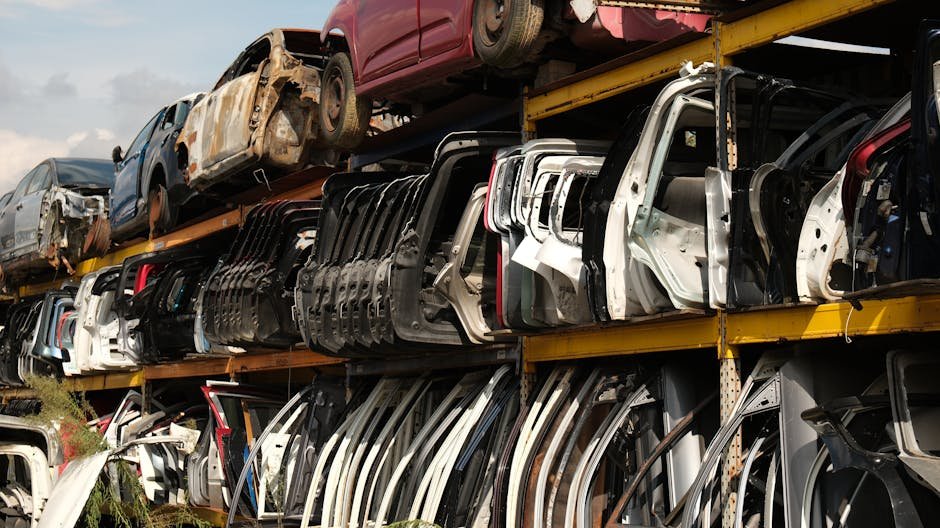
Car wreckers are the unsung heroes of the automotive industry. They act as the bridge between the consumer and the raw material market. A professional wrecker doesn’t just crush a car; they perform a surgical dismantling process. They identify which parts are still functional, such as alternators, starters, doors, and mirrors. These parts are then cleaned and cataloged for resale, providing an affordable alternative to expensive OEM (Original Equipment Manufacturer) parts.
This secondary market for auto parts is vital for the economy. It allows older vehicles to remain on the road longer, reducing the demand for new car production, which is a resource-intensive process. When you deal with a reputable company registered on the premier scrap metal platform, you are ensuring that your vehicle is being handled by professionals who prioritize the recovery of every possible gram of material.
Economic Benefits of Recycling
The scrap industry is a multi-billion dollar sector that provides thousands of jobs across Australia. From the logistics drivers who collect the vehicles to the technicians who strip them and the traders who manage the international export of processed metal, the industry is a massive economic engine. When you sell your scrap car, you aren’t just getting rid of a nuisance; you are fueling a supply chain that feeds steel mills and manufacturing plants globally.
The price you receive for your vehicle fluctuates based on global commodity markets. Factors such as the current price of steel in China, the strength of the Australian dollar, and global demand for aluminum all influence the payout. This is why it is essential to work with transparent traders who provide clear explanations of how they value your vehicle based on current market data.
Best Practices for Preparing Your Vehicle
If you want to ensure the smoothest transaction when selling your scrap car, follow these practical steps:
- Remove Personal Belongings: Check the glove box, boot, and under the seats. It is surprising how many valuables are left behind in vehicles destined for the crusher.
- Check Documentation: While the car is ‘scrap,’ you still need to provide proof of ownership. Have your registration papers or a copy of your driver’s license ready to confirm you are the legal owner.
- Disconnect the Battery: If you have the tools, disconnecting the battery can make the pickup process safer and faster for the towing crew.
- Clear the Access Path: If the car is parked in a garage or a tight driveway, ensure there is enough clearance for a tow truck to reach it.
- Remove License Plates: In many jurisdictions, you are required to remove your license plates and return them to the transport authority to cancel your registration.
The Future of Automotive Recycling
The future of the scrap industry is tied to the rise of Electric Vehicles (EVs). As the automotive fleet shifts from internal combustion engines to battery-electric powertrains, the recycling industry is evolving. Lithium-ion batteries present new challenges and opportunities. These batteries contain cobalt, nickel, and lithium—materials that are becoming increasingly scarce and valuable. The next generation of vehicle recycling will focus on ‘urban mining,’ where the primary goal is the safe and efficient extraction of these rare earth elements from spent EV batteries.
Furthermore, manufacturers are increasingly designing cars with ‘design for disassembly’ principles. This means cars are being built with modular components that can be easily snapped apart, making the recycling process faster and more efficient. As technology advances, we expect to see even higher recovery rates for materials that were previously considered ‘unrecyclable,’ such as complex composite plastics and specialized glass.
Conclusion: Choosing the Right Path
Whether you have a single car or a fleet of end-of-life vehicles, the path to responsible disposal is clear. By choosing to work with professional recyclers, you are supporting a circular economy that values resource efficiency, environmental stewardship, and economic growth. The scrap industry is not just about metal; it is about managing the lifecycle of the products that define our modern lives. When you are ready to move forward, ensure you choose a partner that values transparency, safety, and fair market pricing. Your contribution to the recycling loop makes a tangible difference in the sustainability of our community.
Frequently Asked Questions
How do I determine the value of my scrap car?
The value is determined by the vehicle’s weight, the current market price of steel and aluminum, and the presence of valuable components like catalytic converters or reusable auto parts. Reputable recyclers will provide a quote based on these specific factors.
Is it safe to leave fluids in the car before collection?
It is best to inform the recycler if the car is leaking fluids, but professional wreckers are equipped to handle this. They perform a ‘depollution’ process where all hazardous fluids are drained and disposed of safely before the metal is processed.
What documents do I need to sell my car for scrap?
You will generally need proof of ownership, such as your vehicle registration papers, and a valid form of identification. Some regions also require you to surrender your license plates to the local transport authority to officially cancel the registration.
Does the age or condition of the car matter?
No, the age and condition do not prevent a car from being recycled. Even if a vehicle is completely wrecked, rusted, or missing an engine, it still contains valuable scrap metal that can be recovered and repurposed.