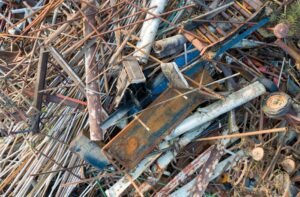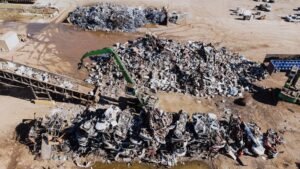

Navigating the landscape of scrap cars Macquarie Fields requires a deep understanding of how the automotive recycling industry functions in New South Wales. When a vehicle reaches the end of its life, it is not merely a piece of waste; it is a complex assembly of high-value commodities that, when handled correctly, contribute significantly to the circular economy. This guide provides the definitive resource for residents and businesses looking to maximize the value of their end-of-life vehicles while adhering to strict environmental standards. Whether you are dealing with a single write-off or managing a fleet, understanding the nuances of the scrap trade is essential for compliance and financial recovery.
The Lifecycle of Scrap Cars Macquarie Fields
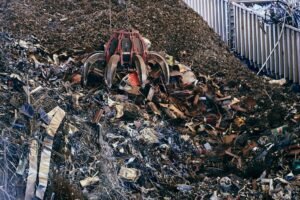
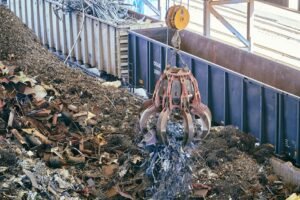
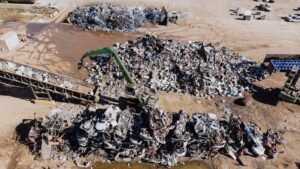
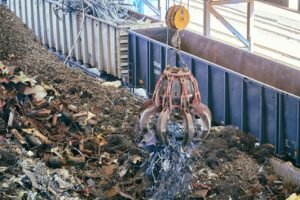
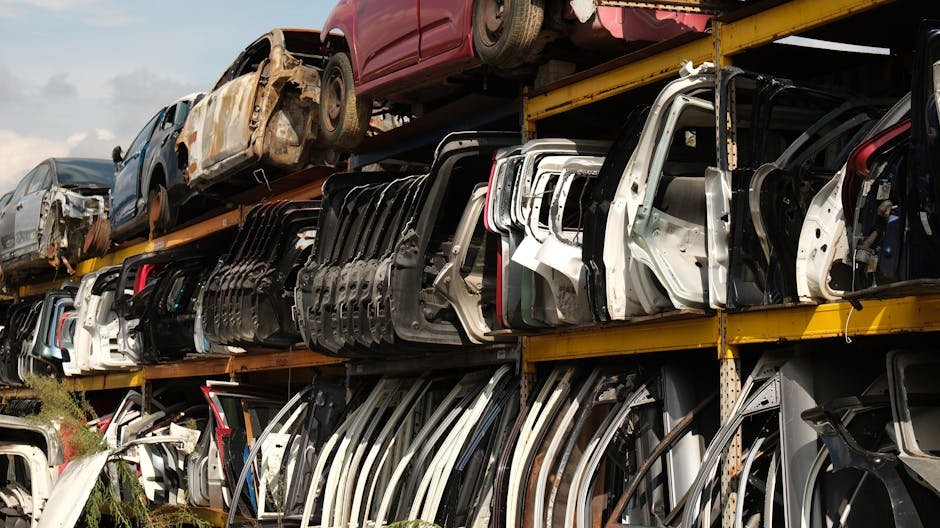
The process of recycling a vehicle is a highly sophisticated operation that goes far beyond simply crushing metal. When you engage with professional car wreckers, you are initiating a sequence of events designed to maximize resource recovery. First, the vehicle undergoes a rigorous depollution process. This involves the safe extraction of hazardous fluids, including engine oil, transmission fluid, brake fluid, coolant, and refrigerant gases. These substances are strictly regulated and must be disposed of or recycled by licensed facilities to prevent soil and water contamination in the Macquarie Fields area. Once the vehicle is rendered inert, the focus shifts to the removal of high-value auto parts. Components such as alternators, starter motors, catalytic converters, and even intact body panels are salvaged for the secondary parts market. This stage is critical because it extends the life of functional components, reducing the energy demand associated with manufacturing new parts from raw materials. After the salvageable parts are removed, the remaining shell is flattened and sent to a shredder. Modern shredders are capable of separating ferrous metals from non-ferrous metals and plastics using sophisticated magnetic and eddy-current separators. This ensures that almost every gram of metal is reclaimed. For those looking to understand the broader implications of this industry, The Complete Guide To Scrap Trade offers an excellent overview of market dynamics. Furthermore, if you are looking to maximize your returns, Cash for Scrap Cars Macquarie Fields: The Ultimate Recycling provides local insights into current pricing models.
Understanding Metal Grades in Vehicle Recycling
To truly master the scrap metal trade, one must distinguish between the various grades of metal found in vehicles. Ferrous metals, primarily steel and iron, make up the bulk of the vehicle’s weight. These are categorized based on their purity and thickness. High-quality steel from vehicle frames is highly sought after by steel mills to be melted down and repurposed for construction or new automotive manufacturing. Non-ferrous metals, however, are where the real value lies. Aluminum, found in engine blocks, transmission housings, and wheels, carries a significantly higher market price than steel. Copper, extracted from the extensive wiring looms throughout the car, is a premium commodity. Lead, primarily found in the battery, requires specialized handling to prevent environmental damage. When you trade your vehicle, understanding these grades helps you negotiate better rates. For those operating at a commercial level, utilizing a B2b Scrap Trading Platform can streamline the process of selling bulk quantities of these sorted metals to international buyers. It is also important to note that global demand fluctuates; thus, knowledge of How To Export Scrap Metal Internationally can be a game-changer for large-scale recyclers. By consistently sorting these materials, you ensure that the recycling facility can process the load efficiently, which often translates to higher payouts for the seller.
Environmental Benefits of Professional Vehicle Recycling
The environmental impact of abandoning or improperly disposing of scrap cars Macquarie Fields is profound. A single vehicle contains gallons of toxic fluids that, if allowed to leak into the ground, can contaminate local aquifers and damage the delicate ecosystems of the Campbelltown region. Professional recycling centers operate under strict EPA guidelines to ensure that these pollutants are captured and treated. Beyond pollution prevention, recycling steel is one of the most effective ways to reduce carbon emissions. Producing steel from recycled scrap metal requires approximately 75% less energy than producing it from virgin iron ore. This energy saving translates directly into a massive reduction in greenhouse gas emissions. Aluminum recycling is even more efficient, saving up to 95% of the energy required for primary production. By choosing to recycle your vehicle through authorized channels, you are actively participating in the reduction of mining activities, which are inherently destructive to the environment. Furthermore, the practice of vehicle recycling supports the Australian scrap industry by providing a steady stream of raw materials to local manufacturing, thereby reducing our reliance on imported resources. This is a critical component of Australia’s sustainability goals.
The Role of Car Wreckers and Professional Dismantlers
Car wreckers play a pivotal role in the automotive ecosystem. They act as the bridge between the end-of-life vehicle and the raw material supply chain. A professional wrecker in Macquarie Fields is more than just a scrap yard; they are a logistics hub. They possess the heavy machinery required to transport, lift, and process vehicles safely. When you choose a reputable wrecker, you are ensuring that the vehicle is processed in a facility that prioritizes safety and environmental compliance. These businesses often maintain extensive databases of auto parts, allowing them to serve the local community by providing affordable, high-quality used parts for repairs. This is an essential service for keeping older vehicles on the road, which in itself is a form of recycling. When evaluating a wrecker, look for certifications and a transparent pricing structure. A professional operator will be able to explain how they value your vehicle based on its weight, the presence of catalytic converters, and the current market price for scrap steel and aluminum. They will also handle the necessary paperwork for the deregistration of the vehicle, ensuring that you are no longer liable for the car once it has been handed over. This peace of mind is invaluable for individuals looking to dispose of a vehicle quickly and legally.
Global Trends in the Scrap Metal Industry
The scrap metal industry is increasingly globalized. Prices for scrap are dictated by international demand, particularly from manufacturing powerhouses in Asia and Europe. For those involved in the trade, keeping an eye on global indices is essential. The shift toward electric vehicles (EVs) is also changing the landscape of the scrap trade. EVs contain significant amounts of lithium-ion batteries and rare earth magnets, which require entirely different recycling processes compared to internal combustion engines. As more EVs reach the end of their lives, the industry is adapting to handle these complex energy storage systems. This technological evolution represents a significant opportunity for recyclers who invest in the right equipment and training. The ability to safely discharge, extract, and recycle EV batteries will be a key differentiator in the coming decade. Furthermore, the integration of digital platforms into the scrap trade is making the market more transparent. Real-time pricing, digital manifests, and automated logistics are becoming the standard. By leveraging these tools, businesses in the scrap industry can optimize their operations and provide better service to their clients. Whether you are a small-scale seller or a large commercial enterprise, the ability to access accurate data is the foundation of a successful scrap business. You can learn more about these global shifts by visiting Scrap Trade for the latest industry updates and market analysis.
Maximizing Your Return on Scrap Vehicles
If you have a vehicle that you are considering scrapping, there are several steps you can take to maximize your return. First, remove any personal belongings from the vehicle. While this seems obvious, many people leave items behind that could have been valuable or that complicate the recycling process. Second, check if there are any high-value parts that you can remove yourself if you have the mechanical knowledge, though most professional wreckers prefer to do this themselves to ensure safety. Third, ensure that you have the vehicle’s title and registration documents ready. Proving ownership is a legal requirement for any reputable recycler. Fourth, inquire about the current market price for different grades of metal. If you have a large quantity of vehicles, you may be able to negotiate a better rate based on volume. Finally, consider the logistics. Many wreckers offer free collection services, which can save you the cost of towing. By doing your research and choosing the right partner, you can turn an end-of-life vehicle into a significant financial asset. The scrap industry is a vital part of the global economy, and by participating in it responsibly, you are contributing to a more sustainable future. Always prioritize working with licensed facilities that adhere to the highest standards of environmental protection and worker safety. This not only protects the local environment in Macquarie Fields but also ensures that the industry as a whole maintains a positive reputation and continues to grow.
Frequently Asked Questions
What documents are required to scrap a car in Macquarie Fields?
You generally need to provide proof of ownership, such as the vehicle registration papers or a certificate of title. Additionally, a valid photo ID is required to verify your identity as the owner of the vehicle.
How is the value of a scrap car determined?
The value is primarily based on the current market price of the metals contained in the vehicle, such as steel, aluminum, and copper. Factors like the vehicle’s weight, the presence of a catalytic converter, and the ability to salvage reusable parts also influence the final offer.
Is it safe to leave fluids in the car before scrapping?
No, it is not recommended. Professional wreckers have specialized equipment to drain and store fluids safely, but removing hazardous materials beforehand can sometimes be part of the legal compliance process depending on the specific facility’s requirements.
Why is recycling scrap cars better than just dumping them?
Dumping cars leads to soil and water contamination from leaking fluids and heavy metals. Recycling recovers valuable materials, saves massive amounts of energy compared to raw mining, and prevents environmental degradation.