
Understanding the world of scrap metal is crucial for anyone involved in industry, construction, or simply looking to responsibly dispose of unwanted materials. This comprehensive guide from the experts at Scrap.Trade will delve into the essential grades of scrap, demystify the intricate recycling process, and highlight the profound environmental benefits of choosing to recycle. Platforms like scrap .com have revolutionized access to this market, making it easier than ever to connect with a reliable scrap trader and understand the value of your materials.
Introduction to the Scrap Metal Industry
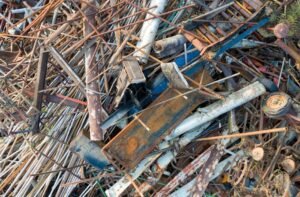
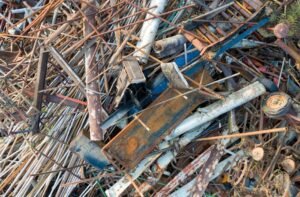
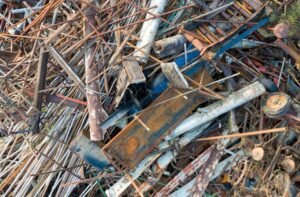
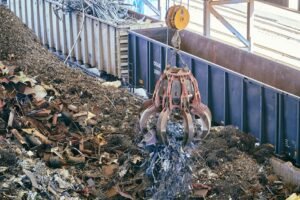
The scrap metal industry is a dynamic and vital global sector that forms the backbone of modern manufacturing and environmental sustainability. It is a circular economy in action, where end-of-life products and manufacturing waste are not seen as trash but as valuable raw materials waiting to be given a new life. This industry encompasses everything from individual collectors to large-scale scrap yards and sophisticated mills. At its core, What Is Scrap Trade is the system of buying, processing, and selling these metallic materials. Engaging with this market through a platform designed for Sell Scrap transactions ensures you get fair value while contributing to a greener planet.
Understanding the Different Grades of Scrap Metal
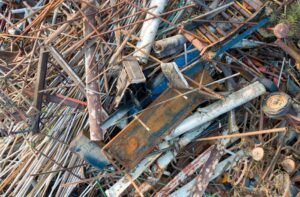
Not all scrap metal is created equal. Its value is directly tied to its type, purity, and composition. The ability to accurately identify and separate different grades is the first and most critical step in the recycling chain. Misidentification can lead to contaminated loads, which are often rejected or purchased at a much lower price. The two overarching categories are ferrous and non-ferrous metals.
Ferrous Metals
Ferrous metals are metals that contain iron. They are known for their strength and magnetic properties (a magnet will stick to them) but are susceptible to rust. Common examples include:
- Heavy Melting Steel (HMS): This is one of the most common grades. It is divided into HMS 1 and HMS 2. HMS 1 consists of larger, thicker pieces of steel (like beams and thick plates) and commands a higher price. HMS 2 includes thinner gauges of steel, such as car bodies and sheet metal.
- Cast Iron: Recognizable by its brittle nature and granular breakage, cast iron is often found in engine blocks, pipes, and old radiators.
- Shredded Scrap: This is the result of processing cars and other large objects through a giant shredder. It is a mixed, fist-sized product that is easily transported and melted.
- Turnings: These are the long, curly shavings produced by lathes and other machining equipment. They must be clean and free of oils and coolants to achieve the best grade.
Non-Ferrous Metals
Non-ferrous metals do not contain iron, are not magnetic, and are generally more resistant to corrosion. They are typically more valuable per kilogram than ferrous metals. Key grades include:
- Copper: The king of non-ferrous scrap. Grades include #1 Copper (clean, uncoated wire and pipe), #2 Copper (solder-coated or slightly oxidized), and Light Copper (thin gauge sheet and roofing).
- Aluminium:
Extremely common and highly recyclable. Grades range from clean extrusion offcuts and cast aluminium (from engines) to mixed low-grade aluminium like foil and painted siding.
- Stainless Steel: A special ferrous alloy that contains chromium, making it non-rusting. It is its own category due to its value. Common grades are 304 (non-magnetic) and 400 series (magnetic).
- Brass & Bronze: Copper alloys. Brass is yellow and contains zinc, while bronze is reddish and contains tin. Clean valves and fittings are high-grade.
- Lead, Zinc, and Nickel: Less common but still valuable, often found in batteries, roofing, and specialized alloys.
For a detailed breakdown of specific types and their current market value, exploring a dedicated resource for Scrap is highly recommended.
The Scrap Metal Recycling Process: From Waste to New Product
The journey of a piece of scrap metal from a discarded item to a brand-new product is a fascinating and highly efficient industrial process. It involves several meticulous stages to ensure the resulting metal is pure and ready for manufacturing.
1. Collection and Acquisition
The process begins with collection. Scrap is sourced from a vast network of suppliers, including manufacturing plants (which generate industrial scrap), demolition and construction sites, individual households, and automotive wreckers. Companies like Scrap Trade Australia have streamlined this process, providing bins, logistics, and convenient drop-off points to gather material efficiently.
2. Sorting and Classification
Once the scrap arrives at a recycling facility, the critical task of sorting begins. This is done both manually and with advanced technology. Workers separate metals by type (ferrous vs. non-ferrous using magnets) and then by grade. Modern facilities use sensors, spectrometers, and even advanced imaging systems to identify and sort different alloys with incredible accuracy. Proper sorting is paramount to achieving a high-quality end product.
3. Processing and Preparation
To make the scrap suitable for melting, it often needs to be processed into a more uniform size and density. This is achieved through:
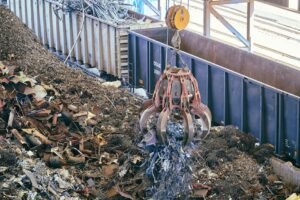
- Shearing: Hydraulic machinery that cuts thick, heavy pieces of metal into smaller chunks.
- Baling: Compressing light gauge metals (like car bodies or aluminium cans) into dense, rectangular bales for easy handling and transportation.
- Shredding: Using powerful hammer mills to tear apart items like cars and appliances, separating ferrous from non-ferrous materials in the process.
- Torching: Manually cutting oversized pieces with oxy-acetylene torches.
4. Melting and Purification
The processed scrap is then transported to a mill or foundry and charged into a massive furnace. Different metals are melted in different types of furnaces (e.g., electric arc furnaces for steel, reverberatory furnaces for aluminium). The metal is melted at extremely high temperatures. During this stage, impurities rise to the surface as slag and are skimmed off. Alloying elements can be added to achieve the exact chemical composition required for the new product.
5. Solidification and Manufacturing
The molten metal is poured out and solidified into forms called ingots, billets, or slabs. These intermediate products are then sold to manufacturers who will roll, extrude, or forge them into final products like new beams, car parts, aluminium cans, or copper wiring, thus completing the circular loop.
The Immense Environmental Benefits of Scrap Metal Recycling
Choosing to recycle scrap metal is one of the most impactful actions we can take for environmental conservation. The benefits are staggering and multi-faceted.
Conservation of Natural Resources
Metal ore is a finite resource. Recycling drastically reduces the need for virgin mining. For example, recycling one tonne of steel conserves 1,100 kilograms of iron ore, 630 kilograms of coal, and 55 kilograms of limestone. Recycling aluminium saves us from having to mine bauxite ore, a process that is incredibly destructive to landscapes and ecosystems.
Massive Energy Savings
Producing metal from recycled scrap requires significantly less energy than producing it from raw materials. This energy saving is perhaps the most compelling environmental argument for recycling.
- Aluminium: Recycling uses up to 95% less energy than primary production.
- Copper: Recycling uses up to 85% less energy.
- Steel: Recycling uses up to 75% less energy.
This massive reduction in energy demand directly translates to a reduction in greenhouse gas emissions and our reliance on fossil fuels.
Reduction in Landfill Waste
Metal is durable and does not decompose. Diverting scrap metal from landfills saves enormous amounts of space and prevents soil and water contamination from metals and other hazardous substances that can leach from discarded products (e.g., from old electronics or cars).
Lower Greenhouse Gas Emissions
The reduced energy requirement directly correlates to lower carbon dioxide (CO2) emissions. The steel industry, for instance, has stated that recycling saves over 80% in CO2 emissions compared to primary steelmaking. Furthermore, by avoiding mining operations, we also avoid the methane emissions and other pollutants associated with extracting and processing virgin ore.
Practical Tips for Preparing and Selling Your Scrap
To get the best possible price for your scrap and make the recycling process smoother, a little preparation goes a long way.
- Separate Everything: This is the golden rule. Keep different metals strictly separated. Don’t mix steel with aluminium, and keep different grades of copper apart. A load of mixed metals will be paid at the price of the lowest-value metal in the mix.
- Clean It: Remove any attached non-metallic materials like plastic, rubber, glass, or wood. Clean, bare metal is always worth more. For example, strip the plastic coating off copper wire to get the #1 copper price instead of the lower ‘insulated wire’ price.
- Know Your Grades: Familiarize yourself with the basic grades mentioned earlier. This knowledge will help you understand the quotes you receive and ensure you are being paid fairly.
- Shop Around: Prices can vary between different scrap yards and dealers. Get quotes from a few reputable scrap trader operations before you sell.
- Consider Volume: Prices are often better for larger quantities. If you can, store your scrap until you have a sizable load to take in.
- Use a Reputable Dealer: Always deal with a licensed and reputable scrap metal merchant. They will provide transparent pricing, accurate weighing, and ensure all transactions are legal and compliant with local regulations.
The Future of Scrap: Technology and Global Markets
The scrap industry is not static; it is continuously evolving with technology and global economic trends. Advanced sorting technologies using sensors and artificial intelligence are making separation more precise than ever, increasing the quality and value of recycled materials. The global demand for scrap, particularly from developing nations with growing manufacturing sectors, continues to drive the market. Furthermore, as governments and corporations worldwide set ambitious carbon reduction targets, the demand for low-carbon, recycled metal is skyrocketing. Electric arc furnace steelmaking, which relies heavily on scrap, is a key part of the steel industry’s decarbonization strategy. Platforms that function as a digital scrap .com hub are at the forefront of this modernization, bringing transparency, efficiency, and broader access to the global scrap trade.
Conclusion: Your Role in the Circular Economy
The journey of scrap metal from a discarded object to a valuable new product is a powerful example of the circular economy in practice. It is an industry built on sustainability, resource efficiency, and economic opportunity. By understanding the grades of scrap, you can unlock the true value of your materials. By appreciating the complex recycling process, you gain insight into a critical modern industry. And by recognizing the profound environmental benefits, from energy savings to emission reductions, you can see how your decision to recycle makes a tangible difference. Whether you are a large industrial generator of scrap or an individual with an old hot water tank, your actions contribute to a more sustainable future. We encourage you to use the resources available, including the insightful articles found at scrap.com, to become an informed participant in this vital market. Together, we can ensure that valuable metals are continuously recycled, preserving our planet’s resources for generations to come.
Frequently Asked Questions
What is the most valuable scrap metal?
Clean, unalloyed copper is typically the most valuable common scrap metal due to its high conductivity and widespread use in electrical applications. Precious metals like gold and silver found in electronics are even more valuable but are usually present in much smaller quantities and require specialized processing.
How is scrap metal prices determined?
Scrap metal prices are primarily determined by global commodity markets on exchanges like the LME (London Metal Exchange). Local factors also play a role, including the grade and purity of your metal, the quantity you are selling, regional demand from mills and foundries, and the overall costs of transportation and processing for the scrap yard.
Why is it important to separate different types of scrap metal?
Separating scrap metal is crucial for maximizing its value and ensuring efficient recycling. Mixed loads are considered contaminated and will be paid at the rate of the lowest-value metal in the mix. Proper separation allows recyclers to produce high-quality, pure batches of molten metal that manufacturers can use directly, which saves time, energy, and resources.
Can all metals be recycled infinitely?
Yes, most metals, including steel, aluminium, copper, and brass, can be recycled infinitely without any loss of their inherent properties. The atomic structure of metal is not degraded through the melting process. This makes metal a permanent material, perfectly suited for a circular economy where it can be used over and over again.