
Scrap copper Melbourne plays a vital role in Australia’s recycling industry, offering both economic and environmental benefits. With Victoria (VIC) as a key hub for metal recycling, understanding the grades of scrap copper, how recycling works, and its environmental impact is essential for businesses and individuals in the region. This guide provides a comprehensive overview of scrap copper Melbourne, including market dynamics, sorting techniques, and the importance of sustainable practices.
Grades of Scrap Copper in Melbourne
Scrap copper is categorized into grades based on purity, form, and contamination. The most common grades available in scrap copper Melbourne include:
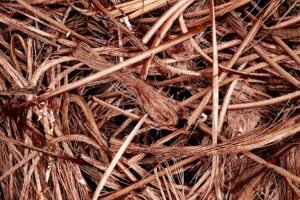
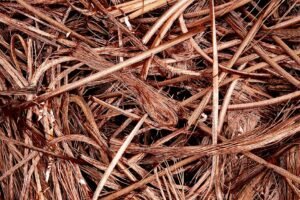
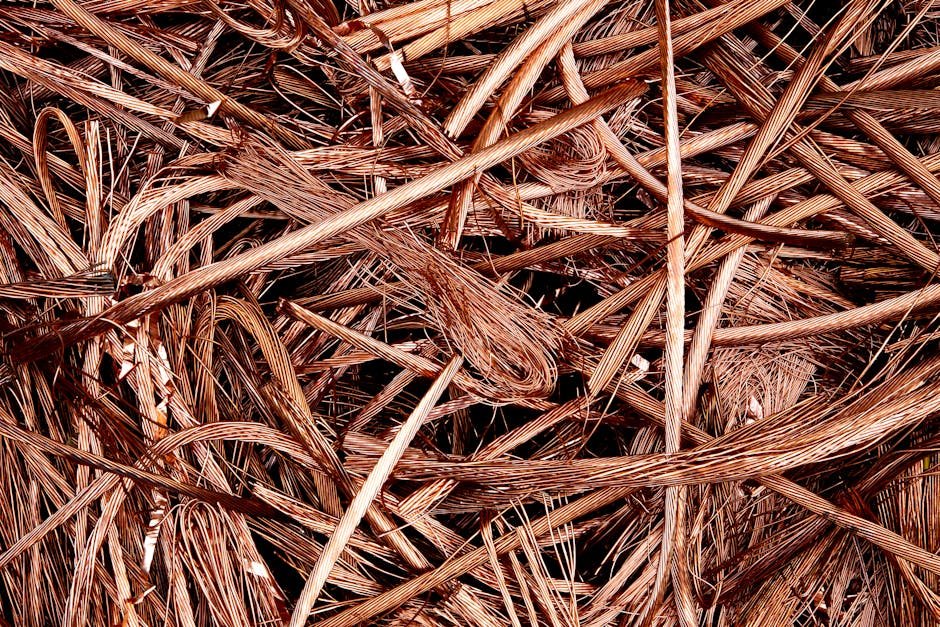
- Bare Bright Copper: High-purity copper wire or tubing with no insulation. Often sourced from electrical installations or industrial systems. It commands the highest price due to its minimal processing requirements.
- Number 2 Copper (COPPER 2): Insulated copper wire with intact sheathing. Commonly found in household wiring or low-voltage cables. Recyclers remove the insulation before melting, slightly reducing its value compared to bare bright copper.
- Heavy Wall Copper Pipe: Thick-walled copper plumbing pipes from demolition sites. These are sorted by diameter and wall thickness, with larger pipes fetching higher prices.
- Light Gauge Copper Wire: Thin wires from consumer electronics or automotive components. These require more labor-intensive sorting and cleaning.
Proper identification of grades is critical for maximizing returns. For example, Scrap Copper buyers in Melbourne often pay a premium for uncontaminated materials, making it essential to separate different grades before selling.
How Copper Recycling Works in Melbourne
Copper recycling involves multiple stages, from collection to refining. In scrap copper Melbourne, the process typically follows these steps:
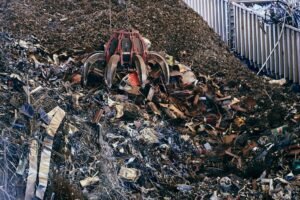
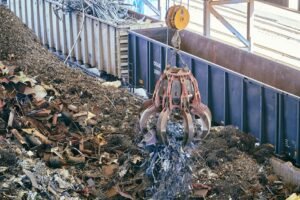
- Collection and Sorting: Scrap is gathered from demolition sites, manufacturing facilities, or residential properties. Workers use magnets, shredders, and manual sorting to separate copper from other metals and debris.
- Shredding and Cleaning: Contaminants like plastic insulation or mixed metals are removed. Shredding increases surface area for efficient melting.
- Smelting and Refining: Copper is melted in high-temperature furnaces to remove impurities. The resulting ingots are then refined using electrolysis to achieve 99.9% purity.
- Reprocessing into New Products: Recycled copper is used to manufacture wiring, plumbing, and industrial components. In Victoria, over 30% of new copper products incorporate recycled content.
Modern recycling facilities in Melbourne leverage advanced technologies like X-ray fluorescence (XRF) to analyze metal composition, ensuring accurate grading and reducing waste. For instance, Scrap Copper Prices Near Me tools help recyclers and sellers track market fluctuations and optimize their transactions.
Environmental Benefits of Scrap Copper Recycling
Recycling copper in Melbourne significantly reduces environmental impact compared to mining and refining raw ore. Key benefits include:
- Energy Savings: Recycling copper uses 85% less energy than producing new copper from ore. This cuts greenhouse gas emissions and conserves natural resources.
- Landfill Reduction: Discarded copper wiring and pipes would otherwise occupy landfill space for centuries. Recycling extends the lifespan of materials and reduces waste.
- Lower Mining Impact: Copper mining disrupts ecosystems and pollutes waterways with heavy metals. Recycling mitigates these effects by reducing demand for virgin ore.
In Victoria, the Copper Scrap Group promotes sustainable practices among recyclers, ensuring compliance with environmental regulations. For example, a 2022 study by the Australian Department of Sustainability found that recycling 1 ton of copper saves approximately 10,000 liters of water and 2.5 tons of CO2 emissions.
Market Trends for Scrap Copper in Melbourne (2024)
The scrap copper Melbourne market is influenced by global supply chains, infrastructure projects, and commodity prices. As of 2024, the melbourne copper scrap price per kg has seen volatility due to rising demand in the renewable energy sector. Key trends include:
- Higher Demand for Bare Bright Copper: Clean, high-grade copper is in demand for solar panel wiring and electric vehicle (EV) battery production.
- Impact of Global Prices: The copper price per kg is correlated with the London Metal Exchange (LME) benchmark. Local prices in VIC often mirror global trends with a 1-2 week delay.
- Local Government Incentives: Victoria offers tax breaks for recyclers who meet sustainability targets, encouraging more efficient processing of copper scrap melbourne.
Businesses can use platforms like https://scrap.trade to monitor scrap copper Melbourne prices in real time and negotiate better deals with buyers.
Practical Tips for Selling Scrap Copper in Melbourne
To maximize value when selling scrap copper Melbourne, consider these strategies:
- Sort Materials Thoroughly: Separate bare bright copper from lower-grade scrap. Even a small amount of contamination can reduce your payout.
- Use Reputable Buyers: Partner with certified recyclers to ensure fair pricing and ethical practices. Check reviews and certifications like ISO 14001.
- Track Prices: Use Scrap Copper Prices Near Me tools to time your sales during market peaks. Prices often fluctuate weekly.
- Prepare for Inspection: Remove non-metallic components like plastic or wood. Wet copper with water to prevent dust during transport.
For example, a contractor in Melbourne who sold 500kg of bare bright copper at $25/kg (based on the current copper price per kg) earned $12,500, whereas unsorted material might fetch only $15-$18/kg.
Environmental and Economic Synergy in Victoria
Melbourne’s recycling industry is a cornerstone of Victoria’s circular economy. By repurposing scrap copper Melbourne, the region reduces its reliance on imported metals while generating employment. According to the Victorian Government’s 2023 Sustainability Report, the recycling sector in VIC:
- Created 8,500 jobs in 2023.
- Processed over 450,000 tons of scrap copper annually.
- Generated $1.2 billion in revenue for local businesses.
Initiatives like the https://scraptrade.com.au platform connect recyclers with buyers, streamlining the supply chain and reducing transportation costs. This synergy benefits both the environment and the economy.
Future Outlook for Scrap Copper Recycling
The demand for scrap copper Melbourne is expected to grow as Australia transitions to renewable energy. By 2030, the International Energy Agency predicts a 40% increase in copper usage for wind turbines and solar farms. Recycling will play a pivotal role in meeting this demand sustainably. Innovations like AI-driven sorting systems are also improving efficiency in copper recovery.
Conclusion
Scrap copper Melbourne is a critical resource for both economic and environmental sustainability. By understanding grades, mastering the recycling process, and leveraging market insights, individuals and businesses can contribute to a greener future. Whether you’re a homeowner with old wiring or a commercial recycler, your efforts to recycle copper in Victoria help conserve natural resources and support local industries.
Frequently Asked Questions
What are the highest-paying grades of scrap copper in Melbourne?
Bare bright copper and heavy wall copper pipes typically fetch the highest prices in Melbourne due to their purity and minimal processing requirements.
How does recycling copper benefit the environment?
Recycling copper saves 85% of the energy required to produce new copper from ore, reduces mining-related pollution, and lowers greenhouse gas emissions.
Where can I find the latest scrap copper prices in Victoria?
Use the Scrap Copper Prices Near Me tool to track real-time market rates for copper scrap in Victoria.
What should I avoid when preparing copper scrap for sale?
Avoid mixing different grades, leaving insulation on wires, or including non-metallic materials like plastic or wood, as these reduce your payout.