
Understanding current scrap copper pipe prices is essential for plumbers, demolition contractors, and DIY renovators looking to maximize the value of their metal waste. As a highly conductive and infinitely recyclable material, copper remains one of the most sought-after commodities in the Australian scrap industry. Because the market is volatile, knowing how to identify your material and time your sales is the difference between a modest payout and a significant profit.
How Scrap Copper Pipe Prices Are Determined
The global market for base metals is complex, but for the average recycler, it boils down to a few key drivers. The primary benchmark for all scrap metal copper prices is the London Metal Exchange (LME). When the LME spot price for copper rises, local scrap yards adjust their buy rates accordingly. However, you will rarely receive the full LME “spot” price, as scrap yards must deduct costs for processing, logistics, and their own operating margins.
Local demand in Australia plays a massive role. If a major infrastructure project is underway, regional demand for processed copper increases, often driving up local premiums. To keep track of these shifts, it is wise to consult real-time metal trading data to ensure you are getting a fair deal. Furthermore, currency fluctuations—specifically the AUD/USD exchange rate—impact the cost of importing and exporting, which indirectly influences what you are paid at the scales. For localized data, you can always search for Scrap Copper Prices Near Me to see what yards in your immediate vicinity are currently offering.
Understanding Copper Grades and Quality
Not all copper is created equal. To get the best scrap copper pipe prices, you must understand how recyclers categorize their intake. The classification of your scrap determines the price per kg you will receive.
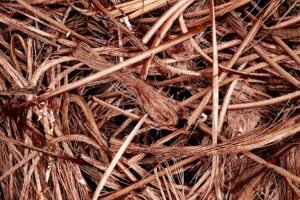
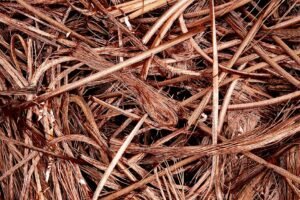
- Bare Bright Copper: This is the gold standard. It consists of clean, unalloyed, uncoated, and uninsulated copper wire or pipe. It must be free of paint, solder, or oxidation.
- Number 1 Copper: This includes clean copper pipe or heavy-gauge wire that is free of fittings, insulation, and excessive oxidation. It is slightly less valuable than bare bright but still commands a premium.
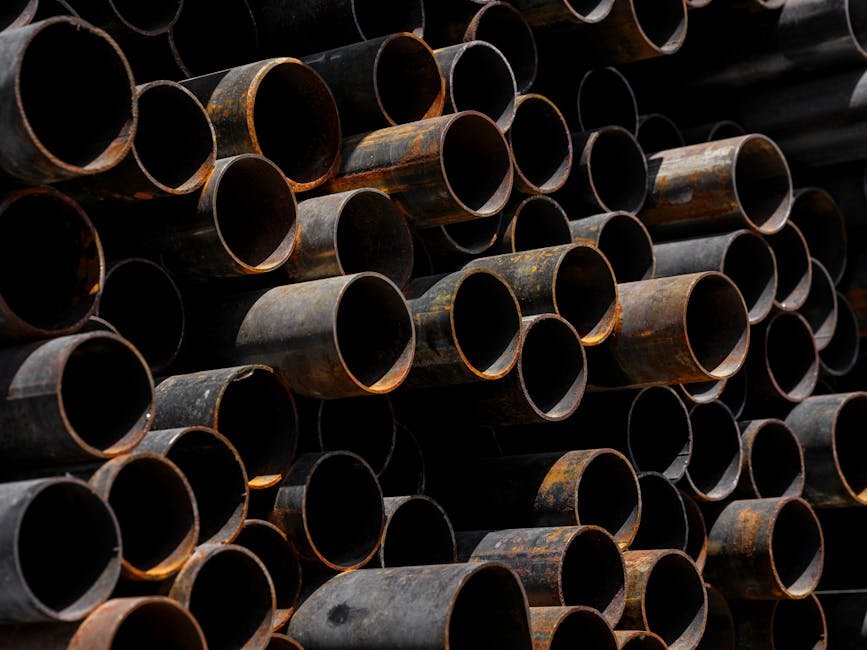
- Number 2 Copper: This is the most common grade for plumbing scrap. It includes copper pipe that has solder joints, paint, or minor amounts of oxidation. Because the recycler must spend time cleaning or refining this material, the price per kg is lower.
- Copper Alloys (Brass/Bronze): While not pure copper, these are often found in plumbing fittings. They are priced differently than pure copper pipes.
If you are unsure about your specific material, joining a Copper Scrap Group can provide you with a community of experts who can help identify your scrap grades through photos and shared experiences.
Factors That Affect Your Payout
Beyond the global market, several physical factors dictate the final value of your scrap load. The most significant factor is contamination. When you bring in copper pipe, ensure that you have removed non-metallic attachments such as plastic fittings, steel valves, or excessive amounts of lead-based solder. If you are looking for the most up-to-date information on how these factors influence your return, check the Scrap Prices page for current industry trends.
Quantity also matters. Many scrap yards offer tiered pricing structures. If you have a large volume—such as a full skip bin from a commercial demolition—you can often negotiate a higher rate than someone bringing in a small bucket of offcuts. Always ensure your metal is sorted before arriving at the yard. Yard operators prioritize clean, sorted loads because it saves them labor costs, and they are usually willing to pass some of those savings back to the seller.
The Process of Copper Recycling
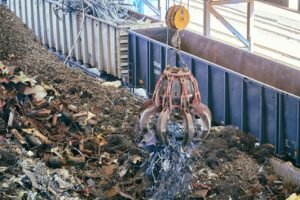
The journey from a discarded pipe to a new product is a marvel of industrial efficiency. Once you drop off your scrap, it is weighed and inspected. The yard then consolidates these materials into large batches. From there, the scrap is shredded or granulated to remove impurities like plastic insulation or protective coatings.
The copper is then melted down in a furnace. Because copper can be recycled infinitely without losing its chemical or physical properties, this secondary production process uses up to 85% less energy than mining and refining virgin copper ore. This is why the industry is so vital for the circular economy. For those interested in the logistical side of this industry, professional scrap metal services in Australia provide the necessary infrastructure to manage these large-scale recycling operations efficiently.
Environmental Benefits of Recycling Copper
Recycling copper is one of the most environmentally responsible actions a business or individual can take. Mining copper is an energy-intensive process that involves massive land disturbance, water consumption, and the generation of tailings that can be harmful to local ecosystems. By choosing to recycle, you are directly reducing the demand for new mining operations.
Furthermore, copper is a critical component in the transition to green energy. Electric vehicles, wind turbines, and solar panels all require massive amounts of copper. By ensuring your scrap copper pipe ends up in the recycling stream rather than a landfill, you are contributing to the supply chain of the very technologies needed to combat climate change. It is a win-win for both your wallet and the planet.
How to Find the Best Rates
Finding the best scrap copper pipe prices requires a bit of homework. Don’t just go to the first yard you see. Prices can vary significantly between suburbs and even between different companies in the same industrial park. Use online tools to compare rates, and don’t be afraid to call ahead.
When calling a yard, be specific. Instead of asking “what is your price for copper,” ask “what are you paying for Number 2 copper pipe per kg today?” This shows the yard operator that you are knowledgeable, which often encourages them to provide a more competitive quote. If you are in a major city, searching for copper scrap prices near me will often yield a list of yards with real-time updates. Keeping an eye on scrap metal copper prices via online dashboards is the best way to time your visit to the yard when the market is at a local high.
Tips for Maximizing Your Scrap Returns
To truly maximize your returns, you need to treat scrap collection like a business. First, segregate your materials at the source. If you are a plumber, keep a separate bin for clean copper pipes, another for brass fittings, and another for steel or aluminum. Mixing these materials will result in the entire load being graded at the lowest common denominator—usually the price of the cheapest metal in the bin.
Second, keep your copper dry and clean. While surface oxidation is unavoidable, heavy mud, dirt, or oil can lead to deductions at the scale. Third, keep records of your sales. By tracking your returns over time, you can identify which yards offer the best service and pricing, allowing you to build a long-term relationship with a buyer who values your consistent, high-quality material.
The Future of the Copper Market
The demand for copper is projected to skyrocket over the next decade as global electrification continues. This long-term trend suggests that copper will remain a high-value commodity. While short-term volatility is a certainty, the fundamental value of copper as an industrial backbone is secure. For those invested in the scrap industry, staying informed is key. Whether you are a small-scale recycler or a large contractor, understanding the mechanics of the market will ensure you are positioned to take advantage of price surges.
As we look toward a more sustainable future, the role of the scrap metal industry will only grow in importance. By participating in the recycling chain, you are helping to close the loop on resource extraction. Remember to stay updated with the latest metal prices today to ensure your business operations remain profitable and your recycling efforts are rewarded appropriately.
Conclusion
Navigating the world of scrap metal doesn’t have to be daunting. By understanding how scrap copper pipe prices are set, learning to grade your own materials, and building relationships with reputable scrap yards, you can turn your waste into a consistent revenue stream. Copper is a precious resource that deserves to be recycled, and by doing so, you are contributing to a more sustainable and efficient Australian economy. Always prioritize safety when handling scrap, keep your materials sorted, and stay informed through reliable industry platforms to ensure you are always getting the best possible price per kg for your hard work.
Related: Scrap Prices
Frequently Asked Questions
What is the difference between Number 1 and Number 2 copper?
Number 1 copper is clean, unalloyed, and free of solder or paint, making it more valuable. Number 2 copper typically contains solder joints, minor oxidation, or paint, which requires more processing by the recycler, resulting in a lower price.
Does the price of copper change every day?
Yes, scrap copper prices fluctuate daily based on global market activity, primarily the London Metal Exchange (LME). Local demand and the AUD/USD exchange rate also influence the final price you receive at the yard.
Should I clean my copper pipes before taking them to the yard?
Yes, removing non-metallic contaminants like plastic fittings, steel valves, or excessive insulation will significantly improve your grade. Higher grades command a higher price per kg, so cleaning your scrap is always worth the effort.
How can I find the best scrap metal prices in my area?
You can find the best prices by searching for local scrap yards online and comparing their current buy rates. It is also helpful to call ahead and ask specifically for their current price per kg for the grade of copper you are bringing in.