
Understanding scrap copper prices concord is essential for anyone looking to sell copper wire, copper pipe or any other copper scrap in the local market. This guide breaks down how prices are calculated, what grades matter, the recycling workflow, and the environmental and economic benefits of turning copper waste into valuable raw material.
1. Overview of the Copper Scrap Market in Concord
Concord, a suburb of Sydney, sits within a vibrant industrial corridor where construction, electrical work and plumbing generate a steady stream of copper scrap. Local recyclers compete for this material, and the price they offer reflects both global commodity trends and regional supply‑and‑demand dynamics. The Scrap Copper Prices Near Me page shows daily updates for the Concord area, helping sellers benchmark their expectations against the broader market.
Australia’s copper market is linked to the London Metal Exchange (LME) but also reacts to domestic factors such as the mining output from Queensland’s Mt. Isa and the demand from the nation’s renewable‑energy projects. Because copper is a base metal with high conductivity, its price is relatively volatile, moving up when construction booms and down when global trade slows.
2. How Scrap Copper Prices Are Determined
There are three primary mechanisms that set the scrap copper prices concord:
- Base commodity price: The LME copper price per tonne forms the foundation. Traders convert this to a per‑kilogram figure and then adjust for local logistics.
- Grade premiums or deductions: Higher purity copper—such as bare bright copper or number 2 copper—commands a premium, while contaminated or mixed alloys are discounted.
- Regional market factors: Transportation costs, local demand from manufacturers, and the volume of scrap supplied in Concord influence the final offer.
Recyclers typically publish a “copper price per kg” that reflects these adjustments. For instance, if the LME price is $9,300 per tonne ($9.30 per kg), a local recycler might offer $9.00 for clean bare bright copper, $8.70 for number 2 copper, and $7.80 for mixed copper wire. These numbers are updated daily on the Scrap Prices page.
3. Grades of Scrap Copper and Their Market Values
Not all copper scrap is created equal. The most common grades in Concord include:
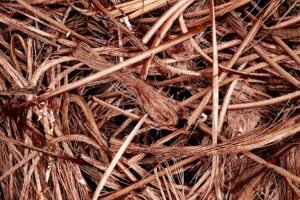
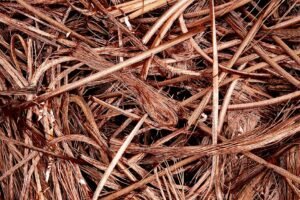
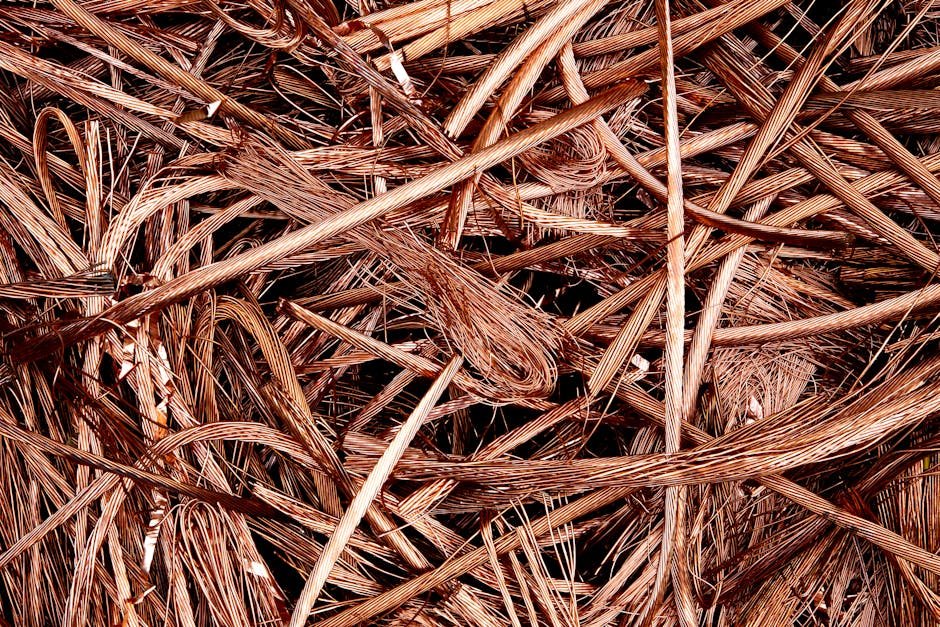
- Bare Bright Copper (BBC): Untarnished, free‑of‑coating copper, usually from new wire or pipe. It commands the highest price, often $0.30–$0.50 above the base rate.
- Number 2 Copper: Clean, stripped copper that may have minor oxidation. It is the second‑most valuable grade and typically trades within 5% of the BBC price.
- Copper Wire (stripped): Wire that has been stripped of insulation. The price depends on gauge; larger gauge wire retains more value.
- Copper Pipe: Usually sold after cleaning of solder and fittings. Pipe grade is slightly lower than stripped wire because of residual contaminants.
- Mixed Copper Scrap: A blend of different copper items, often with non‑copper metals attached. This grade receives the lowest per‑kg rate.
Each grade has a specific reference on the copper scrap metal prices page, allowing sellers to quickly assess the best price for their material.
4. Key Factors Influencing Current Scrap Prices
While the base commodity price is a major driver, several other variables can cause day‑to‑day fluctuations in scrap copper prices concord:
- Global economic health: Economic slowdowns reduce industrial demand for copper, pulling prices down.
- Exchange rates: The Australian dollar’s strength against the US dollar affects how much local buyers are willing to pay for a commodity priced in USD.
- Local construction activity: A surge in residential or commercial projects in Sydney increases demand for copper pipe and wire, raising local prices.
- Regulatory changes: New environmental regulations can raise processing costs, which may be passed on to sellers.
- Seasonal supply: End‑of‑financial‑year stock‑taking often floods the market with scrap, temporarily depressing prices.
Monitoring the scrap copper prices page gives you real‑time insight into how these factors are currently playing out in Concord.
5. The Copper Recycling Process Explained
Recycling copper is a multi‑stage operation that transforms low‑value waste into high‑purity metal ready for new production. The steps are:
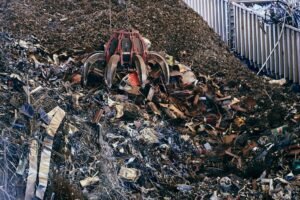
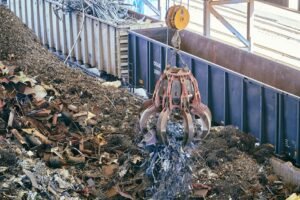
- Collection and sorting: Scrap dealers gather copper from households, contractors and demolition sites. Items are sorted by grade—bare bright, number 2, wire, pipe, etc.
- Shredding and size reduction: Larger pieces are shredded to improve handling and increase surface area for subsequent processing.
- Separation: Magnetic separators remove ferrous contaminants, while eddy‑current separators extract non‑ferrous metals like aluminum that may be mixed with copper.
- Melting: Clean copper is melted in a furnace at temperatures around 1,200 °C. The molten metal is poured into molds to form ingots.
- Refining: Electro‑refining removes residual impurities, achieving purity levels of 99.99 %—suitable for electrical applications.
- Transportation to manufacturers: The ingots are shipped to foundries or wire‑drawing plants, completing the circular loop.
The entire process consumes 85‑95 % less energy than extracting copper from ore, making it a cornerstone of sustainable manufacturing in Australia.
6. Environmental and Economic Benefits of Copper Recycling
Recycling copper delivers measurable advantages:
- Energy savings: Producing recycled copper uses roughly one‑quarter the energy of primary production, reducing greenhouse‑gas emissions.
- Landfill diversion: Each tonne of copper recycled prevents about 1.5 tonnes of waste from ending up in landfill.
- Job creation: The Australian recycling sector employs thousands of workers in collection, processing and logistics.
- Resource security: By keeping copper in the domestic loop, Australia lessens its reliance on imported ore.
For businesses in Concord, partnering with a certified recycler not only improves their sustainability profile but can also generate a revenue stream from what would otherwise be waste.
7. Practical Tips for Maximising Your Returns in Concord
If you have copper scrap, follow these steps to secure the best price:
- Identify the grade: Separate bare bright copper from insulated wire, and strip any remaining insulation where possible.
- Clean the material: Remove obvious contaminants such as bolts, screws, or plastic caps. Cleaner material fetches higher premiums.
- Weigh accurately: Use a calibrated scale. Most recyclers price per kilogram, so precise weight avoids disputes.
- Check daily rates: Visit the Scrap Copper Prices Near Me page each morning to gauge the market.
- Build relationships: Regular sellers often receive better terms or priority processing from local facilities.
- Use reputable processors: Choose a recycler listed under the Copper Scrap Group to ensure compliance with environmental standards.
By following these guidelines, you can turn copper wire, copper pipe and other scrap into a reliable income source while supporting the circular economy.
For a comprehensive view of all metal rates, explore the full Scrap Trade platform. If you prefer a dedicated Australian service, the Scrap Trade Australia site offers localized support, pickup options and transparent pricing.
Conclusion
Keeping abreast of scrap copper prices concord empowers sellers, contractors and hobbyists to make informed decisions that benefit both their bottom line and the environment. Prices are driven by global copper markets, local demand, and the specific grade of material you bring to the table. Understanding the recycling process—from collection to high‑purity ingot—highlights why copper is one of the most valuable and sustainable metals to recycle. Use the tips above, monitor daily updates, and partner with reputable recyclers to maximise returns while contributing to Australia’s green future.
Frequently Asked Questions
- What is the current copper price per kg in Concord? As of the latest market data, copper trades around $9.50 per kilogram for clean bare bright copper, with lower grades fetching between $7.80 and $8.70 per kilogram.
- How often do scrap copper prices change? Prices are typically updated daily to reflect fluctuations in the LME market, exchange rates and local supply conditions.
- Can I sell mixed copper wire without stripping it? Yes, but mixed or insulated wire receives a discount compared to stripped copper wire. Removing insulation before sale can increase your payout by up to 15 %.
- Is copper recycling profitable for small businesses? Absolutely. Even modest volumes generate revenue, and the process reduces waste disposal costs while supporting sustainability goals.
Frequently Asked Questions
What is the current copper price per kg in Concord?
As of the latest market data, copper trades around $9.50 per kilogram for clean bare bright copper, with lower grades fetching between $7.80 and $8.70 per kilogram.
How often do scrap copper prices change?
Prices are typically updated daily to reflect fluctuations in the LME market, exchange rates and local supply conditions.
Can I sell mixed copper wire without stripping it?
Yes, but mixed or insulated wire receives a discount compared to stripped copper wire. Removing insulation before sale can increase your payout by up to 15 %.
Is copper recycling profitable for small businesses?
Absolutely. Even modest volumes generate revenue, and the process reduces waste disposal costs while supporting sustainability goals.