
If you’re searching for scrap copper prices near me, you’re likely sitting on a valuable resource and want to understand its true market worth. Copper is one of the most sought-after and valuable non-ferrous metals in the recycling industry, prized for its excellent conductivity and infinite recyclability. This comprehensive guide will demystify everything you need to know, from how current scrap prices are calculated and the different grades of scrap copper, to the intricacies of the recycling process and the significant environmental benefits of choosing to recycle. Understanding these factors is the key to ensuring you get the best possible return for your materials and contribute to a more sustainable economy.
How Scrap Copper Prices Are Determined
Many people assume that local scrap yards arbitrarily set the copper price per kg they offer. In reality, the value of your scrap copper is intrinsically linked to the global commodities market. The primary benchmark for all metal prices today is the London Metal Exchange (LME). The daily LME price for copper acts as the foundational starting point for all local pricing. However, the figure you see quoted on the LME is not the price you will receive per kilogram. Your local scrap metal dealer will offer a price that is the LME value, minus various costs associated with processing your material and preparing it for foundries that will ultimately melt and reuse it.
These costs include transportation, labour for sorting and processing, overheads for running the yard, and a marginal profit. Furthermore, the international market is highly dynamic. Geopolitical events, global supply and demand fluctuations, currency exchange rates (particularly the AUD to USD, as metals are traded in US dollars), and broader economic health all cause the LME price to fluctuate daily. This is why checking a reliable source for scrap metal prices is crucial before you visit a yard.
Understanding the Different Grades of Scrap Copper
This is the single most important factor affecting what you will be paid. Not all copper is created equal in the eyes of a scrap yard. Contamination, alloys, and physical form drastically alter the value. Yards sort copper into strict categories, and misidentifying your scrap can lead to receiving a lower price. Familiarising yourself with these grades ensures you can accurately describe your material and get a fair quote. The common grading system includes the following categories, listed from highest to lowest value.
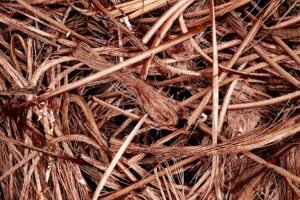
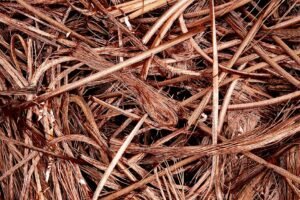
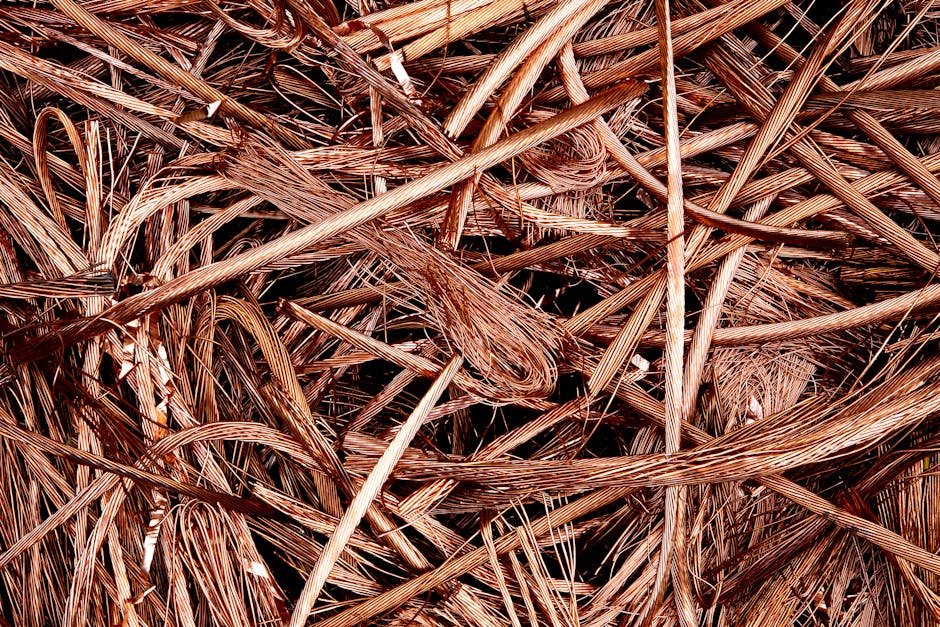
Bare Bright Copper: Often referred to as ‘#1 Copper’, this is the most valuable grade. It consists of clean, uncoated, unalloyed copper wire or cable that is at least 1/16th of an inch thick, with no paint, plating, corrosion, or solder. It must be free of any attachments and have a distinctive reddish-orange copper colour. Think of the thick copper grounding wire or the inner strands of heavy-duty power cables after the insulation is meticulously stripped away.
#1 Copper: This grade is also clean and unalloyed but may have a minor amount of oxidation or surface discolouration. It can include clean copper pipe from plumbing that has had all fittings, solder, and valves removed. The key difference from Bare Bright is its slightly less shiny appearance, but it should still be free of any enamel, paint, or other metals.
#2 Copper: This is a lower but still valuable grade. Number 2 copper typically includes unalloyed copper that has significant oxidation, solder, paint, coating, or light contamination. Examples are copper pipe with solder joints still attached, roofing copper with tar or paint, or copper with light plating. The presence of these foreign materials means it requires more processing at the mill, hence the lower price.
Copper Wire: This is a specific category for insulated copper wire and cable. Its value is lower than clean copper because the weight of the insulation is factored in, and the yard must invest energy and resources into stripping or granulating it to extract the pure metal. The price can vary further based on the thickness of the wire and the type of insulation (e.g., thin transformer wire vs. thick THHN building wire).
Key Factors That Affect Your Final Scrap Copper Price
Beyond the global market and the grade of your metal, several other variables can influence the final offer you receive for your scrap copper prices near me.
- Volume and Weight: Simply put, more is more. A scrap yard will almost always offer a better per-kilogram rate for a large, consistent load of a single grade of copper than for a small, mixed bag of scraps. Delivering a substantial quantity reduces their per-unit processing costs and is therefore more attractive.
- Preparation and Cleanliness: The work you put in at home directly translates to dollars at the yard. A load of meticulously sorted, cleaned, and stripped copper will command a significantly higher price than a tangled mess of mixed grades with attachments, insulation, and other contaminants. Taking the time to remove steel fittings from copper pipe or stripping insulation from copper wire to achieve a ‘Bare Bright’ classification is well worth the effort.
- Your Location and the Local Market: Scrap copper prices can vary from state to state and even between suburbs. A yard located far from a large port or processing facility may have higher transport costs, which can slightly depress their offered prices. Competition also plays a role; areas with multiple scrap yards may see more competitive pricing. For instance, if you’re in NSW, checking specific resources like scrap copper prices Fairfield can give you a hyper-localised benchmark.
- Current Economic Conditions: The health of industries that consume large amounts of copper—such as construction, electronics, and manufacturing—directly impacts demand. A booming construction sector will drive prices up, while an economic downturn can cause them to fall.
The Copper Recycling Process: From Scrap to New Product
Understanding what happens to your copper after you sell it can provide context for the prices offered and highlights the sophistication of the industry. Copper recycling is a highly efficient, multi-stage process.
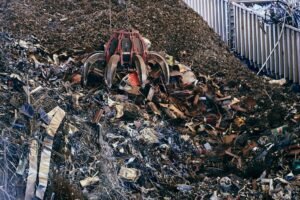
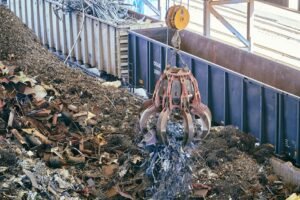
First, the material is collected and brought to a facility like ours at Scrap Trade, where it is weighed and graded. It is then prepared for shipping. This preparation can involve baling or compressing light-gauge materials into dense blocks for efficient transport. The sorted copper is then shipped to a specialist processor or a smelter. At the processing plant, any remaining contaminants are removed. Insulated wire might be fed into a granulator that shreds the material and uses air separation or water flotation to isolate the pure copper granules from the plastic insulation.
The cleaned copper is then melted in a large furnace. During melting, a flux material is often added to the molten metal to help impurities rise to the surface as slag, which is skimmed off. The purified molten copper is then cast into new shapes, most commonly as large ingots or cakes, or continuous cast into billets or rods. These new, pure copper forms are then sold to manufacturers who draw them into new copper wire, roll them into sheets, or extrude them into new copper pipe, ready to re-enter the manufacturing supply chain.
The Significant Environmental Benefits of Recycling Copper
Choosing to recycle your scrap copper is not just a financial decision; it’s a powerful environmental choice. The benefits are substantial and multifaceted. The most direct benefit is the massive energy saving. Mining new copper ore from the ground is an incredibly energy-intensive process, involving drilling, blasting, crushing, and transporting vast amounts of rock. Recycling copper uses up to 85-90% less energy than mining and processing virgin ore. This drastic reduction in energy consumption directly translates to a lower carbon footprint and fewer greenhouse gas emissions contributing to climate change.
Furthermore, recycling conserves natural resources. Copper is a finite resource, and mining operations create significant land disruption, habitat destruction, and can lead to soil and water contamination. By recycling the copper already in circulation, we reduce the need for new mines and extend the life of existing copper reserves. It also reduces landfill waste. Copper and other electronic components are a significant part of the waste stream. By diverting this material to recycling, we reduce the volume of waste going into landfills and prevent potential soil and groundwater leaching. Finally, recycling is a cornerstone of the circular economy, a model that aims to eliminate waste and continually use resources. Copper recycling is a perfect example of this system in action, keeping a valuable material in productive use indefinitely without loss of quality.
Practical Tips for Getting the Best Price for Your Scrap Copper
To maximise the return on your scrap copper, a little preparation and knowledge go a long way. Follow these expert tips. First, always sort your scrap meticulously. Keep different grades completely separate. Don’t let your valuable Bare Bright copper get mixed in with lower-grade #2 copper or brass, as the entire lot will likely be downgraded and paid at the lowest rate. Invest in a good pair of wire strippers for smaller gauge copper wire; the effort to strip insulation and achieve a higher grade will significantly increase your payout. For plumbing, take the time to cut off any steel fittings or solder from copper pipe.
Second, always call ahead or check online for scrap prices before you load up your vehicle. Scrap Metal Prices are volatile and can change daily. Knowing the scrap copper prices for that day allows you to have an informed conversation with the yard operator. Third, build a relationship with a reputable yard. Consistent, honest sellers are valued customers. Establish yourself with a trusted operator like Scrap Trade, who is transparent about their grading and pricing. Finally, consolidate your scrap. Instead of making multiple trips with small amounts, save up your copper until you have a sizable quantity. This not only saves you time and fuel but often makes you eligible for a better price per kilogram due to the larger volume.
Conclusion: Turning Unused Copper into Cash and Sustainability
Your search for scrap copper prices near me is the first step towards converting idle metal into both personal profit and positive environmental action. As we’ve detailed, the value of your copper is a complex interplay of global markets, meticulous grading, and local factors. By taking the time to understand the difference between Bare Bright and Number 2 copper, properly preparing your materials, and partnering with a knowledgeable and transparent scrap metal dealer, you ensure you receive the fairest possible market value for your items. More importantly, by engaging in copper recycling, you are actively participating in a sustainable circular economy, conserving precious natural resources, and significantly reducing the environmental impact associated with virgin metal production. It’s a win-win scenario where your effort is rewarded financially and ecologically.
Frequently Asked Questions (FAQs)
Related: Scrap Copper Prices Near Me
Related: scrap copper prices fairfield
Frequently Asked Questions
What is the current price for scrap copper per kg in Australia?
The current scrap copper price per kg changes daily based on the London Metal Exchange. As of publication, prices can range from $8-$12+ per kg for high-grade Bare Bright Copper to $5-$8 for lower grades. For the most accurate, real-time pricing, always check a live platform that provides current scrap prices for your local area.
What is the difference between Bare Bright and Number 2 copper?
Bare Bright copper is the highest grade, consisting of clean, uncoated, unalloyed copper wire or cable with a distinct reddish-metallic colour and no corrosion. Number 2 copper is a lower grade that includes unalloyed copper with significant oxidation, solder, paint, or light contamination, requiring more processing and thus commanding a lower price.
Do I need to remove insulation from copper wire before scrapping it?
Yes, it is highly recommended. While you can sell copper wire with insulation, you will be paid a significantly lower rate because the yard factors in the weight of the insulation and their cost to remove it. Stripping the insulation yourself to achieve a ‘Bare Bright’ classification will always yield a much higher return per kilogram.
How often do scrap copper prices change?
Scrap copper prices are highly volatile and can change daily, or even multiple times within a single day. They are directly tied to the fluctuating London Metal Exchange (LME) price, which is influenced by global supply and demand, currency exchange rates, geopolitical events, and broader economic indicators.