
Scrap copper pricing is a critical factor for buyers and sellers in Australia’s recycling industry. Market rates depend on the grade of copper—such as bare bright copper or number 2 copper—and global commodity trends. Understanding these nuances ensures informed transactions and maximizes returns. Whether you’re selling copper wire or copper pipe, familiarity with recycling processes and environmental benefits adds value to your operations.
Grades of Scrap Copper and Their Market Value
Scrap copper is categorized into grades based on purity and condition. The most common grades include:
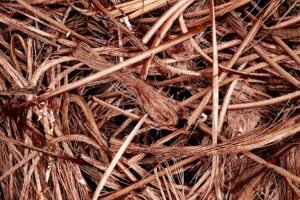
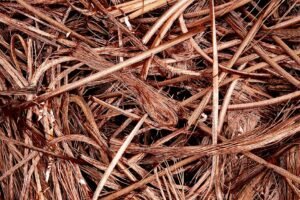
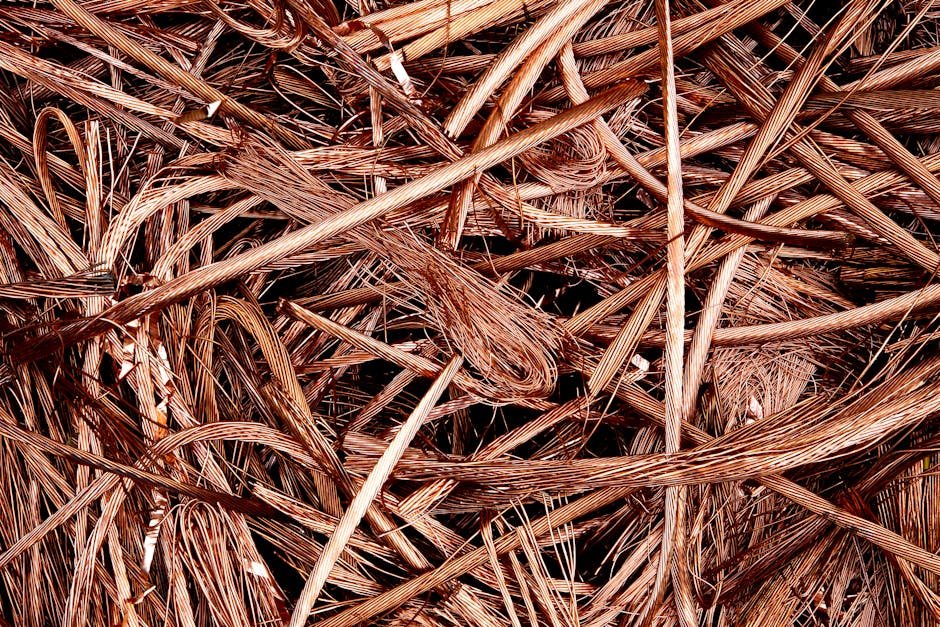
- Bare Bright Copper: High-purity copper with no insulation or contaminants, often derived from electrical wiring. This grade commands the highest price due to its recyclability.
- Number 2 Copper: Clean, but may have minor tarnishing or oxidation. Commonly sourced from copper wire stripped of insulation.
- Copper Wire: Includes both solid and stranded wires, with pricing influenced by whether insulation is removed (Scrap Copper).
- Copper Pipe: Used in plumbing systems; pricing varies based on diameter and whether it’s cleaned of debris.
Prices are often quoted per kilogram (scrap copper price per kg), with fluctuations tied to global demand and refining costs.
How Copper Recycling Works: From Collection to Refining
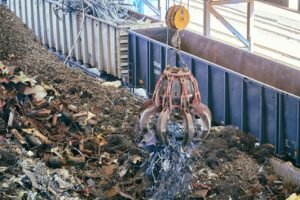
The recycling process begins with collection and sorting. Scrap is separated into grades, with contaminants like plastic or soil removed. For example, copper wire must be stripped of insulation to qualify as bare bright copper. After sorting, the material is shredded or melted in specialized facilities. The molten copper is then refined to produce copper ingots suitable for manufacturing. This process saves up to 85% of the energy required to mine and process raw copper ore.
Environmental Benefits of Copper Recycling
Recycling copper significantly reduces environmental impact. By reusing existing copper, the industry avoids the need for open-pit mining, which damages ecosystems and displaces communities. Additionally, copper recycling reduces carbon emissions by 76% compared to primary production. For businesses, adopting recycling practices aligns with ESG (Environmental, Social, and Governance) goals and supports Australia’s circular economy targets.
Factors Affecting Scrap Copper Pricing
Several variables influence scrap copper pricing:
- Global Market Trends: Prices correlate with demand from industries like construction and electronics.
- Grade and Purity: Bare bright copper fetches higher rates than tarnished or contaminated grades.
- Location: Urban areas with high recycling activity often see tighter price ranges than rural regions.
- Seasonality: Prices may dip during economic downturns when construction projects slow.
For accurate local pricing, use Scrap Copper Prices Near Me to compare rates across Australia.
Practical Tips for Maximizing Scrap Copper Value
To optimize returns:
- Sort materials into grades (e.g., separate number 2 copper from copper pipe).
- Remove contaminants like plastic or soil to qualify for higher-grade pricing.
- Track scrap copper price per kg trends and sell during peak demand.
- Partner with certified buyers, such as Scrap Trade, to ensure fair valuation.
For bulk sellers, joining groups like Copper Scrap Group can provide bargaining power and market insights.
Regional Variations in Copper Scrap Pricing
Australia’s diverse geography affects pricing. For instance, copper scrap Yagoona might reflect different rates than northern territories due to transportation costs and local supply. Urban centers with industrial hubs tend to offer higher prices for high-grade materials. Always verify rates with local buyers to account for these regional disparities.
Future of Copper Recycling and Market Outlook
With the global push toward renewable energy and electric vehicles, demand for copper is projected to grow by 30% by 2030. This surge will likely stabilize scrap copper pricing and incentivize recycling innovations. Australia’s role as a major copper producer positions it to benefit from these trends, making now an ideal time to invest in efficient recycling practices.
Choosing the Right Recycling Partner
Working with a reputable platform like ScrapTrade Australia ensures transparent pricing and compliance with environmental regulations. Verify certifications such as ISO 14001 (Environmental Management) when selecting a partner. Reputable buyers will provide clear documentation, including proof of recycling and carbon footprint reduction, to support your ESG initiatives.
Frequently Asked Questions
What is the most valuable grade of scrap copper?
Bare bright copper is the most valuable grade due to its high purity and lack of contaminants. It typically commands higher scrap copper pricing than grades like number 2 copper.
How do I check current scrap copper prices in my area?
Use Scrap Copper Prices Near Me to access real-time pricing data for your location. This tool aggregates rates from certified buyers across Australia.
What are the environmental benefits of recycling copper?
Recycling copper reduces carbon emissions by 76% compared to mining. It also conserves natural resources and minimizes the ecological damage caused by open-pit mining operations.
How can I maximize the value of my scrap copper?
Sort materials into grades (e.g., number 2 copper, copper wire), remove contaminants, and track scrap copper price per kg fluctuations. Selling during high-demand periods boosts returns.