
When it comes to professional scrap copper recycling Holroyd, understanding the nuances of the local market and material classification is essential for both commercial contractors and residential recyclers. Copper is one of the most valuable industrial metals in Australia, and its infinite recyclability makes it a cornerstone of the circular economy. Whether you are clearing out a renovation site or managing industrial waste, knowing how to categorize your scrap ensures you receive the best possible copper price per kg.
Understanding Copper Grades: From Bare Bright to Number 2
The value of your scrap is dictated entirely by its grade. In the industry, we categorize copper based on purity, level of oxidation, and the presence of contaminants like insulation, paint, or solder. For those engaged in scrap copper recycling Holroyd, identifying these differences is the first step toward maximizing your profit margins.
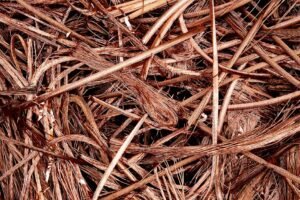
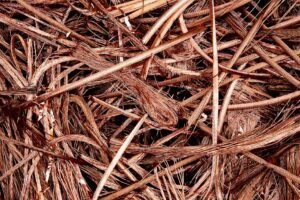
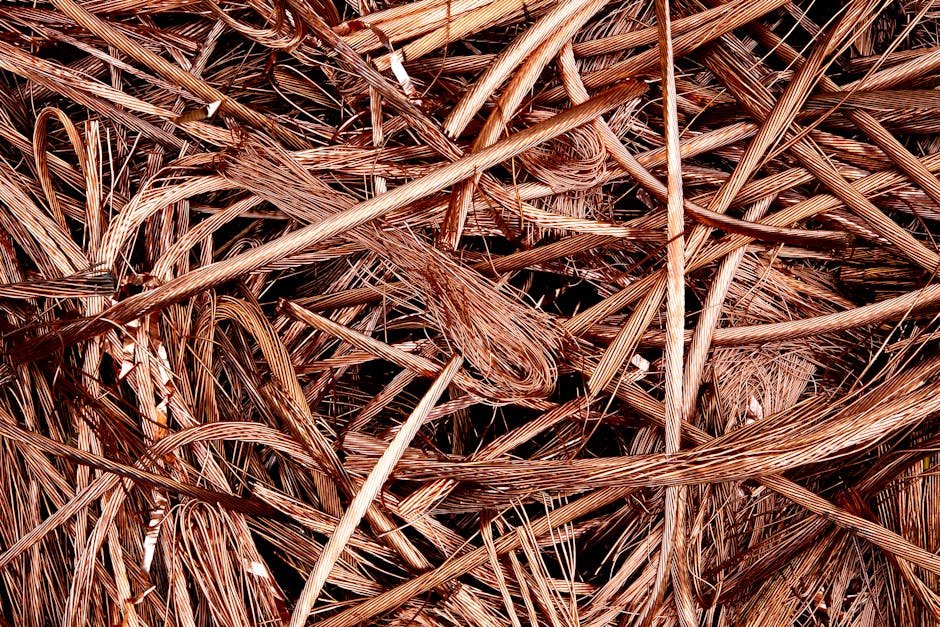
Bare Bright Copper: This is the gold standard of the industry. It consists of clean, unalloyed, uncoated, and uninsulated copper wire, typically 16 gauge or thicker. It must be free of any oxidation, meaning it should look shiny and new. Because it requires minimal processing at the refinery, it commands the highest market price.
Number 1 Copper: This grade includes clean, unalloyed copper pipe and wire that may have slight oxidation but is free of solder, paint, or other attachments. It is the most common high-value material found in plumbing renovations.
Number 2 Copper: This category encompasses copper that is slightly more contaminated. It may include wire with some insulation residue, pipe with solder joints, or material that has significant oxidation. While the price is lower than bare bright, it remains a highly sought-after commodity. Understanding the distinction between these grades is a critical skill when exploring the broader Copper Scrap Group dynamics.
For those looking to expand their knowledge beyond local operations, understanding the difference between Scrap Trading Vs Recycling Business models can help you decide whether you want to be a collector or a processor. If you are searching for a facility, many professionals use tools to find Scrap Metal Recycling Near Me to minimize transport costs.
The Mechanics of Copper Recycling
The recycling process is a sophisticated industrial operation designed to transform waste back into raw material. Once you deliver your scrap to a facility, the process begins with inspection and weighing. Experts use X-ray fluorescence (XRF) analyzers to determine the exact chemical composition of the metal, ensuring that the batch meets the purity standards required by smelters.
After inspection, the material is shredded. Shredding increases the surface area, which makes it easier to remove impurities. Magnetic separators are used to pull out ferrous metals (iron and steel), while air classifiers remove light materials like plastic insulation or dust. The remaining copper is then melted in furnaces to create standardized ingots or billets. These are then sold to manufacturers who produce everything from electrical cabling to plumbing components.
If you are located in other parts of Sydney, you might also be interested in our guides for scrap copper recycling panania or scrap copper recycling roselands. Regardless of your location, the fundamental principles of sorting remain the same. For a comprehensive overview of the national market, visit the Scrap Trade portal to stay updated on industry trends.
Environmental Benefits of Copper Recycling
Recycling copper is not just about the financial incentive; it is a vital environmental imperative. Copper is a finite resource, and mining it is an energy-intensive process that disrupts ecosystems and consumes vast amounts of water. By choosing scrap copper recycling Holroyd, you are actively reducing the demand for virgin copper extraction.
The energy savings are staggering. Producing copper from recycled scrap requires up to 85% less energy than producing it from raw ore. Furthermore, recycling significantly reduces greenhouse gas emissions and minimizes the volume of waste sent to landfills. When you recycle your copper wire and pipe, you are participating in a closed-loop system that preserves natural landscapes for future generations. For more information on how to optimize your recycling operations, check out the resources at Scrap Trade Australia.
Practical Tips for Maximizing Your Scrap Returns
Maximizing your return on investment requires preparation. Here are several expert tips to ensure you get the best value for your materials:
- Strip your wire: While it takes time, removing the plastic insulation from copper wire often moves it from a lower grade to bare bright, which pays significantly more.
- Separate your metals: Never mix copper with brass, aluminum, or steel. Contamination can downgrade your entire load to the lowest common denominator price.
- Clean your pipe: If you have copper pipe, remove any brass fittings or heavy solder. Pure pipe is worth more than pipe with attachments.
- Store properly: Keep your scrap dry and under cover. Oxidation (the green patina) can lower the grade of your copper.
- Monitor the market: Copper prices fluctuate daily based on the London Metal Exchange (LME). Timing your sales during a market peak can result in substantial gains.
- Build relationships: Consistent suppliers often get better rates. If you are a regular contractor, talk to your local yard about loyalty pricing.
The Role of Technology in Modern Recycling
The scrap industry has undergone a digital transformation. Modern facilities now utilize automated sorting technology, including sensor-based sorting systems that use infrared and color cameras to identify materials with incredible speed and accuracy. This technology ensures that even small batches of scrap are processed with high efficiency, reducing the risk of human error in grading.
Furthermore, digital platforms have made it easier than ever to track the copper price per kg in real-time. By utilizing these tools, recyclers can make data-driven decisions about when to sell their stock. This level of transparency has professionalized the scrap trade, making it a more reliable income stream for demolition companies, electricians, and plumbers alike.
Logistics and Safety in Scrap Handling
Safety is paramount when handling scrap metal. Copper pipe often has sharp, jagged edges that can cause severe injuries. Always wear heavy-duty gloves and protective eyewear when sorting or transporting your materials. If you are dealing with large volumes, ensure your vehicle is rated for the weight, as copper is incredibly dense.
Logistics also play a role in profitability. If you are transporting small amounts of scrap over long distances, the cost of fuel may eat into your profits. This is why finding a local partner for your recycling needs is so important. By centralizing your operations, you reduce your carbon footprint and increase your net profit.
Future Trends in the Copper Market
As the world transitions to renewable energy, the demand for copper is set to skyrocket. Electric vehicles (EVs) and renewable energy infrastructure like wind turbines and solar panels require significantly more copper than traditional combustion engines or fossil fuel power plants. This long-term increase in demand is expected to keep copper prices elevated, making the recycling industry more robust than ever before.
The shift toward a circular economy is also driving policy changes. Governments are increasingly incentivizing recycling through regulations that mandate higher recovery rates for industrial waste. For businesses in Holroyd, this means that professional waste management is no longer just an option—it is a strategic necessity that can provide a competitive edge.
Conclusion: Why Professional Recycling Matters
The importance of scrap copper recycling Holroyd cannot be overstated. By participating in this industry, you are not only securing a financial return on your waste materials but also contributing to a more sustainable global economy. Whether you are a professional tradesperson or a DIY enthusiast, the key to success lies in proper sorting, understanding the grades, and staying informed about market conditions.
As we look to the future, the integration of technology and sustainable practices will continue to define the scrap trade. By partnering with reputable recyclers and utilizing the resources available through platforms like Scrap Trade, you can ensure that your scrap copper is handled with the highest level of professionalism and environmental responsibility. Remember, every kilogram of copper you recycle is a step toward a cleaner, more efficient world.
Frequently Asked Questions
What is the difference between bare bright and number 2 copper?
Bare bright copper is clean, shiny, uninsulated wire with no oxidation or coatings, making it the highest-valued grade. Number 2 copper is typically contaminated with solder, paint, or significant oxidation, resulting in a lower market value.
How can I get the best price for my scrap copper?
To maximize your returns, strip all insulation from wires, remove non-copper attachments like brass fittings or solder, and keep your scrap clean and dry to prevent oxidation. Additionally, monitor the London Metal Exchange for daily price fluctuations.
Why is copper recycling important for the environment?
Recycling copper requires up to 85% less energy than mining and refining virgin ore. It reduces the need for destructive mining practices, lowers greenhouse gas emissions, and helps preserve natural resources by keeping metal in a circular supply chain.
Does the insulation on copper wire affect its value?
Yes, insulation significantly affects the value. Copper wire with insulation is usually classified as a lower grade than bare copper because the recycler must strip the plastic off. Removing the insulation yourself can often lead to a much higher payout per kilogram.