
When it comes to scrap copper recycling Homebush, both commercial contractors and residential renovators have a unique opportunity to contribute to a circular economy while securing significant financial returns. Copper is one of the most valuable non-ferrous metals in the global market, prized for its exceptional electrical conductivity and thermal efficiency. Whether you are clearing out a construction site or managing industrial electrical waste, understanding the nuances of scrap metal processing is vital to maximizing your profitability.
The Economics of Copper: Understanding Grades and Value
In the world of metal trading, not all copper is created equal. The value of your haul is determined by its purity, oxidation levels, and physical form. Professional recyclers categorize copper into specific grades to ensure efficient smelting processes. Understanding these grades is the first step in navigating the market effectively.
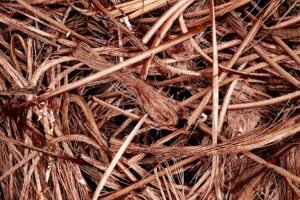
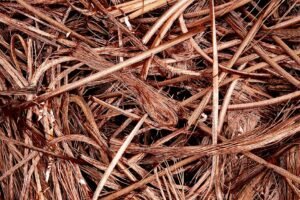
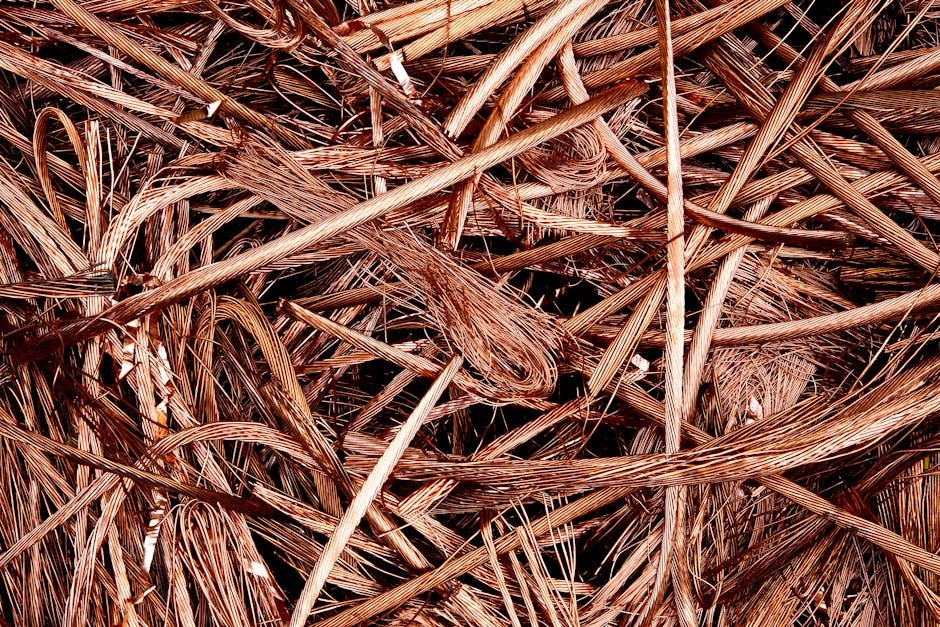
Bare Bright Copper: This is the gold standard of the industry. It consists of clean, unalloyed, uncoated copper wire, usually 16-gauge or thicker, that is free of insulation, paint, or oxidation. Because it requires minimal processing, it commands the highest price per kg.
Number 1 Copper: This grade includes clean copper pipe and tubing that is free of fittings, solder, or heavy corrosion. It must be free of any non-metallic attachments. While slightly less valuable than bare bright, it remains a high-demand commodity for recyclers.
Number 2 Copper: This grade covers material that has been compromised by minor impurities. This includes copper pipe with solder, burnt wire, or wire that has been stripped but still retains some oxidation or paint. While the price per kg is lower than Number 1, it is still a significant revenue stream for those involved in large-scale demolition.
For those looking to understand the broader industry dynamics, our Scrap Trading Vs Recycling Business guide provides an in-depth analysis of how these entities differ in the supply chain. If you are operating outside the immediate area, we also offer specialized services for scrap copper recycling cabramatta and scrap copper recycling chullora to ensure you are never far from a professional processing facility.
How the Recycling Process Works: From Collection to Commodity
The journey of a piece of scrap metal begins long before it reaches the refinery. The process is a sophisticated logistical operation designed to maintain material purity. Once copper is collected, it undergoes a rigorous inspection process. Recyclers use X-ray fluorescence (XRF) analyzers to determine the exact elemental composition of the scrap, ensuring that contaminants like lead or tin do not enter the smelting stream.
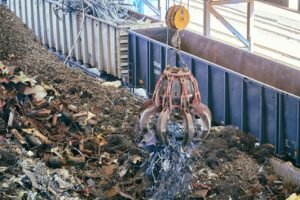
After sorting, the copper is often shredded or chopped. For insulated copper wire, specialized granulators are used to separate the plastic or rubber insulation from the metal core. This mechanical separation is far more environmentally friendly than the historical method of burning insulation, which releases toxic dioxins into the atmosphere. Once the copper is clean and sorted, it is baled or compacted into high-density bricks, which are then transported to smelting facilities. These facilities melt the scrap, purify it, and cast it into ingots or rod, ready to be drawn into new wire or pipe. By choosing a reputable scrap metal trading platform, you ensure your material enters this high-efficiency loop.
Environmental Benefits and the Circular Economy
The environmental case for scrap copper recycling Homebush is compelling. Mining for virgin copper is an energy-intensive and ecologically damaging process, often involving the removal of vast amounts of earth and the use of hazardous chemicals to leach the metal from ore. In contrast, recycling copper requires up to 85% less energy than producing it from virgin ore.
Furthermore, copper is a “permanent” material. It can be recycled infinitely without any loss of its physical or chemical properties. Every tonne of recycled copper saves approximately 3.5 tonnes of CO2 emissions and prevents the destruction of natural habitats associated with open-pit mining. As the world transitions toward renewable energy technologies—which rely heavily on copper for turbines, solar panels, and EV batteries—the demand for recycled material is only set to increase. By participating in this ecosystem, you are not just making money; you are supporting the global transition to a sustainable, low-carbon future. For those seeking local partners in this mission, searching for Copper Scrap Group facilities can help you find certified processors who adhere to the highest environmental standards.
Maximizing Your Returns: Practical Tips for Sellers
To get the best price per kg for your scrap, preparation is key. The most common mistake sellers make is failing to sort their material. If you mix high-grade bare bright copper with low-grade, contaminated scrap, a recycler will often have to grade the entire batch at the lower price. By keeping your grades separate, you ensure that you are paid the premium rate for your high-quality material.
Another tip is to remove attachments. If you have copper pipe, spend the time to cut off brass fittings or soldered joints. While brass is also a valuable metal, it is priced differently than pure copper. Keeping them separate allows you to sell both at their respective maximum market values. Additionally, check the current market trends. Copper prices fluctuate daily based on global demand, currency exchange rates, and mining output. Using a reliable Australian scrap metal trading directory can help you stay informed on when to sell your stockpiles for maximum profit.
The Local Impact: Why Homebush Matters
Homebush sits at the heart of Sydney’s industrial and commercial corridor. As development projects continue to reshape the landscape, the volume of copper generated from demolition and electrical upgrades is substantial. Providing accessible scrap copper recycling Homebush services is critical to preventing this valuable resource from ending up in landfills. Local recycling centers act as a vital link between the construction industry and the manufacturing sector, ensuring that the copper recovered from old office buildings and infrastructure projects is quickly returned to the supply chain.
If you are a contractor, establishing a relationship with a local recycler can streamline your waste management and improve your project’s bottom line. Many facilities offer bin services and scheduled pickups, turning a waste management headache into a revenue-generating asset. If you are searching for a facility in your immediate vicinity, you can easily find a Scrap Metal Recycling Near Me to minimize transport costs and carbon footprint.
Future Trends in Copper Recycling
The future of the industry is leaning heavily into automation and advanced sorting technologies. AI-driven optical sorters are now capable of identifying copper alloys with incredible precision, allowing for higher purity yields that were previously impossible to achieve manually. As these technologies become more affordable, we expect to see an increase in the efficiency of small-to-medium recycling operations. This will likely lead to more competitive pricing for sellers and a more robust supply of secondary copper for Australian manufacturers.
Additionally, the focus on “urban mining”—the practice of recovering valuable materials from electronic waste—is gaining momentum. As we continue to digitize our economy, the amount of copper hidden in discarded electronics is becoming a significant secondary source of the metal. Keeping an eye on these technological shifts will ensure that you remain ahead of the curve as a participant in the scrap metal market.
Conclusion: Taking Action Today
Whether you are a professional tradesperson or a homeowner cleaning out a garage, the decision to recycle your scrap copper is a smart one. It is a win-win scenario that rewards you financially while protecting the environment from the impacts of virgin mining. By understanding the grades, preparing your material correctly, and partnering with reputable local recyclers, you can turn your waste into a significant asset.
Remember that the market for copper is global, but the action happens locally. By engaging with professional networks, staying informed on pricing, and prioritizing the proper sorting of your materials, you contribute to a more efficient, sustainable, and profitable industry. Start today by assessing your current scrap inventory and reaching out to local experts to get the best possible return on your investment.
Frequently Asked Questions
What is the difference between bare bright and number 2 copper?
Bare bright copper is clean, unalloyed, and uncoated wire that is free of insulation or oxidation, fetching the highest price. Number 2 copper includes wire or pipe that has been burnt, painted, or contains solder, making it less pure and therefore lower in value.
How do I get the best copper price per kg?
To maximize your returns, always sort your copper by grade before taking it to the yard. Remove all non-metallic attachments like plastic insulation, brass fittings, and steel screws to ensure you are paid for the highest grade possible.
Why is scrap copper recycling important for the environment?
Recycling copper uses up to 85% less energy than mining and refining new copper ore. It also prevents habitat destruction and significantly reduces the carbon emissions associated with the extraction and processing of virgin metals.
Does the market price of copper change often?
Yes, copper prices fluctuate daily based on global supply and demand, industrial production rates, and currency values. It is recommended to check current market rates before selling large quantities of scrap.