
If you are looking for the most reliable methods for scrap copper recycling Homebush West, you have come to the right place. As the industrial landscape of Sydney continues to evolve, the demand for efficient metal recovery has never been higher. Whether you are a construction contractor, an electrician, or a homeowner clearing out a shed, understanding how to handle your copper waste can turn a disposal chore into a profitable venture. This comprehensive guide explores the intricacies of the scrap metal industry, helping you navigate the grades of copper, current market trends, and the logistical advantages of working with a professional Australian scrap metal recycling expert.
Understanding Copper Grades: What Are You Selling?
In the world of metal trading, not all copper is created equal. To get the best copper price per kg, you must understand how recyclers classify these materials. The grading system is primarily based on purity, the presence of insulation, and signs of oxidation or contamination.
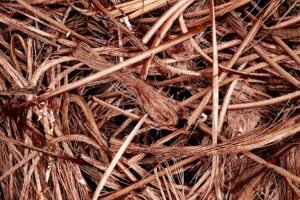
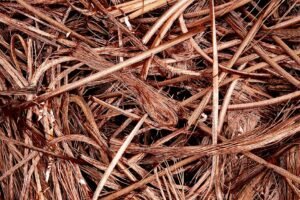
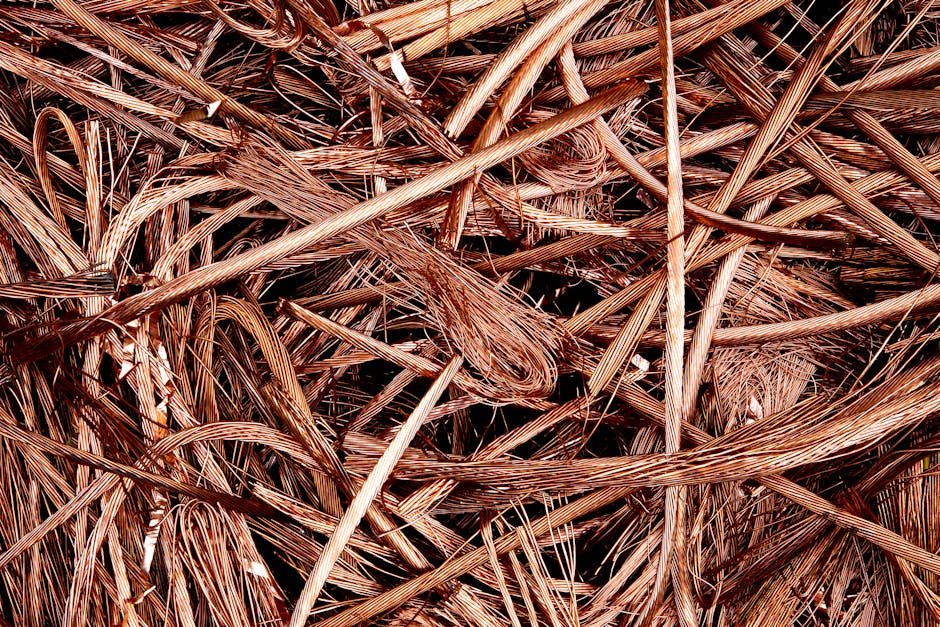
- Bare Bright Copper: This is the gold standard of the industry. It consists of clean, unalloyed, uncoated, and uninsulated copper wire, typically 16-gauge or thicker. It must be free of any paint, varnish, or oxidation. Because it requires minimal processing, it commands the highest price.
- Number 1 Copper: This grade includes clean, unalloyed copper wire and pipe that is free of solder, paint, or other impurities. It may have slight oxidation but must be free of any brass or steel attachments.
- Number 2 Copper: This is a lower grade that often includes copper with minor impurities, such as solder, paint, or light oxidation. It may also include copper wire that has been stripped but still retains some degree of contamination.
- Insulated Copper Wire: This is perhaps the most common form of scrap found in electrical work. It is categorized by the percentage of copper recovery—the amount of actual metal left after the plastic insulation is removed.
When you participate in scrap copper recycling Homebush West, separating your loads into these specific grades before arrival will significantly increase your payout. Mixing grades often results in the entire load being valued at the lowest common denominator, so taking the time to strip your wires or remove soldered fittings is a smart financial move.
How the Recycling Process Works
The journey from a discarded pipe to a new product is a fascinating cycle of industrial engineering. Once you drop off your materials or utilize a service like scrap copper pick up homebush west, the material undergoes a rigorous transformation. First, the scrap is weighed on certified scales. Transparency in weighing is the hallmark of a reputable trader, and you should always ensure your provider uses NMI-approved equipment.
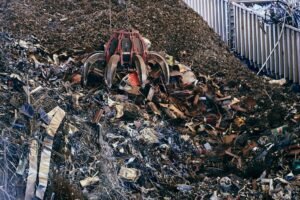
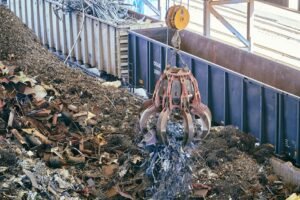
After weighing, the copper is sorted. High-grade materials are often baled and shipped directly to smelters. Lower-grade materials, such as insulated copper wire, go through a granulator. This machine shreds the material and uses air separation or water tables to separate the heavy copper granules from the light plastic insulation. This process allows for the recovery of even the smallest copper strands, ensuring that nothing goes to landfill.
For those interested in the broader industry, understanding the difference between Scrap Trading Vs Recycling Business models is crucial. While a recycler focuses on the physical transformation of materials, a trader often focuses on the logistics and market arbitrage of moving scrap globally. At Scrap Trade, we bridge this gap by providing both the physical infrastructure for recycling and the market intelligence for effective trading.
Environmental Benefits of Copper Recycling
The environmental case for copper recycling is overwhelming. Unlike many other materials that degrade in quality when recycled, copper is infinitely recyclable without losing any of its chemical or physical properties. When you engage in scrap copper recycling Homebush West, you are directly contributing to a circular economy that reduces the need for energy-intensive mining.
Mining for virgin copper requires massive amounts of energy and water, and it often results in habitat destruction and toxic tailings. By contrast, recycling copper uses up to 85% less energy than extracting it from ore. Furthermore, Australia’s domestic recycling efforts help reduce the carbon footprint associated with importing raw materials from overseas. By keeping metal in the local supply chain, we stabilize the price of copper and support local manufacturing.
Geographic Advantages and Local Logistics
Homebush West is strategically positioned for efficient scrap collection. Its proximity to major industrial corridors makes it an ideal hub for both small-scale and large-scale metal recovery. If you are located nearby, you might also be interested in our dedicated services for scrap copper recycling concord west, ensuring that the entire Inner West region is serviced by professional logistics.
For businesses generating high volumes of scrap, we recommend joining a Copper Scrap Group to stay updated on market fluctuations and collective bargaining opportunities. Whether you are a small trade business or a large demolition company, having a reliable local partner is essential. If you are searching for a facility, simply look for Scrap Metal Recycling Near Me to find the most convenient drop-off points that offer competitive pricing and immediate payment terms.
Maximizing Your Returns: Practical Tips
To ensure you walk away with the best possible copper price per kg, follow these expert tips:
- Keep it Clean: Remove steel screws, brass valves, or plastic connectors from your copper pipe. Any foreign material attached to the copper will downgrade its value.
- Sort by Type: Keep your insulated wire separate from your bare bright copper. Mixing them complicates the grading process at the yard.
- Watch the Market: Copper prices are tied to global commodity markets. If you have a large stockpile, it may pay to wait for a market peak before selling.
- Safety First: When stripping wires, use appropriate tools. Never burn insulation, as this releases toxic fumes and creates a hazardous residue on the copper, which will significantly lower its value.
- Documentation: For large commercial loads, keep records of your source. This helps with environmental compliance and can sometimes assist in getting better tax reporting for your business.
By treating your scrap as a valuable commodity rather than waste, you shift your perspective from disposal to asset management. This is the core philosophy that defines a successful recycling strategy.
The Future of Metal Trading in Sydney
As we look toward a more sustainable future, the role of professional recyclers in Sydney will only grow. Technological advancements in X-ray fluorescence (XRF) sorting are allowing yards to identify alloys with extreme precision, meaning that even complex scrap mixtures can be separated and recycled effectively. This technology ensures that we extract the maximum possible value from every kilogram of metal that enters our facility.
Furthermore, the integration of digital platforms into the scrap industry is making it easier for customers to check prices in real-time. Gone are the days of guessing what your scrap is worth. Today, transparency and data-driven pricing are the standards. Whether you are dealing with industrial-grade number 2 copper or high-end electrical cabling, the information is at your fingertips.
Conclusion: Partnering for a Greener Tomorrow
Recycling is more than just a way to make extra cash; it is a vital component of a sustainable industrial future. By choosing to prioritize scrap copper recycling Homebush West, you are supporting a local ecosystem that values resource efficiency and environmental stewardship. From the initial collection of your scrap to the final smelting process, every step is designed to maximize the life cycle of one of the world’s most important metals.
We encourage all our clients to stay informed, sort their materials correctly, and leverage the professional services available to them. Whether you are looking for a one-off pick-up or a long-term partnership for your business waste, the infrastructure is in place to make the process seamless and profitable. Remember, your scrap is a resource—don’t let it go to waste.
Frequently Asked Questions
Frequently Asked Questions
What is the difference between bare bright and number 2 copper?
Bare bright copper is clean, unalloyed wire that is free from insulation, paint, and oxidation, making it the highest-valued grade. Number 2 copper includes wire or pipe that may have minor impurities like solder, light paint, or oxidation, resulting in a lower market price.
Does the price of copper change daily?
Yes, copper prices fluctuate daily based on global commodity market trends and supply-demand dynamics. It is recommended to check current market rates before bringing in large quantities of scrap.
Can I bring insulated wire as is, or should I strip it?
You can bring insulated wire as is, but you will receive a higher price per kilogram if you strip the insulation yourself. The recycler will factor in the weight of the plastic insulation when calculating your payout.
How do I know if I am getting a fair price for my scrap?
A reputable scrap yard will use NMI-certified scales and provide transparent pricing based on the current daily market rate for specific grades. Always ask for a breakdown of your load by grade to ensure accuracy.